

 English
 China
China Thailand
 Malaysia
 Vietnam
 Laos
Laos Cambodia
 Pilipinas
 Indonesia
 Russian
 Portuguese
 Arabic
 Japanese
 Spanish
 Italian
 French
 German
News
- Home
- News
- Company News
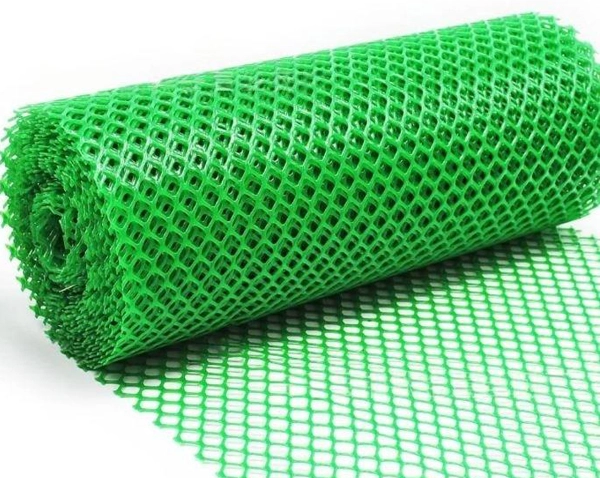
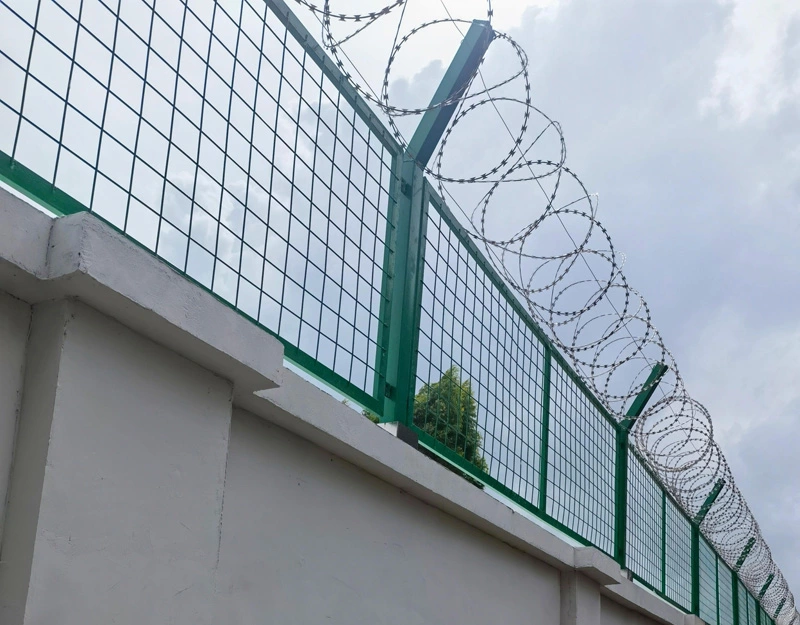
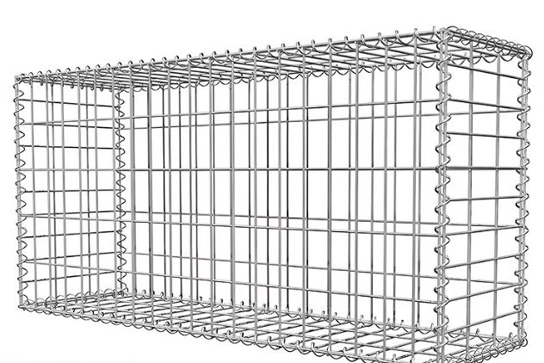
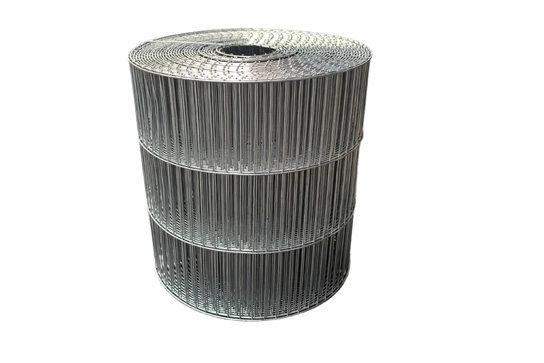
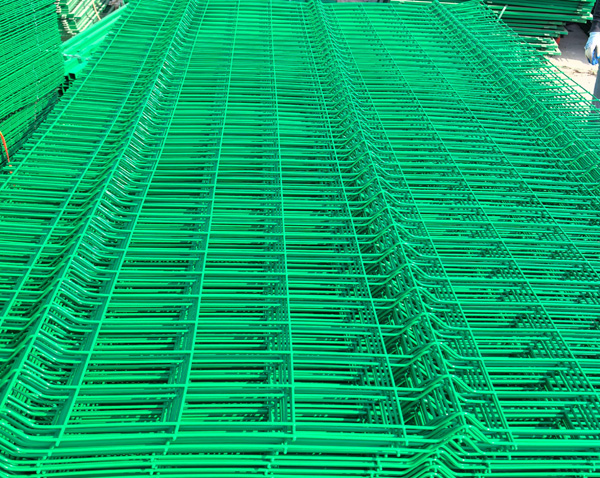
As the construction industry continues to evolve, there is a growing emphasis on sustainable building practices. One such innovation that has gained significant traction is the use of welded wire grid structures. This technology not only offers structural benefits but also contributes to environmental sustainability. In this report, we will explore the various environmental advantages of utilizing welded wire grid in construction.
One of the primary environmental benefits of using welded wire grid in construction is the reduction in material usage. Traditional construction methods often rely on heavy materials like concrete and steel, which require significant amounts of raw materials and energy to produce. Welded wire grid, on the other hand, is a lightweight and efficient alternative. The grid structure is designed to provide strength and stability while using less material. This not only reduces the overall weight of the structure but also minimizes the need for additional support systems, leading to a more sustainable construction process.
Moreover, the production of welded wire grid requires fewer resources compared to traditional materials. The manufacturing process involves minimal waste, as the wire is cut and welded precisely to fit the required specifications. This precision reduces the amount of scrap material generated, further contributing to the environmental benefits of using welded wire grid.
Another significant advantage of welded wire grid is its contribution to enhanced energy efficiency in buildings. The open structure of the grid allows for better air circulation and natural light penetration, which can significantly reduce the need for artificial lighting and ventilation. This, in turn, leads to lower energy consumption and reduced greenhouse gas emissions associated with power generation.
Additionally, the thermal properties of welded wire grid can be optimized by incorporating insulating materials within the grid. This combination provides an effective barrier against heat transfer, helping to maintain a comfortable indoor temperature. As a result, the building's heating and cooling requirements are reduced, leading to further energy savings and a smaller carbon footprint.
The durability and longevity of a construction project are critical factors in determining its environmental impact. Structures that last longer require fewer repairs and replacements, reducing the overall demand for new materials and the associated environmental costs. Welded wire grid is known for its exceptional durability and resistance to corrosion, making it an ideal choice for long-lasting construction projects.
Furthermore, the grid structure is highly resistant to environmental stressors such as wind, water, and seismic activity. This resilience ensures that the structure remains intact and functional over an extended period, reducing the need for frequent maintenance and repairs. By extending the lifespan of the building, welded wire grid helps to minimize the environmental impact associated with demolition and reconstruction.
At the end of its lifecycle, the recyclability of construction materials is a crucial factor in assessing their environmental impact. Welded wire grid is made from high-quality steel, which is one of the most recyclable materials available. The steel used in the grid can be easily recycled and reused in other construction projects, reducing the need for virgin materials and the associated environmental costs.
Moreover, the recycling process for steel is highly efficient, requiring significantly less energy compared to the production of new steel. This closed-loop system ensures that the environmental impact of the material is minimized throughout its lifecycle. By choosing welded wire grid, construction projects can contribute to a more circular and sustainable economy, where materials are continuously reused and repurposed.
In conclusion, the utilization of welded wire grid in construction offers numerous environmental benefits, including reduced material usage, enhanced energy efficiency, improved durability and longevity, and recyclability. These advantages make welded wire grid a valuable and sustainable choice for modern construction projects. As the industry continues to prioritize sustainability, the adoption of innovative technologies like welded wire grid will play a crucial role in creating a more environmentally friendly built environment.

Leave a Reply