

 English
 China
China Thailand
 Malaysia
 Vietnam
 Laos
Laos Cambodia
 Pilipinas
 Indonesia
 Russian
 Portuguese
 Arabic
 Japanese
 Spanish
 Italian
 French
 German
News
- Home
- News
- Company News
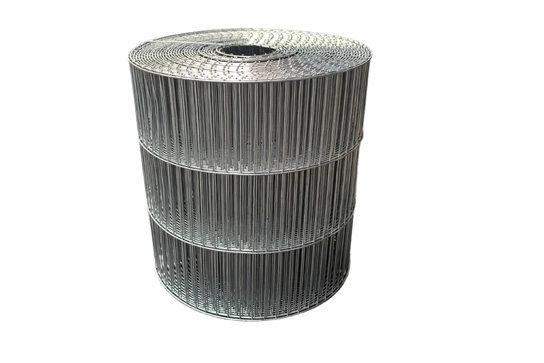
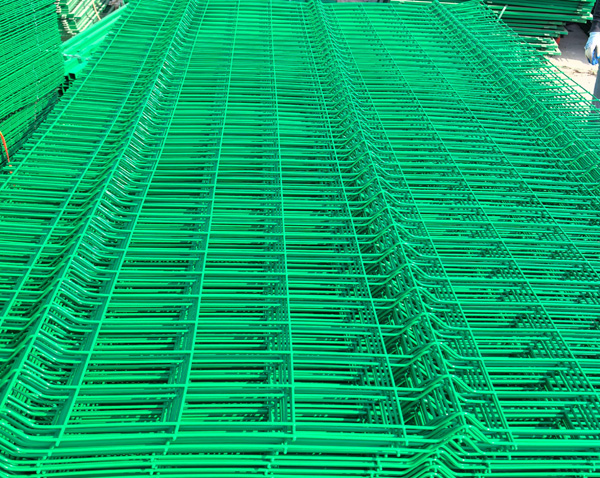
The integration of welded wire grid structures into landscape design and architecture represents a significant shift towards more sustainable, versatile, and aesthetically pleasing construction methods. A welded wire grid, also known as welded wire mesh, is a prefabricated material made from a series of parallel longitudinal wires with accurate spacing welded to cross wires at the required spacing. This article explores how this innovative use of welded wire grids can transform both the practical and visual aspects of projects ranging from small-scale residential gardens to large commercial developments.
One of the most compelling uses of welded wire grids in contemporary design lies in their ability to enhance structural integrity without compromising on aesthetics. Traditionally, reinforcing materials such as rebar or concrete were used, but these often lacked flexibility and could be visually obtrusive. Welded wire grids, on the other hand, offer a lightweight yet robust solution that can be easily integrated into various architectural forms. For instance, when used in retaining walls, they not only provide necessary support against soil erosion but also allow for the creation of living walls by incorporating plants directly into the structure. This dual functionality makes them an ideal choice for integrating green spaces within urban environments, promoting biodiversity while enhancing the structural resilience of the built environment.
Another critical aspect of using welded wire grids in landscape and architectural design is their contribution to sustainability. The production process for these grids generally involves less energy consumption compared to traditional reinforcement materials, making it a greener option. Additionally, due to its modular nature, any excess material can be easily reused or recycled, reducing waste. In terms of application, welded wire grids facilitate the implementation of permeable paving systems, which are crucial for managing stormwater runoff in urban areas. By allowing water to pass through the surface, these systems help recharge groundwater supplies and reduce the strain on conventional drainage infrastructure, thereby supporting more resilient and environmentally friendly urban planning strategies.
Beyond their functional benefits, welded wire grids present numerous opportunities for creative expression in design. Their open-cell structure allows for a wide range of artistic applications, from creating intricate patterns and designs to serving as a base for vertical gardens or as sculptural elements in public spaces. Moreover, the transparency of the material enables designers to play with light and shadow, adding depth and texture to outdoor spaces. In architectural settings, welded wire grids can be used to create dynamic facades that change appearance depending on the angle and intensity of sunlight, offering a unique way to engage with the surrounding environment. This adaptability means that welded wire grids can be seamlessly incorporated into diverse styles and contexts, from minimalist modernist designs to more ornate, traditional settings, ensuring that each project retains its individual character while benefiting from the inherent strengths of the material.
As we continue to face challenges related to climate change, urbanization, and resource scarcity, the role of innovative materials like the welded wire grid becomes increasingly important. By leveraging the unique properties of these grids, designers and architects can develop solutions that not only meet the functional requirements of their projects but also contribute positively to the environmental and social fabric of our communities. As research and development in this field progress, it is likely that we will see even more creative and effective uses of welded wire grids, further expanding their potential impact on the future of landscape design and architecture.



Leave a Reply