How to Choose the Right Welded Wire Grid for Your Project Needs
When it comes to selecting the appropriate welded wire grid structure for your project, making an informed decision is crucial. This guide will walk you through the key considerations and steps to ensure that the chosen welded wire grid meets both your functional and aesthetic requirements.
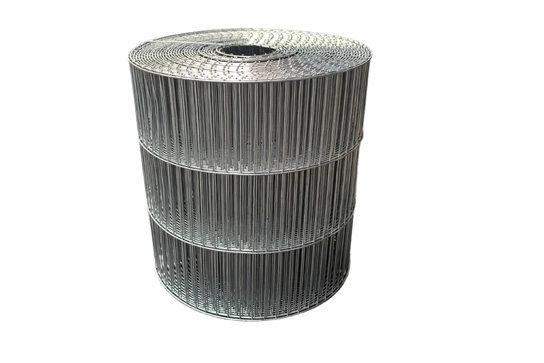
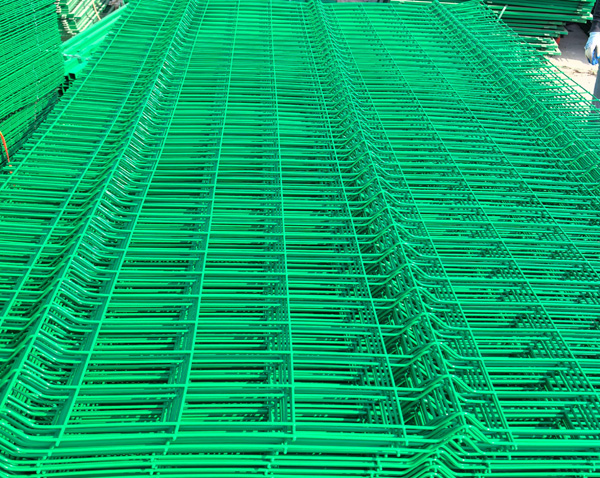
Welded wire grids are versatile materials used in a wide range of applications, from construction and agriculture to security and landscaping. They are made by welding Steel Wires at their intersections, creating a robust and durable mesh. The primary advantage of these grids is their strength and flexibility, which make them suitable for various environments and purposes.
Before diving into the selection process, it's essential to understand the basic properties of welded wire grids. These include:
- Material Composition: Most welded wire grids are made from carbon steel, but they can also be manufactured using stainless steel or galvanized steel for enhanced corrosion resistance.
- Wire Diameter: The diameter of the wires affects the overall strength and weight of the grid. Thicker wires provide greater strength but may add more weight.
- Mesh Size: The size of the openings (mesh) in the grid can vary, impacting the grid's functionality. Smaller meshes are better for security and containment, while larger meshes are often used for fencing and decorative purposes.
- Coating and Finish: Coatings such as PVC, powder coating, or galvanization can protect the grid from corrosion and enhance its appearance.
Assessing Your Project Requirements
To choose the right welded wire grid, you must first clearly define the requirements of your project. This involves considering several factors, including the intended use, environmental conditions, and budget constraints.
- Intended Use: Determine the primary purpose of the welded wire grid. Is it for fencing, reinforcing concrete, or providing security? Different applications require different types of grids. For example, a grid used for reinforcing concrete should have a smaller mesh size and higher tensile strength compared to one used for general fencing.
- Environmental Conditions: Consider the environment where the grid will be installed. Factors such as exposure to moisture, UV radiation, and temperature variations can affect the longevity and performance of the grid. For instance, if the grid will be exposed to harsh weather conditions, a galvanized or stainless steel option with a protective coating would be more suitable.
- Budget Constraints: While cost is always a factor, it's important to balance it with the quality and durability of the grid. Cheaper options may save money upfront but could lead to higher maintenance costs and shorter lifespans. Investing in a high-quality grid that meets your specific needs can provide long-term value.
Evaluating Strength and Durability
The strength and durability of a welded wire grid are critical factors that determine its suitability for your project. Here are some key aspects to consider:
- Tensile Strength: Tensile strength refers to the maximum stress that the grid can withstand before breaking. It is typically measured in pounds per square inch (psi). A higher tensile strength indicates a stronger grid, which is particularly important for applications requiring structural integrity, such as concrete reinforcement.
- Corrosion Resistance: Corrosion can significantly reduce the lifespan of a welded wire grid. Galvanized and stainless steel grids offer better corrosion resistance compared to plain carbon steel. Additionally, coatings like PVC or powder coating can further enhance the grid's resistance to rust and other forms of corrosion.
- Impact Resistance: If the grid will be subjected to physical impacts, such as in security applications, it's important to choose a grid with high impact resistance. Thicker wires and smaller mesh sizes generally provide better protection against impact.
Testing the grid's strength and durability can be done through various methods, such as tensile testing, impact testing, and corrosion resistance testing. Manufacturers often provide these test results, which can help you make an informed decision.
Installation and Maintenance Considerations
Proper installation and maintenance are crucial for ensuring the longevity and effectiveness of your welded wire grid. Here are some key points to consider:
- Installation Methods: The installation method will depend on the type of grid and the application. For example, fencing grids may require posts and fasteners, while concrete reinforcement grids are typically embedded within the concrete. Ensure that you follow the manufacturer's guidelines for installation to avoid any issues.
- Maintenance Requirements: Regular maintenance can extend the life of the grid. This includes inspecting the grid for signs of wear, corrosion, or damage and addressing any issues promptly. For grids with protective coatings, it's important to check for any chipping or peeling and reapply the coating if necessary.
- Safety Considerations: During installation and maintenance, safety should be a top priority. Use appropriate personal protective equipment (PPE), such as gloves and safety glasses, and follow all safety protocols to prevent injuries.
Conclusion
Selecting the right welded wire grid structure for your project requires a thorough understanding of your specific needs and the available options. By considering the basics of welded wire grids, assessing your project requirements, evaluating strength and durability, and planning for installation and maintenance, you can make an informed decision that ensures the success and longevity of your project.


 English
 China
China Thailand
 Malaysia
 Vietnam
 Laos
Laos Cambodia
 Pilipinas
 Indonesia
 Russian
 Portuguese
 Arabic
 Japanese
 Spanish
 Italian
 French
 German

Leave a Reply