

 English
 China
China Thailand
 Malaysia
 Vietnam
 Laos
Laos Cambodia
 Pilipinas
 Indonesia
 Russian
 Portuguese
 Arabic
 Japanese
 Spanish
 Italian
 French
 German
News
- Home
- News
- Company News
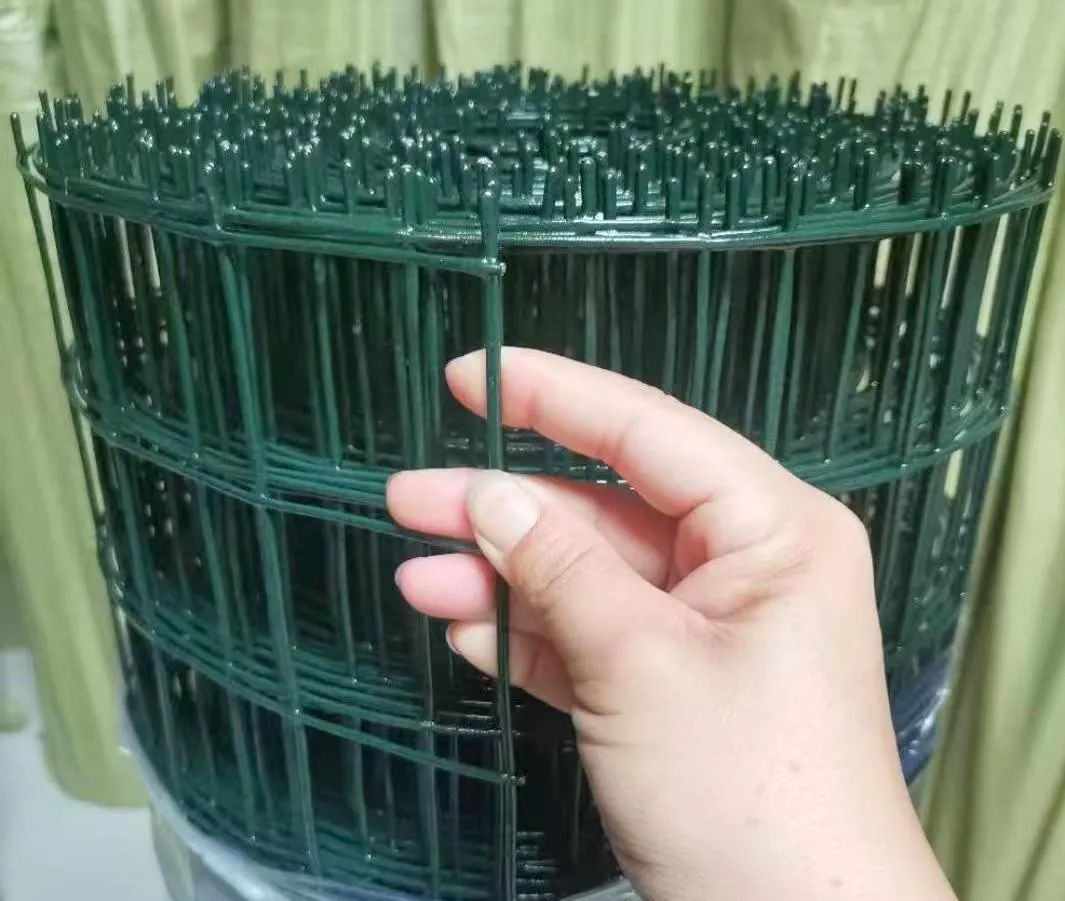
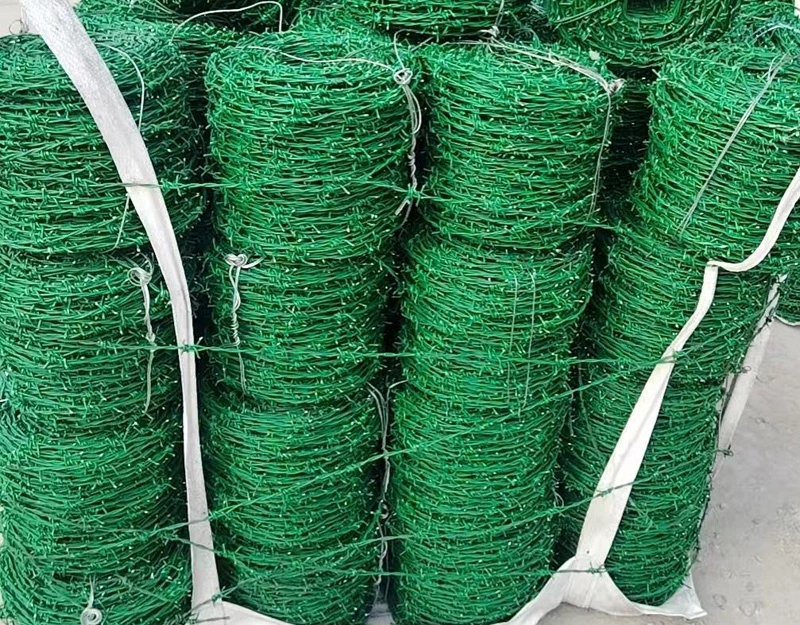
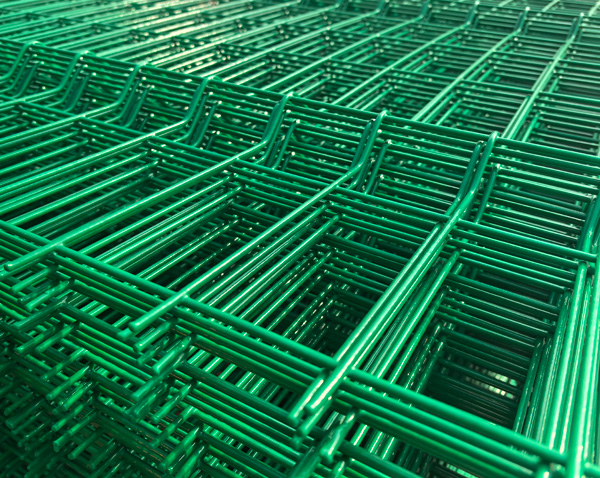
The use of PVC Coated siding has seen a significant rise in popularity, especially in regions that experience extreme weather conditions. This report aims to delve into the key factors contributing to the success and durability of PVC coated materials under harsh environmental conditions.
PVC, or Polyvinyl Chloride, is a synthetic plastic polymer known for its versatility and durability. When used as a coating over other materials, it provides an additional layer of protection against the elements. The process of creating PVC coated siding involves applying a thin layer of PVC onto the surface of the base material, usually through methods like extrusion or lamination. This coating not only enhances the visual appeal but also significantly improves the material's resistance to wear and tear, making it an ideal choice for construction projects in challenging climates.
One of the most critical advantages of PVC coated siding is its superior resistance to various weather conditions. In areas with high humidity, heavy rainfall, or frequent storms, traditional sidings may deteriorate quickly due to water absorption, leading to rot, mold growth, and structural weakening. However, PVC coatings are inherently waterproof and do not absorb moisture, which means they can effectively prevent such issues. Moreover, this type of siding demonstrates excellent performance in resisting UV radiation, ensuring that colors remain vibrant over time without fading, cracking, or peeling, even when exposed to intense sunlight.
Another significant benefit of using PVC coated siding lies in its thermal insulation properties. Buildings located in regions experiencing extreme temperature fluctuations, from scorching summers to freezing winters, require robust solutions to maintain comfortable indoor environments while minimizing energy consumption. By providing an extra barrier against heat transfer, PVC coatings help to reduce the amount of energy needed for heating and cooling, thereby lowering utility costs and contributing to more sustainable living. Additionally, the low thermal conductivity of PVC helps in maintaining consistent internal temperatures, further enhancing the overall comfort level within the building.
Maintaining the appearance and integrity of a building’s exterior can be both time-consuming and costly, particularly in locations prone to severe weather. Fortunately, PVC coated siding offers a solution that requires minimal upkeep. Unlike wood or metal, which might need regular painting, sealing, or replacement due to damage caused by environmental factors, PVC-coated materials retain their original quality with little effort. A simple cleaning routine, perhaps once or twice a year, is generally sufficient to keep the siding looking new. Furthermore, the longevity associated with these products ensures that homeowners and builders make a sound investment, as the need for repairs or replacements is greatly reduced over time.
In conclusion, the adoption of PVC coated siding represents a strategic move towards more resilient, efficient, and aesthetically pleasing buildings. Its ability to withstand harsh weather conditions, combined with its insulating qualities and low maintenance requirements, makes it an increasingly popular option among architects, developers, and property owners. As the demand for durable, cost-effective, and environmentally friendly construction materials continues to grow, PVC coated siding stands out as a reliable and effective solution for those facing the challenges posed by extreme climates.
Leave a Reply