

 English
 China
China Thailand
 Malaysia
 Vietnam
 Laos
Laos Cambodia
 Pilipinas
 Indonesia
 Russian
 Portuguese
 Arabic
 Japanese
 Spanish
 Italian
 French
 German
News
- Home
- News
- Company News
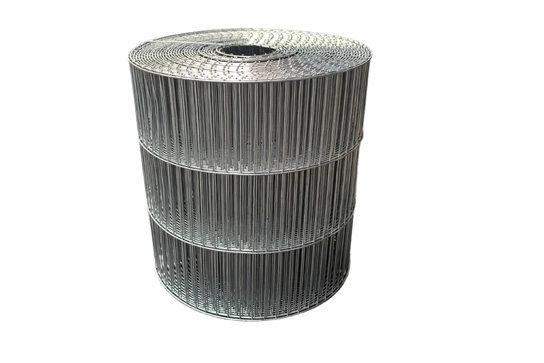
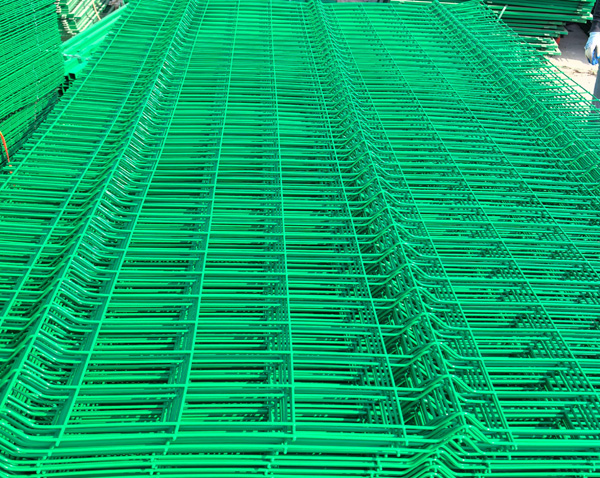
Welded wire grid structures have become increasingly popular in a variety of applications, from construction to industrial settings, due to their unique combination of strength, durability, and cost-effectiveness. This report aims to provide a comprehensive understanding of the properties that make welded wire grids such a valuable asset, with a focus on their structural integrity, longevity, and versatility. By exploring these aspects, we can better appreciate why this material is chosen for so many critical applications.
One of the primary reasons behind the widespread adoption of welded wire grid structures lies in their exceptional structural integrity. These grids are manufactured by welding Steel Wires at each intersection, creating a robust framework capable of withstanding significant loads and pressures. The uniform distribution of forces across the grid ensures that no single point bears an excessive load, which enhances the overall stability of the structure. Additionally, the process of welding creates a strong bond between the intersecting wires, significantly reducing the risk of failure under stress. This makes welded wire grids ideal for applications where reliability and safety are paramount, such as in reinforcing concrete, constructing retaining walls, and providing support in mining operations.
The durability of welded wire grid structures is another key factor contributing to their popularity. The materials used, typically high-strength steel, are inherently resistant to corrosion and wear. When properly coated or treated, these grids can withstand harsh environmental conditions, including exposure to moisture, chemicals, and extreme temperatures. This resistance to degradation not only extends the lifespan of the structure but also reduces maintenance costs over time. For instance, in coastal regions where saltwater and humidity can be highly corrosive, galvanized or epoxy-coated welded wire grids offer long-lasting protection against rust and deterioration. Furthermore, the consistent quality control during manufacturing ensures that each grid meets stringent standards, further enhancing its longevity.
Beyond their inherent strength and durability, welded wire grid structures are incredibly versatile, making them suitable for a wide range of applications. In the construction industry, they are commonly used as reinforcement in concrete slabs, beams, and columns, providing additional tensile strength and crack resistance. In agricultural settings, welded wire grids serve as effective fencing and containment solutions, offering both security and visibility. They are also utilized in the fabrication of cages and bins for storage and transportation. In the industrial sector, these grids find use in conveyor systems, shelving units, and even as protective barriers. The adaptability of welded wire grids to various environments and requirements underscores their value as a multi-purpose building material.
Another significant advantage of welded wire grid structures is their cost-effectiveness. Compared to traditional methods of reinforcement, such as individual rebar placement, welded wire grids can be installed more quickly and efficiently, reducing labor costs and project timelines. The prefabricated nature of these grids ensures that they are ready to use upon delivery, eliminating the need for on-site assembly and minimizing the potential for errors. Additionally, the uniform spacing and alignment of the wires ensure consistent performance, which is crucial for maintaining the structural integrity of the final product. This efficiency not only saves money but also enhances the overall quality and reliability of the construction project.
In today’s environmentally conscious world, the sustainability of building materials is a critical consideration. Welded wire grid structures contribute positively to this aspect by being both recyclable and reusable. Steel, the primary material used in these grids, is one of the most recycled materials globally, with a high recovery rate. This means that at the end of their lifecycle, welded wire grids can be repurposed or recycled, reducing waste and the demand for new raw materials. Moreover, the energy-efficient manufacturing processes and the long service life of these grids further minimize their environmental impact. By choosing welded wire grids, builders and engineers can align with sustainable practices while still benefiting from the superior performance characteristics of the material.
In conclusion, welded wire grid structures offer a compelling combination of strength, durability, versatility, cost-effectiveness, and environmental sustainability. Their ability to meet the rigorous demands of various applications, coupled with their ease of installation and long-term performance, makes them an invaluable choice for modern construction and industrial projects. As technology continues to advance, it is likely that the applications and benefits of welded wire grids will only expand, further cementing their place as a cornerstone of structural engineering.


Leave a Reply