

 English
 China
China Thailand
 Malaysia
 Vietnam
 Laos
Laos Cambodia
 Pilipinas
 Indonesia
 Russian
 Portuguese
 Arabic
 Japanese
 Spanish
 Italian
 French
 German
News
- Home
- News
- Company News
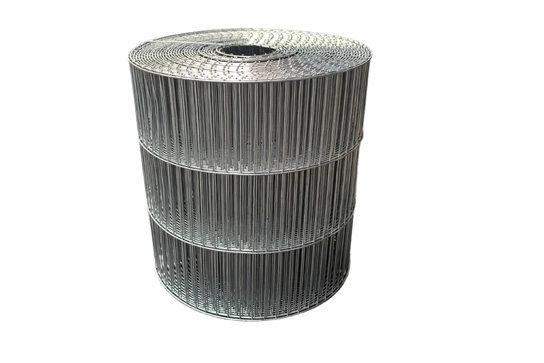
Welded wire grid structures, also known as welded wire mesh or simply wire grids, are widely used in various applications ranging from construction to agricultural fencing. These structures offer a robust solution for many needs, thanks to their strength, durability, and versatility. This comprehensive guide aims to provide detailed instructions on how to install and maintain these grids effectively, ensuring they serve their intended purpose over an extended period.
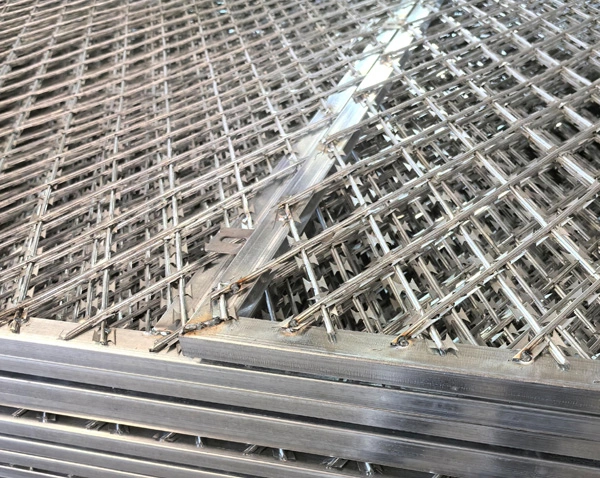
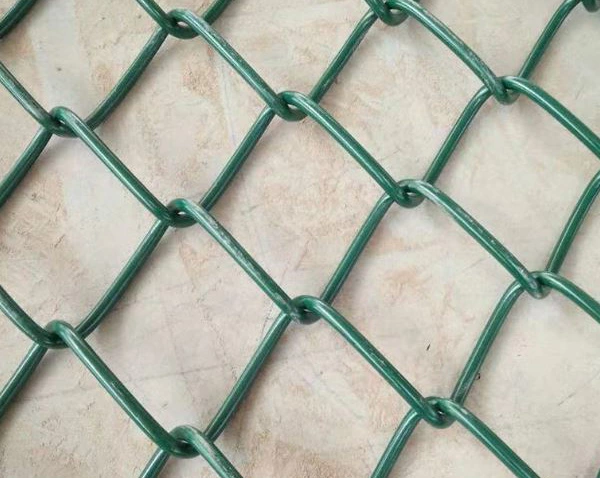
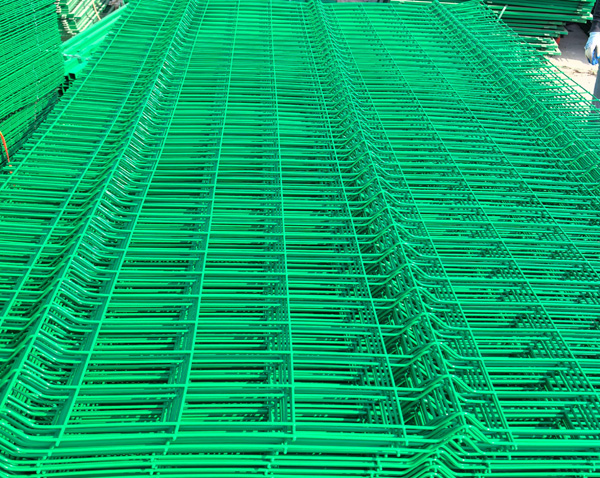
Before diving into installation and maintenance, it's crucial to understand what makes up a welded wire grid structure. Essentially, this type of structure consists of Steel Wires that are welded at each intersection, creating a grid pattern. The size of the openings (or cells) between the wires can vary, depending on the specific application. For example, smaller openings might be preferred for animal enclosures, while larger ones could be suitable for reinforcing concrete in construction projects.
The material composition is another key aspect. Most commonly, these grids are made from galvanized steel, which provides excellent resistance against corrosion, making them ideal for outdoor use. Some high-end models may even feature additional coatings such as PVC, further enhancing their durability and aesthetic appeal.
The method of installing a welded wire grid structure largely depends on its intended use and the environment where it will be placed. Here, we'll explore several common scenarios:
Regardless of the application, using the right tools and following safety guidelines are paramount. Always wear appropriate protective gear, including gloves and safety glasses, when handling and installing these materials.
Once installed, proper maintenance is essential to maximize the lifespan of your welded wire grid structure. Here are some tips to keep in mind:
By following these maintenance practices, you can significantly extend the life of your welded wire grid structure, ensuring it continues to perform well and remains a cost-effective solution for your needs.
In conclusion, welded wire grid structures offer a versatile, durable, and cost-effective solution for a wide range of applications. By understanding the basics, employing the right installation techniques, and adhering to a regular maintenance schedule, you can ensure that your investment in these grids is both effective and long-lasting. Whether used in construction, agriculture, or landscaping, the benefits of welded wire grid structures are clear, and with proper care, they will continue to serve their purpose for years to come.


Leave a Reply