

 English
 China
China Thailand
 Malaysia
 Vietnam
 Laos
Laos Cambodia
 Pilipinas
 Indonesia
 Russian
 Portuguese
 Arabic
 Japanese
 Spanish
 Italian
 French
 German
News
- Home
- News
- Company News
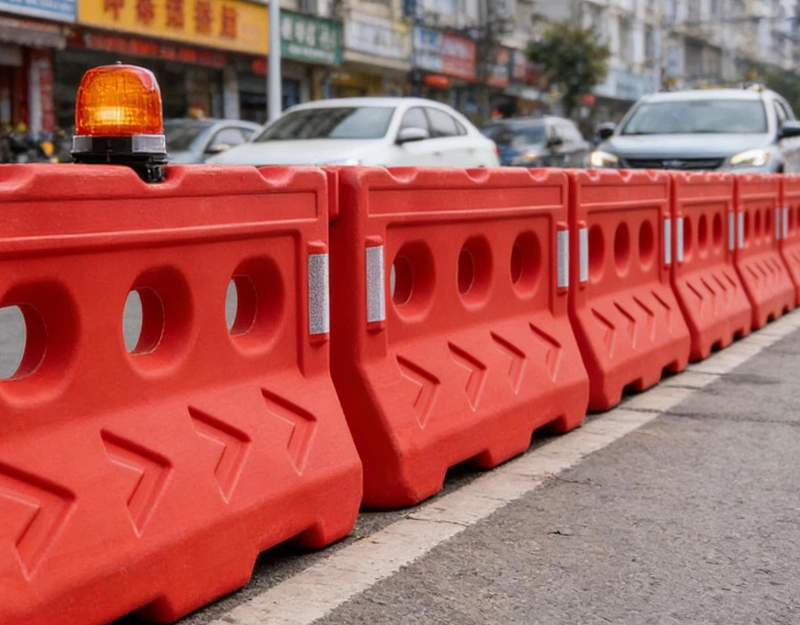
The use of water filled traffic barriers on highways has become increasingly popular over the past few years, not only for their practical benefits but also for the environmental advantages they offer. This report aims to explore the various environmental benefits associated with the deployment of water-filled traffic barriers, highlighting key aspects such as sustainability, resource efficiency, and ecological impact.
One of the most significant environmental benefits of using water filled traffic barriers is the reduction in carbon footprint that results from their material efficiency. Traditional concrete or metal barriers require a substantial amount of raw materials, energy, and transportation, which contribute to greenhouse gas emissions. In contrast, water-filled barriers are made from lightweight, durable plastics that can be manufactured using fewer resources. The primary material used in these barriers, high-density polyethylene (HDPE), is both recyclable and reusable, making it an environmentally friendly choice. Additionally, since the barriers are filled with water at the site, there's a considerable reduction in the weight during transport, leading to lower fuel consumption and emissions. This approach supports the broader goal of reducing the construction industry’s carbon footprint, aligning with global efforts to combat climate change.
Another critical advantage of water filled traffic barriers is their role in enhancing resource conservation and reusability. Unlike traditional barriers that often end up in landfills after their useful life, water-filled barriers can be easily emptied and reused multiple times. This feature significantly reduces the demand for new materials and minimizes waste. Furthermore, the plastic components of these barriers can be recycled, contributing to a circular economy. When a project is completed, the barriers can be drained, disassembled, and transported to the next site, thereby extending their lifespan and reducing the need for new production. This reusability not only conserves natural resources but also reduces the overall cost of highway safety infrastructure, making it a sustainable and economically viable solution.
The deployment of water filled traffic barriers also has a positive impact on local ecosystems and biodiversity. Traditional barriers, especially those made of concrete, can disrupt natural habitats and lead to soil erosion, which can have detrimental effects on local flora and fauna. Water-filled barriers, on the other hand, are designed to be less invasive. They can be installed without the need for extensive excavation, thus minimizing soil disturbance and preserving the natural landscape. Additionally, the water within the barriers can provide a temporary habitat for small aquatic organisms, supporting local biodiversity. This aspect is particularly important in areas where wildlife corridors intersect with highways, as it helps to maintain ecological connectivity and reduce the fragmentation of habitats. By choosing water-filled barriers, highway authorities can play a crucial role in protecting and enhancing the natural environment.
Water filled traffic barriers also offer significant benefits in terms of water management and erosion control. The water inside the barriers can serve as a temporary reservoir, helping to manage runoff and prevent soil erosion, especially in areas prone to heavy rainfall or flooding. This dual functionality is particularly valuable in regions where water management is a critical concern. The barriers can be strategically placed to redirect water flow, reducing the risk of erosion and landslides. Moreover, the water can be used for irrigation or other purposes once the barriers are no longer needed, further enhancing the overall sustainability of the project. This multifunctional approach not only improves the environmental performance of the barriers but also provides additional value to the community.
In conclusion, the use of water filled traffic barriers on highways offers numerous environmental benefits, including a reduced carbon footprint, enhanced resource conservation, improved ecological impact, and effective water management. These advantages make them a compelling choice for highway authorities and construction companies looking to adopt more sustainable practices. By integrating these innovative barriers into highway infrastructure, we can contribute to a more environmentally friendly and resilient transportation system, ultimately supporting the global effort to achieve a sustainable future.



Leave a Reply