

 English
 China
China Thailand
 Malaysia
 Vietnam
 Laos
Laos Cambodia
 Pilipinas
 Indonesia
 Russian
 Portuguese
 Arabic
 Japanese
 Spanish
 Italian
 French
 German
News
- Home
- News
- Company News
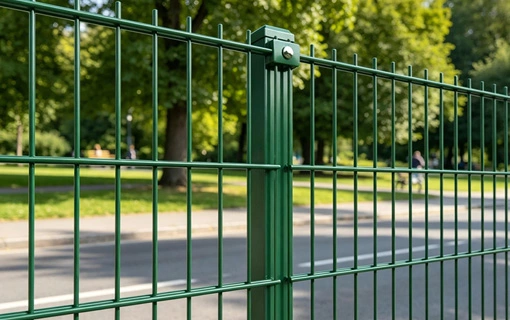
When it comes to choosing the right fencing material for a project, whether for security, aesthetics, or functionality, understanding the unique properties and applications of each option is crucial. Among the various types of fencing materials available, twin wire mesh fence stands out due to its distinctive design and practical benefits. This report aims to compare twin wire mesh fence with other common fencing materials, highlighting key differences in terms of durability, cost-effectiveness, installation, and maintenance. Through this analysis, we will provide insights into the most suitable scenarios for employing twin wire mesh fences versus alternatives.
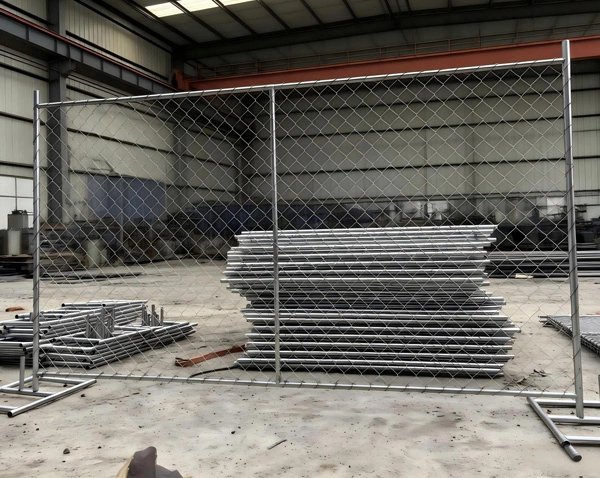
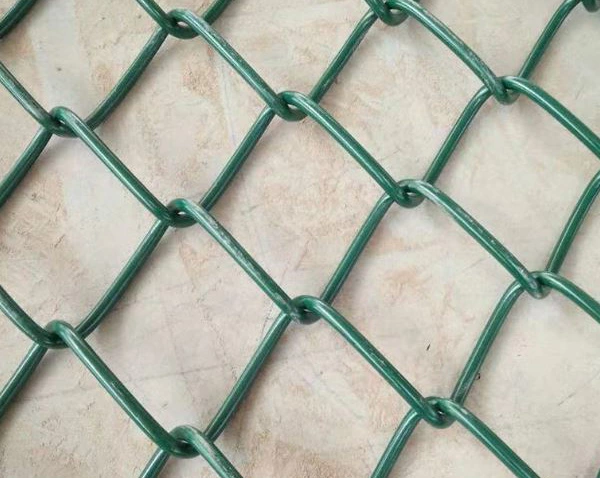
Twin wire mesh fence, characterized by its double horizontal wires that are tightly twisted together, offers enhanced strength compared to traditional single-wire designs. This structural feature not only improves the overall rigidity of the fence but also makes it more resistant to vandalism and damage. In contrast, while chain link fencing has been a popular choice for many years due to its affordability and easy installation, it may not offer the same level of security as twin wire mesh. chain link fences can be more susceptible to cutting and climbing, which limits their effectiveness in high-security environments. Furthermore, the galvanized or PVC-coated steel used in twin wire mesh fences provides superior corrosion resistance, extending the lifespan of the fence significantly over time. Thus, when considering long-term durability and security, twin wire mesh fence emerges as a stronger alternative to conventional chain link fencing.
One of the critical factors in selecting any fencing material is the associated costs. While the initial purchase price of twin wire mesh fence might be slightly higher than some other options like wooden or simple metal fences, its long-term cost-effectiveness cannot be overlooked. The robust construction of twin wire mesh reduces the need for frequent repairs and replacements, leading to lower maintenance expenses over the life of the fence. Additionally, the aesthetic appeal of twin wire mesh, often complemented by a range of color options, adds value to the property, potentially increasing its market value. On the other hand, cheaper alternatives such as wooden fences require regular treatment against weathering, rot, and insect damage, which can accumulate significant costs over time. Therefore, despite a potentially higher upfront investment, twin wire mesh fence presents a more economically viable solution in the long run.
The ease of installation and adaptability to various site conditions are essential considerations when comparing different fencing materials. Twin wire mesh fence panels come in standard sizes, facilitating quick and straightforward assembly. Moreover, these panels can be easily customized to fit irregularly shaped areas or incorporate additional features like gates and access points without compromising the integrity of the structure. This flexibility contrasts sharply with concrete or brick walls, which, although durable, demand extensive planning, labor, and time for construction. Such rigid structures are also less adaptable to changes in the landscape or future expansion needs. Hence, for projects requiring both speed of installation and versatility, twin wire mesh fence provides an ideal balance between functionality and customization.
Regular maintenance is necessary to ensure that any fence remains in good condition and continues to serve its intended purpose effectively. Compared to wood, vinyl, or even certain types of metal fences, twin wire mesh requires minimal upkeep. The use of high-quality materials and finishes during manufacturing ensures that these fences resist rust, fading, and general wear and tear. Typically, occasional cleaning with water and mild detergent is sufficient to keep the fence looking new. In comparison, wood fences must be regularly stained or painted to prevent decay, while vinyl fences, though low-maintenance, can become brittle and crack under extreme weather conditions. By minimizing the need for ongoing care, twin wire mesh fence not only saves time and effort but also contributes to a more sustainable and eco-friendly approach to property management.
In conclusion, twin wire mesh fence offers several advantages over traditional fencing materials, including enhanced security, durability, and cost-effectiveness. Its strong yet flexible design, coupled with low maintenance requirements, makes it a versatile and reliable choice for a wide range of applications. Whether for residential, commercial, or industrial settings, the benefits of twin wire mesh fence make it a compelling option worth considering. As demonstrated through our comparative analysis, while each type of fencing material has its own merits, twin wire mesh fence stands out as a superior choice in terms of longevity, security, and overall value.


Leave a Reply