

 English
 China
China Thailand
 Malaysia
 Vietnam
 Laos
Laos Cambodia
 Pilipinas
 Indonesia
 Russian
 Portuguese
 Arabic
 Japanese
 Spanish
 Italian
 French
 German
News
- Home
- News
- Company News
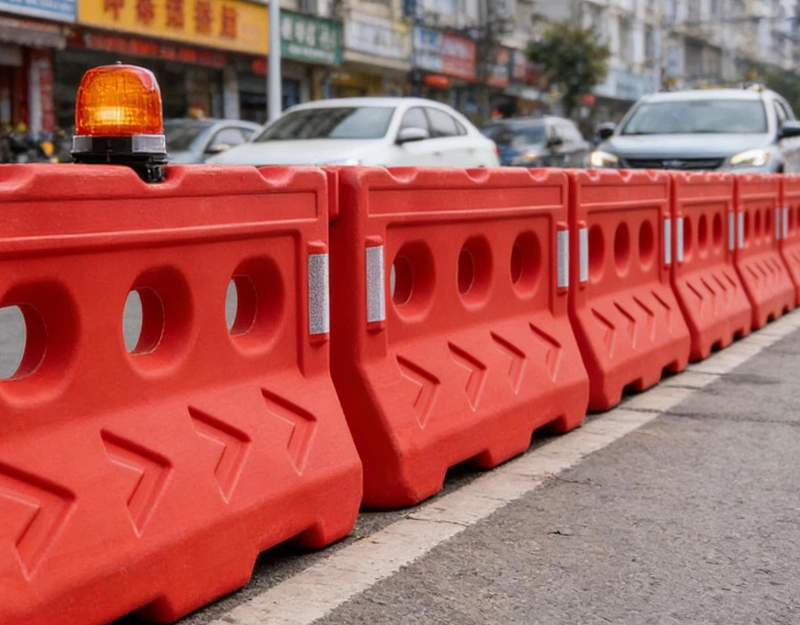
water filled traffic barriers, also known as water-filled jersey barriers or plastic barriers, have become increasingly popular in recent years due to their unique properties and versatile applications. These barriers are typically made from high-density polyethylene (HDPE) and can be filled with water to provide additional stability and impact resistance. This report delves into the durability and impact resistance of water filled traffic barriers, exploring their construction, performance under various conditions, and the benefits they offer over traditional concrete barriers.
The primary material used in the construction of water filled traffic barriers is high-density polyethylene (HDPE). HDPE is a thermoplastic polymer that offers several advantages, including high strength, flexibility, and resistance to corrosion and weathering. The design of these barriers typically includes hollow chambers that can be filled with water, which significantly increases their weight and stability. When filled, the barriers can weigh up to 1,000 pounds, making them highly effective in preventing vehicle incursions and protecting pedestrians and workers in construction zones.
One of the key features of water filled traffic barriers is their ability to absorb and dissipate the energy of a collision. In crash tests, these barriers have shown excellent performance, effectively reducing the severity of impacts and minimizing the risk of injury to vehicle occupants. The water inside the barriers acts as a shock absorber, helping to distribute the force of the impact across a larger area. This not only enhances the barrier's overall stability but also reduces the likelihood of the barrier being displaced or overturned during a collision.
Additionally, the flexible nature of HDPE allows the barriers to deform slightly upon impact, further absorbing the kinetic energy of the colliding vehicle. This deformation helps to reduce the deceleration forces experienced by the vehicle and its occupants, thereby lowering the risk of serious injuries. The crashworthiness of water filled traffic barriers has been extensively tested and certified by organizations such as the American Association of State Highway and Transportation Officials (AASHTO) and the Federal Highway Administration (FHWA).
Water filled traffic barriers offer several environmental and operational benefits compared to traditional concrete barriers. Firstly, they are much lighter when empty, which makes them easier to transport and deploy. This reduces the logistical challenges and costs associated with setting up and removing barriers at construction sites. Secondly, the use of water as a stabilizing agent is environmentally friendly, as it does not require any additional materials or chemicals. Once the barriers are no longer needed, the water can be easily drained and reused, leaving behind lightweight, easy-to-handle units.
Another significant advantage is the reduced carbon footprint associated with the production and transportation of water filled traffic barriers. HDPE is a recyclable material, and many manufacturers now offer recycling programs for their products. This sustainability factor is particularly important in today’s world, where there is a growing emphasis on eco-friendly practices and reducing waste.
Proper maintenance is crucial for ensuring the longevity and effectiveness of water filled traffic barriers. Regular inspections should be conducted to check for any signs of wear, damage, or leaks. If a leak is detected, it can usually be repaired using simple tools and materials, such as patch kits designed for HDPE. Additionally, the water inside the barriers should be checked periodically to ensure it remains clean and free from contaminants that could cause corrosion or degradation of the barrier material.
Under normal conditions, water filled traffic barriers can last for many years with minimal maintenance. The durability of HDPE, combined with the robust design of the barriers, means that they can withstand harsh weather conditions, including extreme temperatures, UV radiation, and heavy rainfall. This longevity makes them a cost-effective solution for long-term projects and permanent installations.
Water filled traffic barriers have proven to be a reliable and effective solution for enhancing road safety and managing traffic in construction zones. Their unique combination of high-impact resistance, ease of deployment, and environmental benefits makes them a preferred choice for many transportation agencies and construction companies. As technology continues to advance, it is likely that we will see further improvements in the design and performance of these barriers, making them even more valuable in the future.
In summary, the durability and impact resistance of water filled traffic barriers, along with their numerous other advantages, make them a valuable asset in modern traffic management and road safety. By understanding their material composition, crash performance, and maintenance requirements, stakeholders can make informed decisions about their use and ensure the highest level of protection for both drivers and pedestrians.

Leave a Reply