

 English
 China
China Thailand
 Malaysia
 Vietnam
 Laos
Laos Cambodia
 Pilipinas
 Indonesia
 Russian
 Portuguese
 Arabic
 Japanese
 Spanish
 Italian
 French
 German
News
- Home
- News
- Company News
Construction zones are inherently dangerous places, where the safety of workers and passagers is paramount. One of the most effective tools in enhancing this safety is the water filled traffic barrier, a versatile and robust solution that has been increasingly adopted across the globe. This report aims to explore how these barriers contribute to the overall protection within construction zones, focusing on their functionality, deployment, and impact on safety standards.
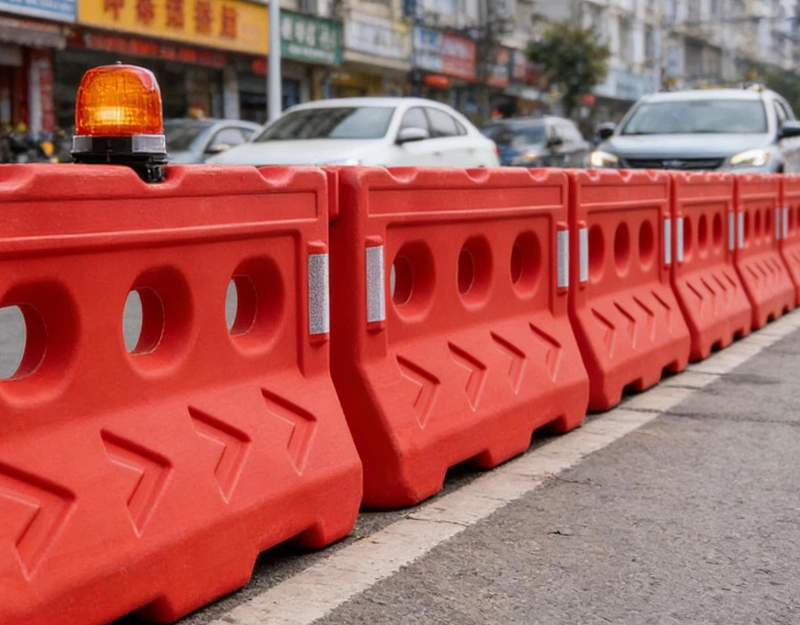
Water filled traffic barriers play an essential role in reducing the severity of collisions by acting as a physical buffer between vehicles and construction areas. Unlike traditional concrete or metal barriers, which can be cumbersome and difficult to move, water filled traffic barriers offer a more flexible yet equally effective alternative. When a vehicle collides with a water filled traffic barrier, the water inside absorbs much of the impact force, significantly reducing the potential for injury or damage. This feature not only enhances the safety of drivers and passengers but also provides a safer working environment for construction personnel.
One of the key advantages of water filled traffic barriers lies in their adaptability and ease of deployment. These barriers come in modular designs, allowing them to be easily assembled and disassembled as needed. Moreover, they can be quickly filled with water on-site using standard hoses, making setup a straightforward process even in remote locations. This characteristic makes them particularly suitable for temporary road works, where the layout of the site may change frequently. Additionally, once the project is completed, the barriers can be emptied and stored efficiently, ready for use at another location. Such flexibility ensures that construction managers can respond swiftly to changing conditions without compromising on safety.
Visibility plays a crucial role in ensuring driver awareness and adherence to speed limits within construction zones. Water filled traffic barriers often come equipped with reflective strips or other high-visibility features, making them highly visible even under low light conditions. This increased visibility helps guide drivers safely through the work area, reducing the likelihood of accidents caused by confusion or misjudgment. Furthermore, the bright colors and reflective surfaces serve as constant reminders to slow down and proceed with caution, thereby contributing to a safer driving environment overall.
Another significant benefit of water filled traffic barriers is their environmental friendliness. Traditional barriers made from concrete or steel require significant energy and resources to produce, transport, and install. In contrast, water filled traffic barriers are typically constructed from durable, recyclable plastics, reducing their carbon footprint. The fact that they can be reused multiple times further enhances their sustainability. Additionally, since the primary filler material is water, there is no waste generated during the filling or emptying processes, making these barriers a more eco-friendly option for construction projects committed to sustainable practices.
While initial investment costs for water filled traffic barriers may seem higher compared to some traditional options, their long-term value cannot be overstated. Due to their durability and reusability, these barriers provide a cost-effective solution over time. They require minimal maintenance and can withstand harsh weather conditions, including extreme temperatures and UV exposure, without degrading. As a result, they offer a reliable and lasting investment for construction companies looking to improve safety while managing budget constraints effectively. Furthermore, the reduction in accident rates and associated liabilities can lead to substantial savings in insurance premiums and legal costs, adding to their overall economic benefits.
In conclusion, water filled traffic barriers represent a significant advancement in construction zone safety. Their ability to mitigate collision impacts, adapt to various scenarios, enhance driver visibility, support environmental sustainability, and deliver long-term cost-effectiveness make them an indispensable tool for modern construction projects. By incorporating these barriers into their safety protocols, construction managers can create a safer, more efficient, and environmentally responsible work environment, ultimately benefiting both workers and the public alike.


Leave a Reply