

 English
 China
China Thailand
 Malaysia
 Vietnam
 Laos
Laos Cambodia
 Pilipinas
 Indonesia
 Russian
 Portuguese
 Arabic
 Japanese
 Spanish
 Italian
 French
 German
News
- Home
- News
- Company News
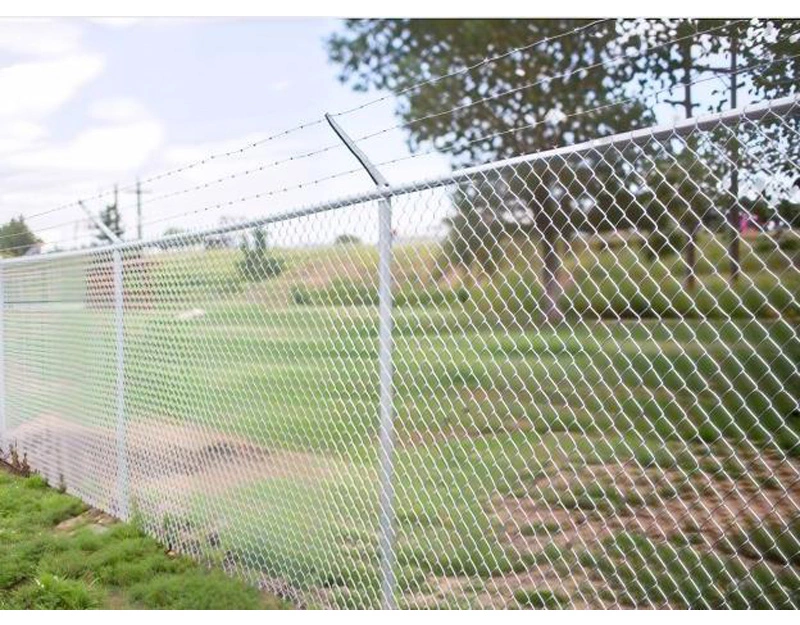
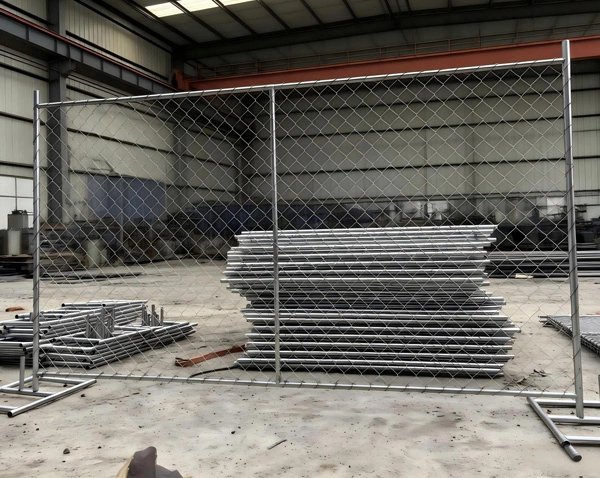
Maintaining a chain link fence in China is essential for ensuring its longevity and functionality. This technical report delves into the specific challenges faced by chain link fences in the Chinese environment, such as extreme weather conditions, pollution, and high humidity. The report provides practical tips and techniques to address these issues, including regular cleaning, rust prevention, and structural inspections. By following these maintenance guidelines, property owners can significantly extend the life of their chain link fences while maintaining their aesthetic appeal and security.
The diverse climate in China, ranging from cold winters to hot, humid summers, poses significant challenges to the durability of chain link fences. Extreme temperatures can cause expansion and contraction, leading to structural weaknesses. Regular inspections during seasonal changes are crucial to identify and address any potential issues early.
Air pollution is a prevalent issue in many Chinese cities, which can accelerate the corrosion of metal surfaces. Regular cleaning with mild detergents and water can help remove pollutants and prevent the buildup of corrosive substances on the fence. Applying a protective coating or paint can also provide an additional barrier against environmental damage.
High humidity levels, especially in coastal regions, can lead to the formation of rust and other forms of corrosion. Proper drainage around the fence and the use of rust-resistant materials can mitigate these effects. Additionally, applying a rust-inhibiting primer and paint can further protect the fence from moisture-related damage.
Regular cleaning is essential to maintain the appearance and integrity of the chain link fence. Use a soft brush and a solution of mild detergent and water to remove dirt, grime, and pollutants. Inspect the fence for any signs of wear, such as loose fittings, bent wires, or rust spots, and address them promptly.
Rust is one of the most common issues affecting chain link fences in China. To prevent rust, apply a rust-inhibiting primer followed by a durable paint or sealant. Regularly check for any areas where the paint has chipped or worn away and touch up as needed. Consider using galvanized or vinyl-coated chain link fencing for added rust resistance.
Ensuring the structural integrity of the chain link fence is vital for its long-term performance. Check the posts, brackets, and fasteners for any signs of loosening or damage. Tighten or replace any loose or damaged components. Regularly inspect the fence for any sagging or leaning sections and make necessary adjustments to maintain its alignment and stability.
Applying a high-quality, rust-resistant paint or sealant can significantly extend the life of a chain link fence. Choose a product that is specifically designed for outdoor use and has a high resistance to UV rays and moisture. Follow the manufacturer's instructions for application and reapply as needed to maintain the protective layer.
In some cases, it may be beneficial to hire professional services for more complex maintenance tasks. Professionals can provide expert advice on the best materials and techniques for your specific environment. They can also perform detailed inspections and repairs, ensuring that the fence remains in optimal condition.
Consider upgrading to high-quality, rust-resistant materials such as stainless steel or aluminum. These materials offer superior durability and require less maintenance compared to traditional galvanized steel. While the initial cost may be higher, the long-term benefits in terms of reduced maintenance and extended lifespan make it a worthwhile investment.
This content provides a comprehensive guide to maintaining a chain link fence in China, addressing the unique challenges posed by the local environment and offering practical solutions to prolong the fence's life.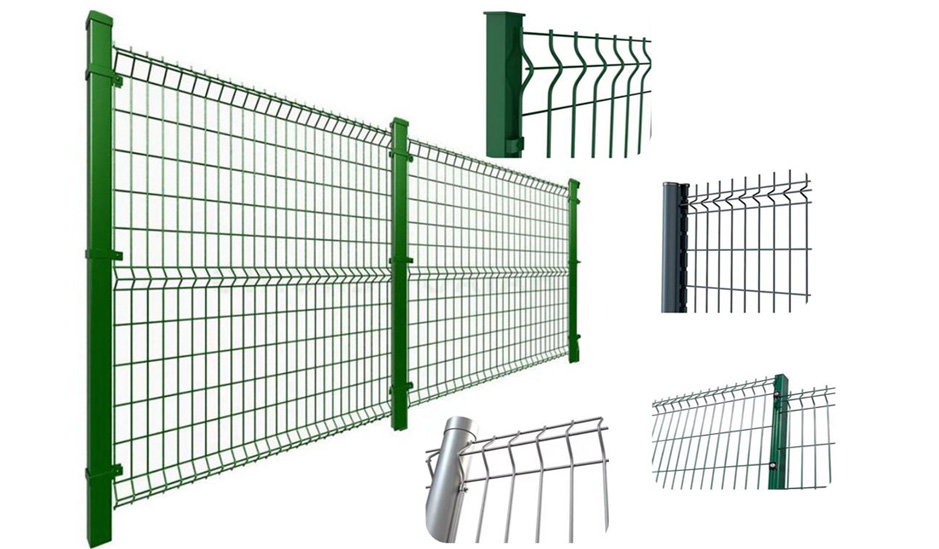
Leave a Reply