

 English
 China
China Thailand
 Malaysia
 Vietnam
 Laos
Laos Cambodia
 Pilipinas
 Indonesia
 Russian
 Portuguese
 Arabic
 Japanese
 Spanish
 Italian
 French
 German
News
- Home
- News
- Company News
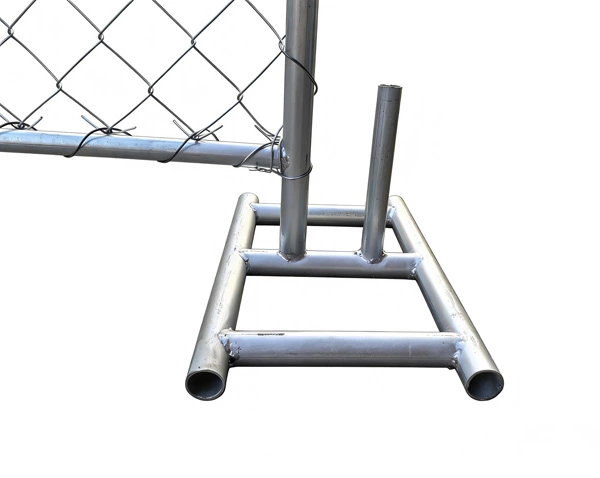
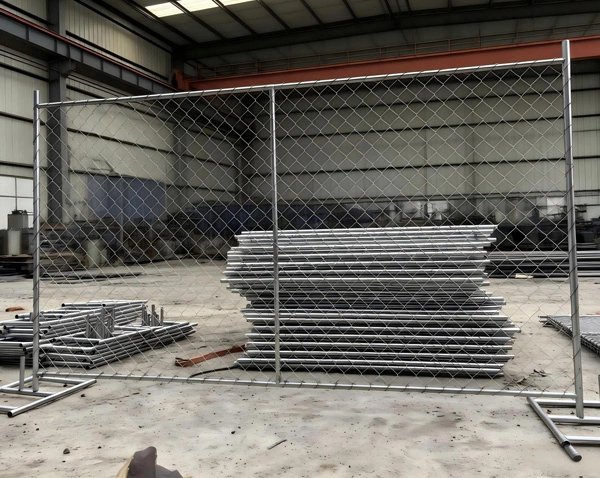
Chain link fences have long been a staple in various applications around the world, from residential security to industrial enclosures. In recent years, these versatile structures have found a new and exciting role in modern Chinese architecture. This report explores the integration of chain link fences into contemporary architectural designs in China, highlighting their practical benefits, aesthetic potential, and innovative uses.
Traditionally, chain link fences were primarily used for functional purposes, such as securing perimeters and providing safety. However, in modern Chinese architecture, they have evolved to serve a more multifaceted role. Architects and designers are now leveraging the unique properties of chain link fences to create visually striking and functional spaces. For example, the transparency of chain link fences allows for natural light to pass through, creating an open and airy environment. This is particularly beneficial in urban settings where space is limited and natural light is a premium. Additionally, the flexibility of chain link fences enables them to be easily integrated into various architectural styles, from minimalist to industrial, making them a versatile choice for modern design.
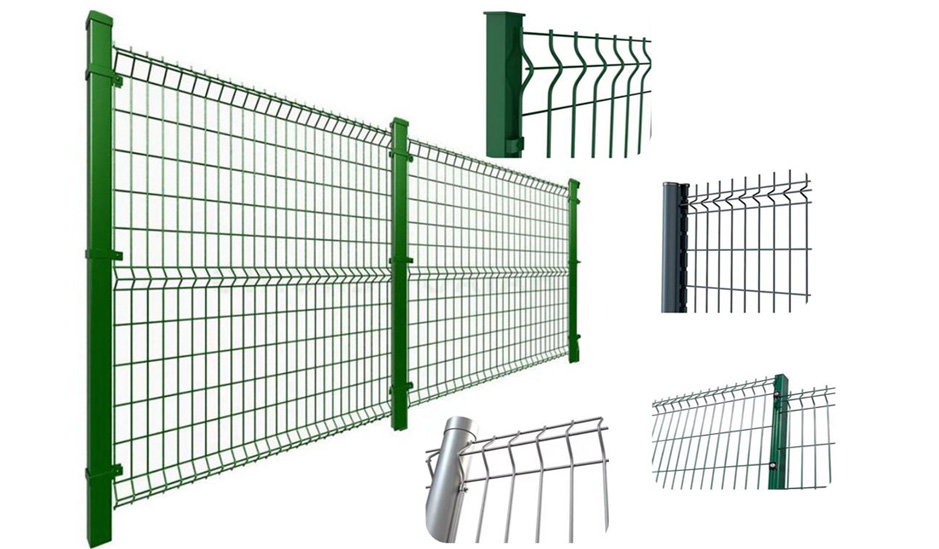
One of the primary advantages of using chain link fences in modern Chinese architecture is their ability to enhance both security and aesthetics. Chain link fences provide a robust barrier that can deter unauthorized access, making them ideal for residential and commercial properties. Moreover, advancements in manufacturing techniques have led to the development of chain link fences with improved durability and resistance to corrosion, ensuring they can withstand the elements and maintain their structural integrity over time. From an aesthetic perspective, chain link fences can be customized with different colors and coatings, allowing them to complement or contrast with the surrounding architecture. This customization not only enhances the visual appeal of the fence but also integrates it seamlessly into the overall design of the building.
Chain link fences are increasingly being used in innovative ways to transform public spaces in China. For instance, they are being employed as decorative elements in parks and recreational areas, where they can be adorned with climbing plants or artistic installations. This not only adds a touch of greenery and beauty to the environment but also provides a functional barrier. Additionally, chain link fences are being used in urban art projects, where they serve as canvases for murals and graffiti, turning what was once a utilitarian structure into a work of art. These applications demonstrate the versatility of chain link fences and their potential to contribute to the cultural and social fabric of a community.
Another significant aspect of chain link fences in modern Chinese architecture is their sustainability. The materials used in chain link fences, such as galvanized steel and aluminum, are highly recyclable and have a lower environmental impact compared to other fencing materials. Furthermore, the longevity and low maintenance requirements of chain link fences make them a cost-effective and eco-friendly choice. In urban environments, where sustainability is a growing concern, chain link fences offer a solution that aligns with green building practices. By choosing chain link fences, architects and developers can reduce the carbon footprint of their projects and contribute to a more sustainable future.
To illustrate the successful integration of chain link fences in modern Chinese architecture, several case studies are worth examining. One notable example is the use of chain link fences in the renovation of a historic district in Shanghai. The architects incorporated chain link fences with a custom powder-coated finish to create a harmonious blend of old and new. The fences not only provided security but also enhanced the aesthetic appeal of the area, attracting visitors and revitalizing the neighborhood. Another example is a contemporary office building in Beijing, where chain link fences were used to create a semi-enclosed outdoor space. The fences were designed to allow for natural ventilation and light, creating a comfortable and inviting environment for employees. These case studies highlight the adaptability and effectiveness of chain link fences in various architectural contexts.
Chain link fences have proven to be a valuable and versatile component in modern Chinese architecture. Their ability to enhance security, aesthetics, and sustainability makes them an attractive option for architects and designers. As the demand for innovative and sustainable building solutions continues to grow, chain link fences are likely to play an even more prominent role in shaping the future of Chinese architecture. By embracing the potential of chain link fences, we can create functional, beautiful, and environmentally responsible spaces that meet the needs of today's society.





Leave a Reply