

 English
 China
China Thailand
 Malaysia
 Vietnam
 Laos
Laos Cambodia
 Pilipinas
 Indonesia
 Russian
 Portuguese
 Arabic
 Japanese
 Spanish
 Italian
 French
 German
News
- Home
- News
- Company News
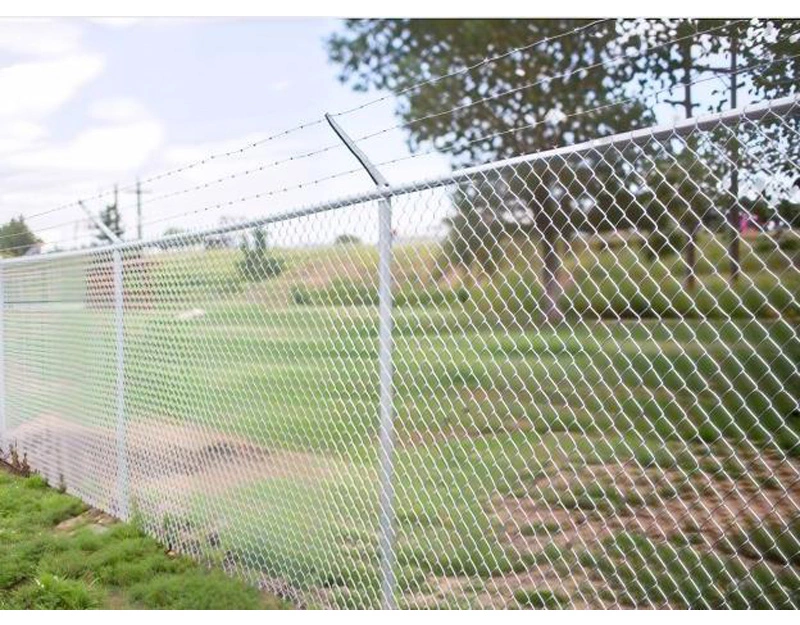
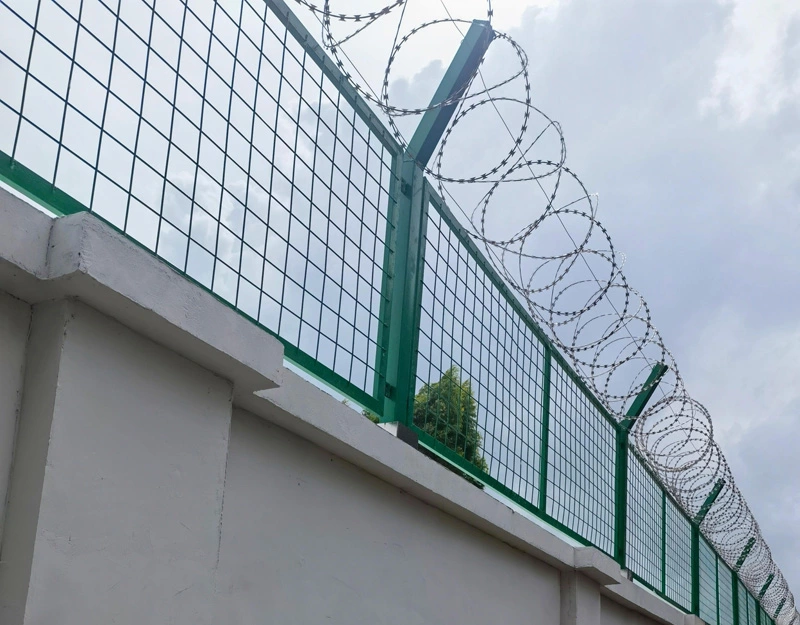
In recent years, the production of chain link fences in China has seen a significant shift towards more sustainable practices. This transformation is driven by both governmental policies and increasing consumer awareness about environmental issues. The industry is now focusing on reducing its carbon footprint, conserving resources, and minimizing waste. This report delves into the various sustainable practices being implemented in the production of chain link fences in China, highlighting key areas such as material sourcing, manufacturing processes, and end-of-life management. By adopting these practices, the chain link fence industry in China aims to achieve a more environmentally friendly and economically viable future.
The use of recycled materials is a cornerstone of sustainable production in the chain link fence industry. Many manufacturers in China are now incorporating recycled steel and other metals into their products. This not only reduces the demand for virgin materials but also helps in managing waste. Recycled steel can be sourced from various industries, including construction and automotive, ensuring a steady supply of high-quality materials.
Another important aspect of sustainable material sourcing is the use of eco-friendly coatings. Traditional coatings often contain harmful chemicals that can leach into the environment. In contrast, modern eco-friendly coatings are designed to be non-toxic and have minimal environmental impact. These coatings provide the same level of protection against corrosion and weathering while being safer for both the environment and human health.
Local sourcing of materials is another strategy that contributes to sustainability. By procuring materials from local suppliers, manufacturers can reduce transportation emissions and support the local economy. Additionally, local sourcing allows for better control over the quality and sustainability of the materials, ensuring that they meet the required standards for chain link fence production.
The adoption of advanced production technologies is crucial for improving energy efficiency in the manufacturing of chain link fences. Modern machinery and equipment, such as automated welding systems and energy-efficient furnaces, can significantly reduce energy consumption. These technologies not only lower operational costs but also minimize the environmental impact of the production process.
Effective waste management and recycling practices are essential for sustainable manufacturing. Manufacturers are implementing systems to collect and recycle scrap metal and other by-products generated during the production process. This not only reduces waste but also provides additional raw materials for future production. Furthermore, some companies are exploring ways to convert waste into energy, further enhancing their sustainability efforts.
The integration of renewable energy sources, such as solar and wind power, is becoming increasingly popular in the chain link fence industry. By generating their own clean energy, manufacturers can reduce their reliance on fossil fuels and lower their carbon footprint. Some facilities are even achieving net-zero emissions by combining renewable energy with energy-efficient practices, setting a new standard for sustainability in the industry.
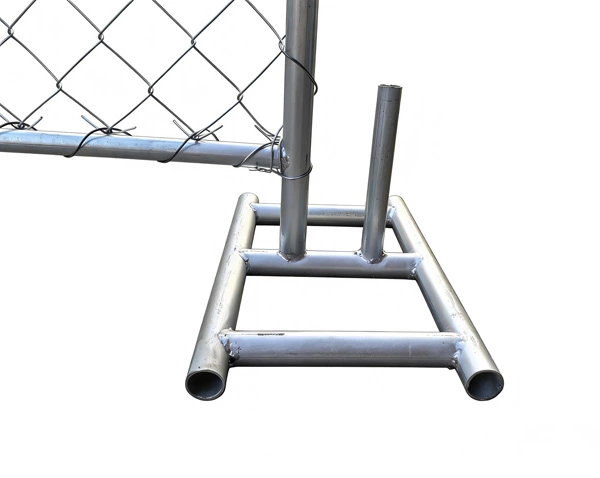
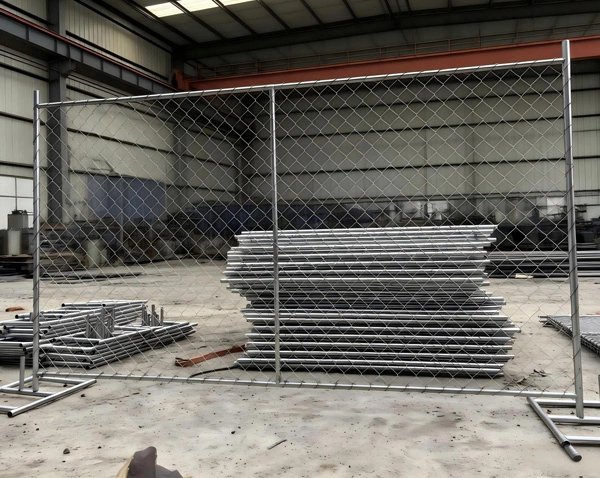
Designing chain link fences for disassembly and reuse is a key strategy for promoting a circular economy. Products that are easy to disassemble can be repurposed or recycled at the end of their life, reducing waste and conserving resources. Manufacturers are now designing fences with modular components that can be easily separated and reused, extending the product's lifecycle and minimizing environmental impact.
Product take-back programs are another important aspect of end-of-life management. These programs allow customers to return old or damaged chain link fences to the manufacturer for proper disposal or recycling. By offering these services, manufacturers can ensure that their products do not end up in landfills and that valuable materials are recovered and reused. This approach not only benefits the environment but also enhances customer satisfaction and loyalty.
Extended Producer Responsibility (EPR) is a policy framework that holds manufacturers accountable for the entire lifecycle of their products, including disposal. In China, EPR is gaining traction as a means of encouraging sustainable practices. Under EPR, manufacturers are responsible for the collection, treatment, and recycling of their products at the end of their life. This approach incentivizes companies to design products that are easier to recycle and to invest in efficient waste management systems, ultimately contributing to a more sustainable and circular economy.

Leave a Reply