

 English
 China
China Thailand
 Malaysia
 Vietnam
 Laos
Laos Cambodia
 Pilipinas
 Indonesia
 Russian
 Portuguese
 Arabic
 Japanese
 Spanish
 Italian
 French
 German
News
- Home
- News
- Company News
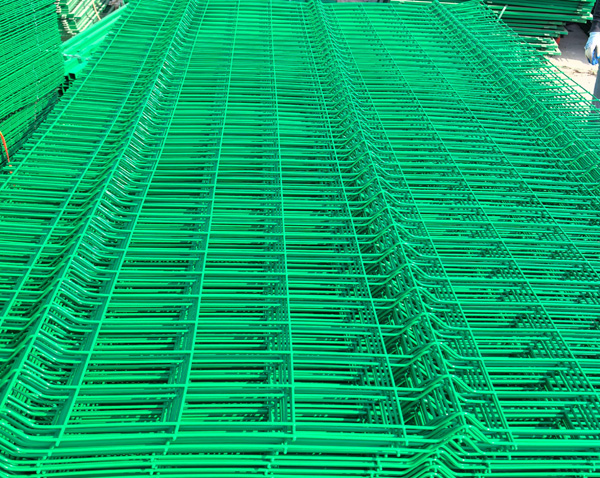
In recent years, the role of chain link fences in enhancing community safety within Chinese cities has become a subject of increasing interest. This report aims to explore how the installation and maintenance of chain link fences have impacted urban security, focusing on their effectiveness in deterring criminal activities, promoting a sense of community, and addressing concerns related to privacy and aesthetics. By examining case studies from various Chinese cities, this technical analysis will provide insights into the practical applications and potential drawbacks of using chain link fencing as a security measure. The discussion is structured around three main perspectives: the influence of these fences on crime prevention, their contribution to fostering communal bonds, and the broader implications for urban planning and design.
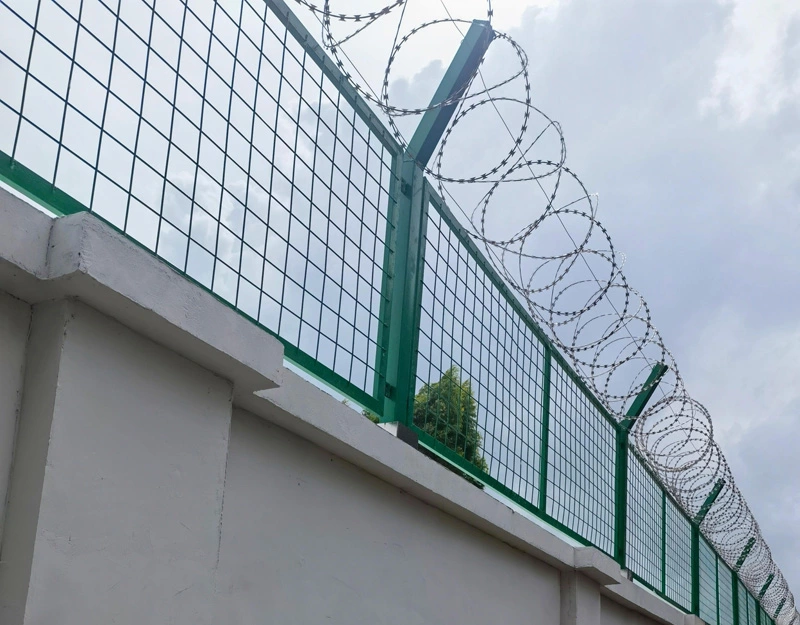
Chain link fences act as a physical barrier that can significantly reduce unauthorized access to private properties or public spaces. In many Chinese cities, where residential areas are often densely populated, such barriers play a crucial role in deterring potential intruders. Studies have shown that areas equipped with properly installed chain link fences experience lower rates of burglary and trespassing compared to those without such protective measures. This is partly because the presence of a fence increases the perceived difficulty and risk associated with entering a restricted area, thereby discouraging would-be offenders.
One advantage of chain link fences over solid walls is their transparency, which allows for better visibility both inside and outside the enclosed space. This feature makes it easier for residents, security personnel, and law enforcement to monitor activity around the perimeter, facilitating quicker response times in case of suspicious behavior. Additionally, clear sightlines enable the installation of surveillance cameras at strategic points, further enhancing the overall security infrastructure. As a result, communities surrounded by chain link fences may benefit from improved detection and deterrence against criminal activities.
Compared to other types of fencing materials, chain link fences offer a cost-effective solution for securing large areas. Their relatively low cost per unit length, combined with ease of installation and minimal maintenance requirements, makes them an attractive option for budget-conscious local governments and property owners. In China, where rapid urbanization has led to increased demand for affordable housing and public facilities, chain link fences provide a viable means of ensuring basic levels of security without placing undue financial strain on limited resources.
While primarily designed for security purposes, chain link fences can also serve as a platform for fostering social connections among community members. Unlike opaque barriers, they do not obstruct visual communication between neighbors, allowing for casual greetings and conversations across the divide. This subtle yet significant aspect of chain link fences contributes to creating a more open and inclusive environment, where people feel connected to one another despite living in close proximity. Such interactions form the basis for stronger interpersonal relationships and a greater sense of belonging within the neighborhood.
Another way in which chain link fences promote community cohesion is by providing a canvas for creative expression and collective action. Many Chinese neighborhoods have embraced the idea of transforming bland metal grids into vibrant murals or message boards, turning what could be seen as an eyesore into a source of pride and identity. These projects not only beautify the surroundings but also encourage participation from all age groups, including children, youth, and seniors, thus strengthening intergenerational ties and fostering a collaborative spirit among residents. Furthermore, such initiatives can help raise awareness about important local issues, such as environmental conservation or cultural heritage preservation, through visually engaging and thought-provoking displays.
Chain link fences can also play a part in supporting public safety campaigns by serving as temporary or permanent platforms for posting safety tips, emergency contact information, and other relevant messages. For instance, during times of natural disasters or health crises, these fences can quickly be utilized to disseminate critical information to a wide audience, ensuring that everyone stays informed and prepared. Similarly, regular updates on crime prevention strategies, fire safety guidelines, and first aid procedures can be displayed prominently along the fence line, reinforcing key messages and encouraging responsible behavior among community members. This dual function of chain link fences – as both a physical deterrent and an educational tool – underscores their value in promoting a safer and more resilient society.
Despite their practical benefits, chain link fences have sometimes been criticized for lacking aesthetic appeal, particularly when compared to more traditional forms of boundary markers like stone walls or wooden pickets. However, recent advancements in manufacturing technology have led to the development of more visually appealing options, such as colored vinyl coatings, decorative inserts, and even custom-designed patterns. These innovations allow for greater customization and personalization, enabling communities to choose designs that complement their architectural style and reflect their unique character. By incorporating elements of local culture or natural landscapes, modern chain link fences can contribute positively to the overall appearance of a neighborhood, while still fulfilling their primary function of providing security.
One of the main advantages of chain link fences is their ability to maintain clear sightlines, which is beneficial for surveillance and social interaction. However, this same characteristic can pose challenges when it comes to protecting individual privacy, especially in densely populated urban areas. To address this concern, some communities have experimented with hybrid solutions, combining sections of chain link with other materials, such as wood or composite panels, to create semi-transparent barriers that offer a degree of seclusion without compromising on safety. Another approach involves the use of plantings, such as hedges or climbing vines, to soften the look of the fence and add a layer of natural screening. These strategies demonstrate that it is possible to strike a balance between maintaining openness and respecting residents' need for privacy, thereby enhancing the livability of urban environments.
As the use of chain link fences continues to grow in popularity across Chinese cities, it becomes increasingly important to establish clear guidelines and best practices for their installation and upkeep. Local authorities should work closely with architects, urban planners, and community representatives to develop comprehensive standards that take into account factors such as height restrictions, material quality, and maintenance protocols. Moreover, there needs to be a concerted effort to educate the public about the proper use and care of chain link fences, emphasizing the importance of regular inspections and timely repairs to ensure long-term durability and effectiveness. By adopting a proactive and collaborative approach, stakeholders can maximize the benefits of chain link fencing while minimizing any potential negative impacts on the built environment and its inhabitants.







Leave a Reply