

 English
 China
China Thailand
 Malaysia
 Vietnam
 Laos
Laos Cambodia
 Pilipinas
 Indonesia
 Russian
 Portuguese
 Arabic
 Japanese
 Spanish
 Italian
 French
 German
News
- Home
- News
- Company News
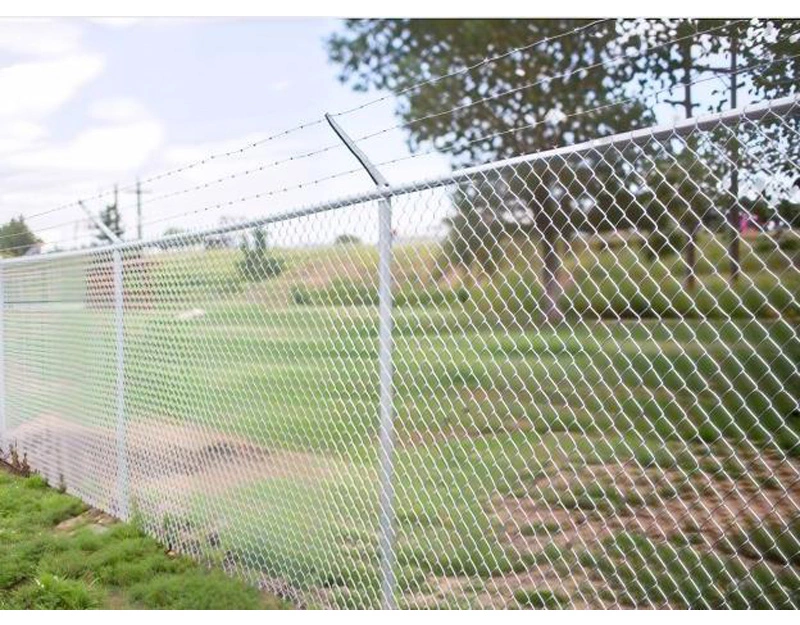
Chain link fence China, a term that encompasses not only the product but also the industry and its practices, has been undergoing significant transformations in recent years. The focus on sustainability is at the forefront of these changes, as manufacturers seek to balance economic growth with environmental responsibility. This report delves into the sustainable practices being adopted by the chain link fence manufacturing sector in China, highlighting key initiatives and their impacts.
The choice of materials plays a crucial role in determining the overall environmental footprint of any manufactured good. In the case of chain link fences, traditional materials such as galvanized steel wire have long dominated the market due to their durability and cost-effectiveness. However, the extraction and processing of raw materials, especially metals, are known to be resource-intensive and can lead to substantial carbon emissions. To address this, some forward-thinking manufacturers in China are exploring alternative materials that offer similar performance attributes while significantly reducing environmental impact. For instance, the use of recycled steel, which requires less energy compared to producing new steel from raw iron ore, is gaining traction. Additionally, there's an increasing interest in biodegradable or bio-based polymers that could serve as viable alternatives to metal components in certain applications, thereby lowering the end-of-life disposal concerns associated with conventional chain link fences.
Manufacturing processes, particularly those involving high-temperature operations like smelting and galvanizing, are major contributors to the energy consumption and greenhouse gas emissions of the chain link fence industry. Recognizing the need to mitigate these effects, many Chinese manufacturers are investing in advanced technologies designed to improve operational efficiency and reduce reliance on non-renewable energy sources. One such approach involves the adoption of more efficient heating systems and the implementation of waste heat recovery mechanisms, which help in recycling thermal energy back into the production process. Furthermore, the integration of renewable energy solutions, such as solar panels and wind turbines, directly into factory operations is becoming increasingly common. By harnessing clean, inexhaustible energy, companies can substantially decrease their carbon footprint and contribute positively to global efforts aimed at combating climate change.
Effective waste management is another critical aspect of sustainable manufacturing. In the context of chain link fence production, waste can arise from various stages including raw material preparation, fabrication, and finishing. Traditional methods often result in significant amounts of scrap material, which if not properly managed, can pose environmental hazards. To tackle this issue, progressive firms within the Chain link fence China industry are implementing comprehensive recycling programs. These programs aim to collect, sort, and reprocess waste materials, turning them into usable resources instead of landfill fodder. For example, leftover metal scraps can be melted down and reused, thus conserving natural resources and minimizing pollution. Moreover, by collaborating with local recycling facilities and engaging in closed-loop supply chain models, businesses can further enhance their sustainability credentials, ensuring that every component of the production cycle adheres to eco-friendly principles.
Beyond the direct environmental benefits, sustainable practices in the chain link fence manufacturing sector also encompass social dimensions. Engaging with local communities and promoting fair labor standards are essential components of a holistic sustainability strategy. Many Chinese manufacturers are now prioritizing worker safety, health, and well-being, recognizing that a motivated and healthy workforce is integral to achieving long-term business success. Investments in employee training programs, safe working conditions, and fair compensation not only foster a positive workplace culture but also contribute to the socio-economic development of surrounding areas. Furthermore, through partnerships with educational institutions and community organizations, companies can play a vital role in raising awareness about environmental issues and encouraging responsible consumer behavior. Such initiatives not only strengthen corporate reputation but also pave the way for a more inclusive and sustainable future.
The journey towards sustainability in the Chain link fence China industry is marked by continuous innovation, collaboration, and a commitment to making a positive difference. By adopting greener materials, optimizing energy use, managing waste effectively, and fostering strong community ties, manufacturers are setting a new standard for responsible business practices. As the global demand for environmentally friendly products continues to grow, it is clear that those who embrace sustainability will not only meet regulatory requirements and consumer expectations but will also secure a competitive advantage in an ever-evolving market. The ongoing efforts to integrate sustainable practices into the core of the chain link fence manufacturing process represent a promising step towards a greener, more resilient future for all stakeholders involved.



Leave a Reply