

 English
 China
China Thailand
 Malaysia
 Vietnam
 Laos
Laos Cambodia
 Pilipinas
 Indonesia
 Russian
 Portuguese
 Arabic
 Japanese
 Spanish
 Italian
 French
 German
News
- Home
- News
- Company News
In today's world, ensuring the security of a property, whether residential, commercial, or industrial, is paramount. One of the most effective ways to achieve this is through the installation of fencing. This technical report delves into the selection process for cost-effective security fencing solutions, focusing on the criteria that should be considered when choosing fencing materials for security. By carefully evaluating these factors, stakeholders can make informed decisions that not only enhance security but also align with budgetary constraints.
Security fencing serves as the first line of defense against unauthorized access and potential threats. It not only deters intruders but also provides a clear demarcation of boundaries, enhancing overall safety. When selecting security fencing, it is crucial to consider the specific needs of the site, such as the level of security required, environmental conditions, and aesthetic preferences. A well-chosen fence can significantly reduce the risk of theft, vandalism, and other security breaches, thereby protecting assets and ensuring peace of mind.
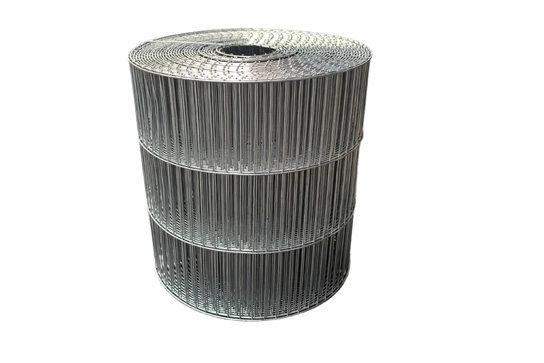
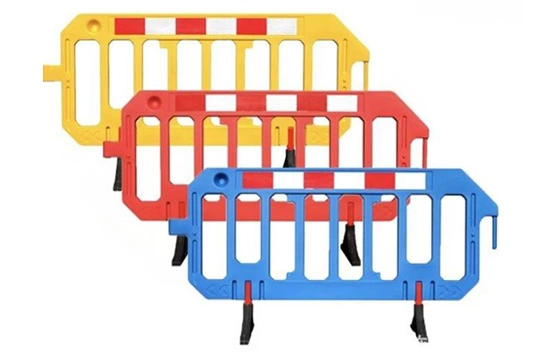
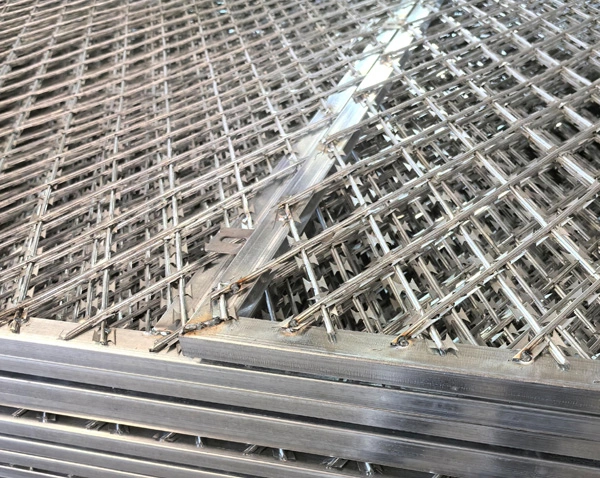
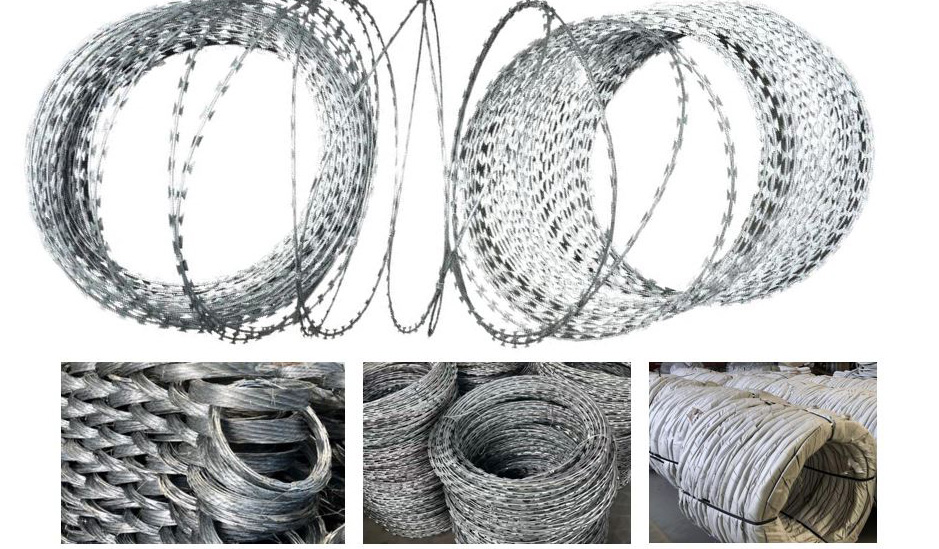
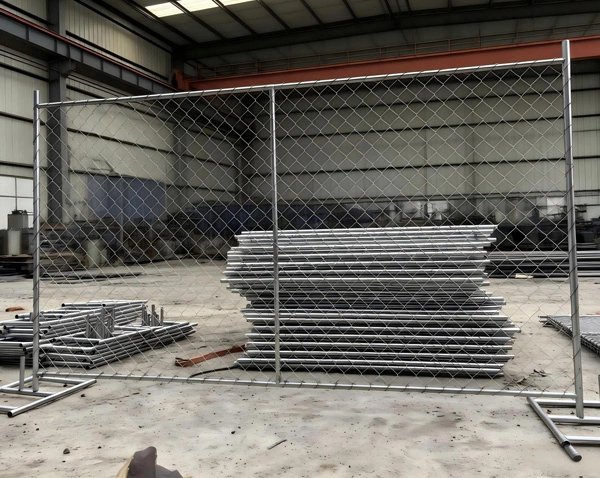
The choice of fencing materials for security is a critical factor in determining the effectiveness and longevity of the fence. Common materials include chain link, wrought iron, aluminum, wood, and composite materials. Each material has its own set of advantages and disadvantages, which must be weighed against the specific requirements of the project.
When selecting a security fencing solution, it is essential to balance the initial cost with long-term value. Factors such as material quality, installation complexity, and maintenance requirements all contribute to the total cost of ownership. High-quality materials may have a higher upfront cost but can save money in the long run by reducing maintenance and replacement expenses. Additionally, some materials may qualify for insurance discounts due to their enhanced security features, further offsetting the initial investment.
It is also important to consider the installation process. Some materials, such as chain link, are relatively straightforward to install, which can reduce labor costs. Others, like wrought iron, may require specialized skills and tools, increasing the installation expense. Consulting with a professional installer can help in understanding the full scope of the project and identifying potential cost-saving measures.
The environmental conditions and local regulations of the area where the fence will be installed play a significant role in the selection process. Factors such as climate, soil type, and topography can affect the durability and performance of different fencing materials. For example, areas with high humidity and salt exposure may require materials that are resistant to corrosion, such as aluminum or composite fencing.
Local building codes and zoning laws must also be considered. These regulations may dictate the height, design, and placement of the fence, as well as any required permits. Non-compliance can result in fines and the need for costly modifications. Therefore, it is advisable to consult with local authorities and obtain the necessary approvals before proceeding with the installation.
Selecting the right fencing materials for security is a multifaceted decision that involves evaluating the specific needs of the property, the characteristics of the available materials, and the associated costs. By carefully considering these factors, stakeholders can choose a security fencing solution that provides the necessary protection while remaining within budget. Whether the priority is durability, aesthetics, or ease of maintenance, there is a fencing option that can meet these requirements and enhance the overall security of the property.


Leave a Reply