

 English
 China
China Thailand
 Malaysia
 Vietnam
 Laos
Laos Cambodia
 Pilipinas
 Indonesia
 Russian
 Portuguese
 Arabic
 Japanese
 Spanish
 Italian
 French
 German
News
- Home
- News
- Company News
Property security is a critical concern for homeowners, businesses, and institutions alike. One of the most effective ways to enhance property security is through the use of durable fencing materials. This report explores the impact of durable fencing on property security, highlighting the benefits and considerations associated with various types of fencing materials.
Durable fencing serves as a first line of defense against unauthorized access and potential intruders. It not only acts as a physical barrier but also provides a psychological deterrent. When selecting fencing materials for security, it is essential to consider factors such as strength, durability, and resistance to weather and vandalism. A well-constructed fence can significantly reduce the risk of break-ins and other security threats.
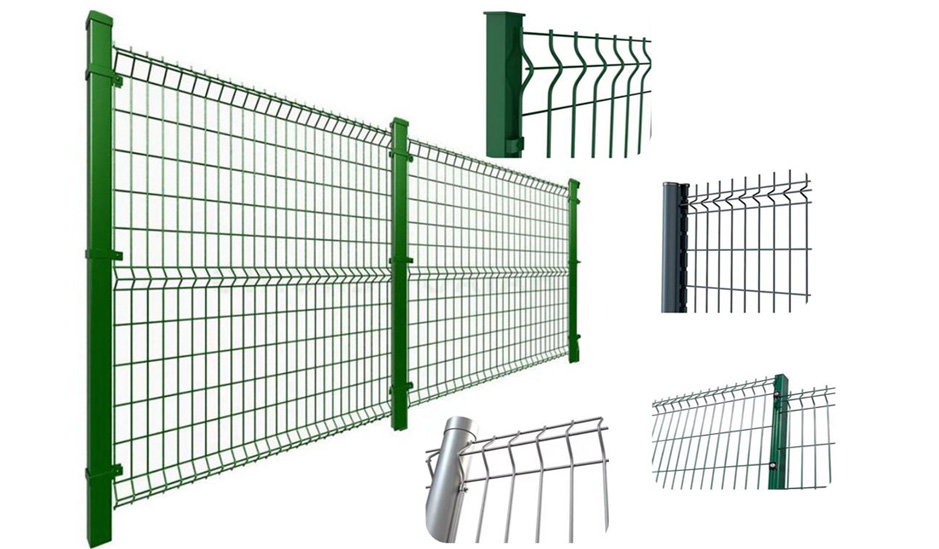
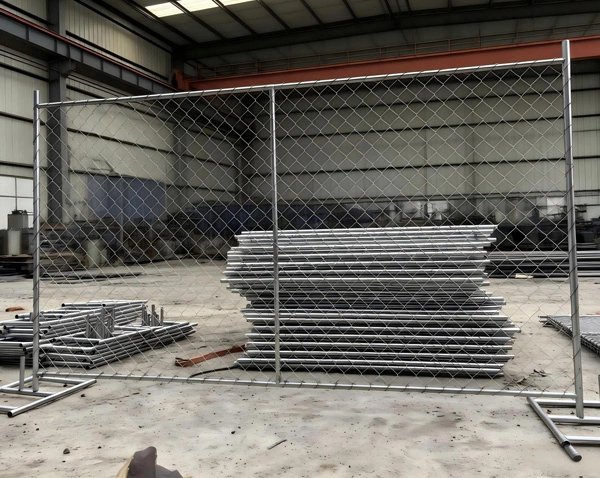
Choosing the right material for your security fence is crucial. Common options include steel, aluminum, wood, and composite materials. Each material has its own set of advantages and disadvantages. Steel, for example, is highly durable and resistant to tampering, making it an excellent choice for high-security applications. Aluminum, while lighter and more corrosion-resistant, may not offer the same level of strength. Wood fences, although aesthetically pleasing, require regular maintenance and are more susceptible to damage from the elements. Composite materials, on the other hand, combine the best features of multiple materials, offering both durability and low maintenance.
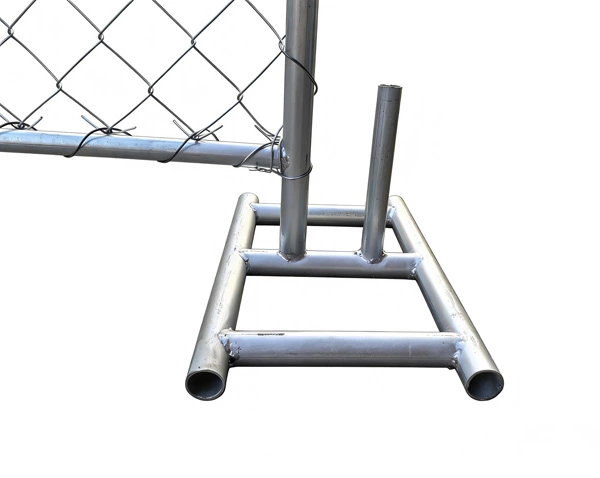
Proper installation and regular maintenance are key to ensuring the long-term effectiveness of a security fence. Installation should be carried out by professionals who understand the specific requirements of the chosen material. For instance, steel fences often require concrete footings to provide stability, while wooden fences need to be properly treated to prevent rot and insect infestation. Regular inspections and maintenance, such as repainting or replacing damaged sections, are essential to keep the fence in optimal condition. Neglecting these tasks can lead to vulnerabilities that compromise the overall security of the property.
While a durable fence is a significant component of property security, it is most effective when integrated with other security measures. This can include surveillance cameras, motion sensors, and alarm systems. The combination of these technologies creates a multi-layered security system that deters potential intruders and alerts property owners to any suspicious activity. Additionally, lighting can be used to enhance visibility and further deter intruders. By combining a strong, durable fence with these additional security measures, property owners can create a comprehensive security solution that maximizes protection.
Investing in durable fencing materials can be a significant financial commitment, but the long-term benefits often outweigh the initial costs. High-quality fencing materials, such as steel and composite, have a longer lifespan and require less maintenance, leading to cost savings over time. Moreover, the enhanced security provided by a durable fence can result in lower insurance premiums and reduced risk of property damage and theft. Conducting a thorough cost-benefit analysis, including the potential long-term savings and the peace of mind that comes with increased security, can help property owners make an informed decision about their fencing needs.
In conclusion, the impact of durable fencing on property security is substantial. By carefully selecting the appropriate materials, ensuring proper installation and maintenance, and integrating the fence with other security measures, property owners can create a robust and effective security system. The investment in durable fencing not only enhances the physical security of the property but also provides long-term financial and psychological benefits.

Leave a Reply