

 English
 China
China Thailand
 Malaysia
 Vietnam
 Laos
Laos Cambodia
 Pilipinas
 Indonesia
 Russian
 Portuguese
 Arabic
 Japanese
 Spanish
 Italian
 French
 German
News
- Home
- News
- Company News
When it comes to securing a property, the choice of fencing materials for security plays a crucial role. This technical report aims to provide an in-depth analysis of various types of fencing materials, focusing on their strength and reliability. By evaluating these aspects, we can better understand which material is most suitable for different security needs.
The primary function of any security fence is to deter unauthorized access and protect the enclosed area. For this reason, the material's strength is a critical factor. Stronger materials are generally more effective at preventing breaches. However, not all strong materials are equally reliable. Some may be susceptible to corrosion or wear over time, reducing their effectiveness. Therefore, when selecting fencing materials for security, one must consider both immediate and long-term strength.
Steel, for example, is known for its robustness and ability to withstand significant force. It is often used in high-security applications such as military bases and prisons. On the other hand, aluminum, while lighter and less prone to rust, might not offer the same level of protection against physical attacks. Understanding these differences is key to making an informed decision.
Another important aspect to evaluate when choosing fencing materials for security is durability. A durable fence will last longer and require less maintenance, providing a more cost-effective solution in the long run. Materials like vinyl and composite wood are popular choices for residential areas due to their resistance to weathering and minimal upkeep. They do not rot, splinter, or warp, making them ideal for regions with harsh climatic conditions.
However, these materials have limitations in terms of strength compared to metal options. While they excel in low-impact environments, they may not be suitable for high-risk areas where the fence could be subjected to heavy forces. In such cases, reinforced concrete or steel fences, despite their higher initial costs and maintenance requirements, prove to be more reliable options.
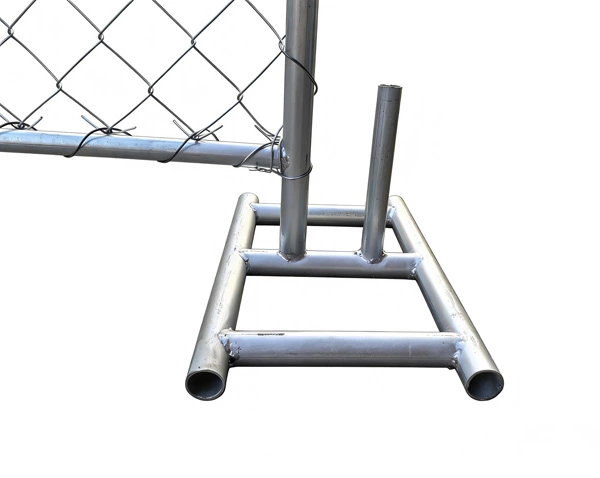
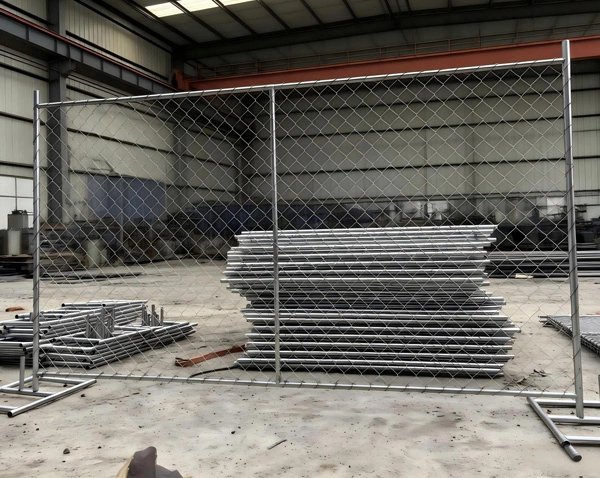
Budget constraints and installation ease are also significant considerations when selecting fencing materials for security. Some materials, such as chain-link fences, are relatively inexpensive and easy to install, making them a common choice for many properties. Chain-link fences, however, offer limited privacy and aesthetic appeal, which might not be desirable for all users.
For those seeking a balance between security, aesthetics, and cost, ornamental iron fences present an attractive option. These fences combine the strength of metal with decorative elements, enhancing the visual appeal of the property. Although they tend to be pricier than chain-link fences, their longevity and lower maintenance requirements can make them a cost-effective solution over time. Additionally, advancements in manufacturing techniques have made it easier to customize and install these fences, further increasing their attractiveness.
In conclusion, the selection of fencing materials for security should be based on a comprehensive evaluation of several factors including strength, durability, maintenance requirements, cost, and installation complexity. Each material has its own set of advantages and disadvantages, and the best choice depends on the specific security needs and environmental conditions of the site. By carefully considering these aspects, property owners can ensure that their chosen fencing material provides the necessary level of security, longevity, and value for money.
Leave a Reply