

 English
 China
China Thailand
 Malaysia
 Vietnam
 Laos
Laos Cambodia
 Pilipinas
 Indonesia
 Russian
 Portuguese
 Arabic
 Japanese
 Spanish
 Italian
 French
 German
News
- Home
- News
- Company News
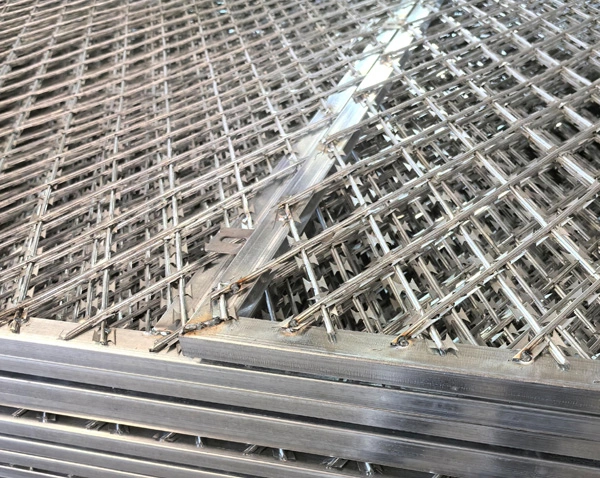
Hot dipped galvanized Razor wire, also known as concertina wire, is a type of fencing material that has been widely adopted for perimeter security. It consists of sharp-edged coils made from Steel Wire which are then coated with zinc through a process called hot-dip galvanization. This method not only increases the wire's resistance to corrosion but also enhances its overall durability, making it an ideal choice for outdoor applications where exposure to the elements is inevitable.
The primary advantage of using hot dipped Galvanized razor wire lies in its formidable deterrent effect against unauthorized access. Its intimidating appearance and physical barrier properties make it exceptionally effective at deterring would-be intruders. Additionally, the galvanization process ensures that the wire can withstand harsh weather conditions without rusting or deteriorating, thereby extending its service life significantly.
When selecting hot dipped galvanized razor wire for your perimeter protection needs, several factors must be considered to ensure you choose the most suitable option. These include the level of security required, environmental conditions, and budget constraints. For high-security areas such as military installations or critical infrastructure, opting for heavier gauge wires with more robust construction may be necessary. In contrast, lighter options might suffice for residential or commercial properties seeking basic protection.
Another crucial aspect to consider is the climate of the area where the wire will be installed. Coastal regions, for instance, experience higher levels of humidity and salt spray, which can accelerate corrosion. In such cases, choosing a wire with a thicker zinc coating or even considering additional protective measures like applying a topcoat of paint could help mitigate these effects. Lastly, while cost is always a factor, investing in quality materials upfront often proves more economical in the long run by reducing maintenance and replacement costs.
Proper installation is key to maximizing the effectiveness and longevity of hot dipped galvanized razor wire. The first step involves carefully planning the layout based on the specific requirements of the site. This includes determining the height and spacing of the wire, as well as identifying any potential obstacles or vulnerabilities that need to be addressed. Once the plan is finalized, the next phase entails preparing the ground and setting up support structures such as posts or walls to which the wire will be attached.
It is essential to use appropriate tools and techniques during the installation process to avoid damaging the wire or compromising its integrity. Specialized gloves and safety gear should be worn to protect against cuts and injuries. Furthermore, regular inspections and maintenance checks are recommended to identify and address any issues promptly. By following these best practices, one can ensure that the hot dipped galvanized razor wire remains an effective and reliable solution for perimeter protection over time.
To keep your hot dipped galvanized razor wire system functioning optimally, regular maintenance and inspection are indispensable. Over time, even the most durable materials can suffer wear and tear due to constant exposure to the elements. Therefore, scheduling periodic check-ups allows for early detection of problems such as loose connections, broken strands, or signs of corrosion. Addressing these issues promptly helps prevent further damage and extends the lifespan of the entire system.
During inspections, pay close attention to areas where the wire comes into contact with supports or other surfaces, as these points are more susceptible to wear. If any sections appear damaged or weakened, they should be repaired or replaced immediately. Additionally, keeping the surrounding area clean and free from debris can also contribute to the wire's longevity. By adhering to a consistent maintenance schedule, property owners can rest assured knowing their perimeter security remains strong and secure.
While hot dipped galvanized razor wire offers numerous benefits in terms of security, it is important to consider both legal and ethical implications before implementing such a system. Many jurisdictions have regulations governing the use of razor wire, particularly regarding its placement and visibility. For example, some laws stipulate that razor wire must not be positioned in a way that poses a risk to passersby or public safety. Violating these rules can result in fines or other penalties, so it is crucial to familiarize oneself with local ordinances prior to installation.
From an ethical standpoint, it is equally important to weigh the potential consequences of using such a potentially hazardous material. While the primary goal is to protect one's property, it is vital to do so in a manner that does not unnecessarily endanger others. This might involve exploring alternative security solutions or incorporating additional safety features, such as warning signs or barriers, to minimize the risk of accidental injury. By taking these considerations into account, individuals and organizations can responsibly utilize hot dipped galvanized razor wire to enhance their perimeter protection while upholding community standards and values.
Leave a Reply