

 English
 China
China Thailand
 Malaysia
 Vietnam
 Laos
Laos Cambodia
 Pilipinas
 Indonesia
 Russian
 Portuguese
 Arabic
 Japanese
 Spanish
 Italian
 French
 German
News
- Home
- News
- Company News
Fencing plays a crucial role in enhancing the security of both residential and commercial properties. The choice of fencing materials for security is not just about aesthetics; it's also about ensuring that the selected material can withstand potential threats while providing a long-lasting solution. This report aims to guide readers through the process of selecting the right fencing materials for enhanced security, focusing on durability, cost-effectiveness, and aesthetic appeal.
Before diving into the selection of fencing materials for security, it's essential to conduct a thorough assessment of your property's specific security requirements. Factors such as the location, size, and layout of your property, along with the surrounding environment, play a significant role in determining what type of fencing will be most effective. For instance, a property located in an area with high crime rates may require a more robust and less penetrable fence compared to one situated in a low-risk zone. Additionally, considering whether the fence needs to serve as a physical barrier against intruders or if it's primarily for privacy purposes can help narrow down the options. It's recommended to consult with local law enforcement or a security expert to get a clearer picture of the types of threats prevalent in your area and how best to mitigate them through fencing choices.
The longevity and maintenance demands of different fencing materials are critical factors when choosing the right option for enhanced security. Materials like steel and aluminum are known for their strength and resistance to weather conditions, making them ideal for areas prone to harsh climates. On the other hand, wood, although aesthetically pleasing and versatile, requires regular maintenance, including painting or staining, to prevent rot and insect damage. Composite fences offer a balance between the two, combining the natural look of wood with the durability and low-maintenance characteristics of synthetic materials. When evaluating these options, consider not only the initial installation cost but also the long-term expenses associated with upkeep. A fence that requires frequent repairs or replacements might end up being more costly over time than a more expensive but durable alternative. Moreover, the ability of a fence material to resist vandalism, such as graffiti, should also be taken into account, especially in urban settings where this issue is more common.
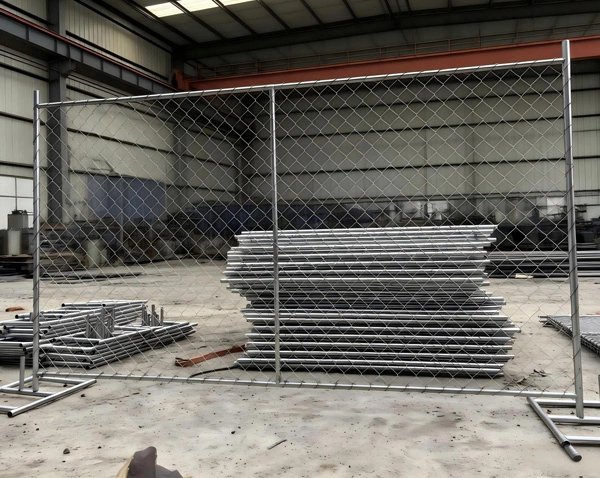
While the primary goal is to enhance security, budget constraints often influence the final decision on which fencing material to use. It's important to strike a balance between the level of security needed and the financial resources available. Chain-link fences, for example, provide a cost-effective solution for many applications, offering good visibility and security at a lower price point. However, they may not match the aesthetic preferences of all homeowners or businesses. In contrast, ornamental iron fences, while more expensive, add a touch of elegance and sophistication to any property while still delivering robust security features. Another factor to consider is the potential return on investment (ROI) from installing a particular type of fence. Some high-quality materials, despite their higher upfront costs, can increase the value of a property, potentially offsetting the initial expense over time. Furthermore, exploring financing options or phased installation plans can make even the pricier, more secure fencing solutions accessible within a limited budget. Lastly, don't overlook the importance of professional installation, as improper setup can compromise the effectiveness of even the best fencing materials, leading to additional costs down the line.
Another key aspect to consider when selecting fencing materials for security is compliance with local building codes, zoning laws, and homeowner association (HOA) regulations. These rules can dictate everything from the maximum height of the fence to the allowed materials and styles. Failing to adhere to these guidelines can result in fines, legal disputes, or even the forced removal of the fence. Therefore, before making a final decision, it's crucial to familiarize yourself with the relevant ordinances and obtain any necessary permits. Consulting with a knowledgeable contractor who is well-versed in local regulations can be invaluable in this process. They can provide guidance on navigating the permitting process and suggest modifications to your design that align with the stipulated standards without compromising the intended security benefits. Additionally, keeping abreast of changes to these regulations, as they can evolve over time, ensures that your chosen fencing solution remains compliant throughout its lifespan.
Selecting the appropriate fencing materials for security involves a careful evaluation of multiple factors, including the specific security needs of the property, the durability and maintenance requirements of various materials, budget considerations, and adherence to local regulations. By taking a comprehensive approach to this decision, property owners can achieve a balance between enhancing security, maintaining aesthetic appeal, and ensuring practical functionality. Ultimately, the right fencing material will not only protect your property but also contribute positively to its overall value and appearance. Investing time in research and consultation with experts during the planning phase can lead to a more informed and satisfying outcome, ensuring that your chosen fencing solution meets all your security and stylistic objectives effectively.


Leave a Reply