

 English
 China
China Thailand
 Malaysia
 Vietnam
 Laos
Laos Cambodia
 Pilipinas
 Indonesia
 Russian
 Portuguese
 Arabic
 Japanese
 Spanish
 Italian
 French
 German
News
- Home
- News
- Company News
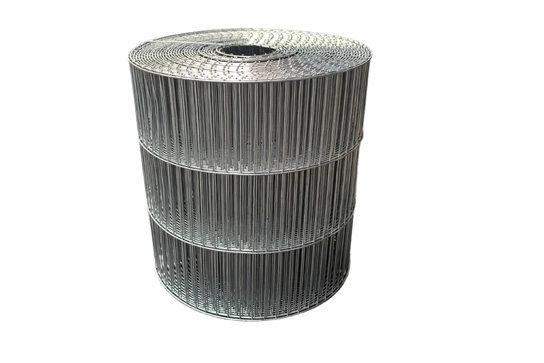
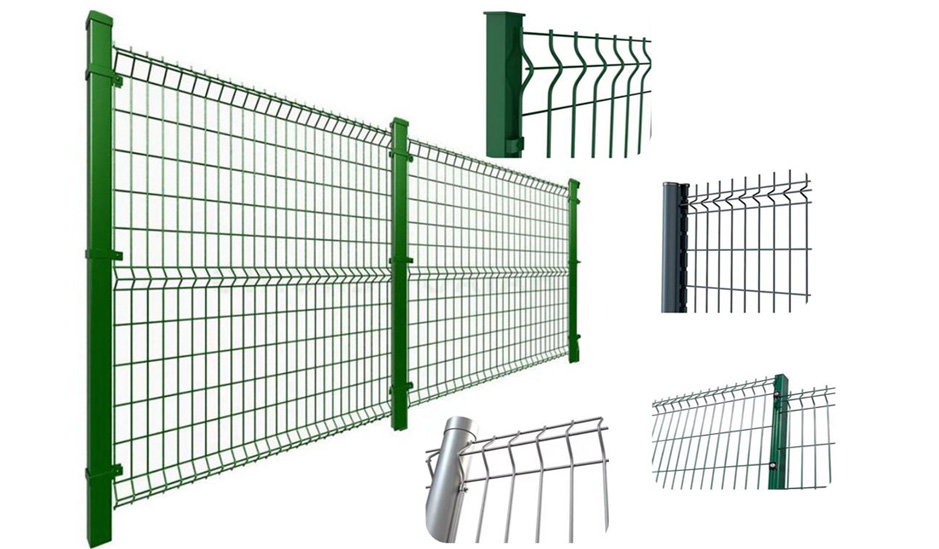
Corrosion-resistant wire panels are essential components in many industrial, agricultural, and residential applications. These materials not only provide a durable solution but also enhance the longevity of structures exposed to harsh environmental conditions. In this report, we will explore the key considerations for selecting and using corrosion-resistant wire panels, providing expert advice to ensure optimal performance and durability.
When it comes with choosing the appropriate material for corrosion resistant wire panels, several options are available, each with its own set of advantages and limitations. The most common materials include stainless steel, galvanized steel, and aluminum. Stainless steel is highly resistant to corrosion and is suitable for environments with high exposure to moisture and chemicals. Galvanized steel, coated with a layer of zinc, offers good protection against rust and is cost-effective. Aluminum, being lightweight and naturally resistant to corrosion, is ideal for applications where weight is a concern.
To make an informed decision, it's crucial to assess the specific environmental conditions and the intended use of the wire panels. For instance, if the panels will be used in a marine environment, stainless steel or specially treated aluminum would be more appropriate. In contrast, for general outdoor use, galvanized steel might suffice.
Corrosion is a natural process that degrades metal over time, leading to structural failures and safety hazards. It occurs when metal reacts with its environment, typically through oxidation. Understanding the different types of corrosion, such as uniform corrosion, pitting, and crevice corrosion, is vital for selecting the right type of corrosion resistant wire panels. Uniform corrosion affects the entire surface of the metal, while pitting and crevice corrosion are localized and can be more severe.
Environmental factors, such as humidity, temperature, and the presence of corrosive substances, play a significant role in the rate of corrosion. By understanding these mechanisms, you can choose the most suitable material and take preventive measures to extend the lifespan of the wire panels.
Proper installation and maintenance are critical for ensuring the long-term performance of corrosion resistant wire panels. During installation, it's important to follow the manufacturer's guidelines and use appropriate tools and techniques. This includes ensuring that the panels are securely fastened and that there are no gaps or overlaps that could trap moisture and accelerate corrosion.
Maintenance should involve regular inspections to identify any signs of wear or damage. Cleaning the panels with a mild detergent and water can help remove dirt and debris, which can contribute to corrosion. Additionally, applying a protective coating or sealant can further enhance the panels' resistance to environmental factors.
While the initial cost of corrosion resistant wire panels may be higher than that of standard wire panels, the long-term benefits often justify the investment. Corrosion-resistant materials reduce the need for frequent replacements and repairs, resulting in lower maintenance costs over time. Moreover, the extended lifespan of these panels means that they can withstand harsh conditions for longer, providing a more reliable and durable solution.
When evaluating the cost-effectiveness, consider the total cost of ownership, including the initial purchase price, installation costs, and ongoing maintenance expenses. Factoring in the potential savings from reduced maintenance and the value of enhanced durability will help you make a well-informed decision.
Choosing corrosion resistant wire panels also has environmental implications. Some materials, such as stainless steel, are recyclable and have a lower environmental impact compared to other metals. Additionally, by extending the lifespan of the panels, you reduce the frequency of replacements, thereby minimizing waste and resource consumption.
It's also important to consider the manufacturing processes and the environmental footprint of the chosen material. Opting for materials produced through sustainable practices can further enhance the overall environmental benefits of using corrosion-resistant wire panels.
In conclusion, selecting and using corrosion resistant wire panels requires a comprehensive understanding of the available materials, corrosion mechanisms, installation and maintenance best practices, cost-effectiveness, and environmental considerations. By following the expert advice provided in this report, you can ensure that your wire panels provide a durable, reliable, and environmentally friendly solution for your specific application.
Leave a Reply