

 English
 China
China Thailand
 Malaysia
 Vietnam
 Laos
Laos Cambodia
 Pilipinas
 Indonesia
 Russian
 Portuguese
 Arabic
 Japanese
 Spanish
 Italian
 French
 German
News
- Home
- News
- Company News
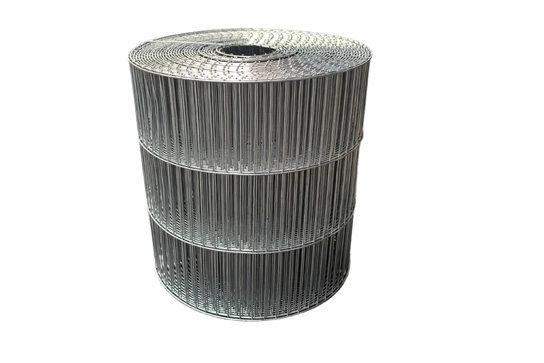
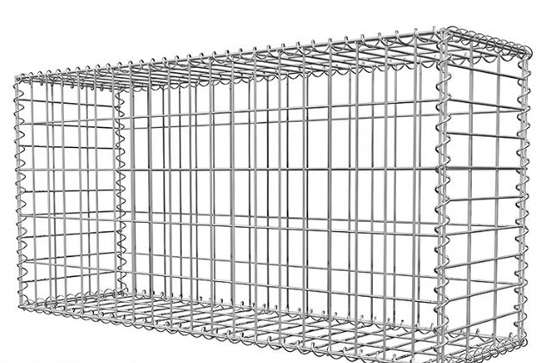
Corrosion-resistant wire panels have become an essential component in a wide range of industries, from construction to marine, due to their durability and resistance to environmental factors. These materials are designed to withstand harsh conditions, making them a preferred choice for applications that demand high performance and longevity. This report explores the versatility of corrosion-resistant wire panels across various sectors, highlighting key benefits and applications.
When it comes to selecting materials for use in environments prone to corrosion, such as coastal areas or industrial settings, choosing the right type of material is crucial. Corrosion-resistant wire panels are typically made from stainless steel, galvanized steel, or other alloys that offer superior protection against rust and degradation. Stainless steel, for example, contains chromium which forms a protective layer on the surface, preventing oxygen and moisture from penetrating and causing corrosion. This makes it an ideal choice for outdoor structures, fencing, and security applications where exposure to the elements is inevitable.
Galvanized steel, another popular option, is coated with a layer of zinc, providing a barrier between the metal and the environment. The zinc coating not only resists corrosion but also has self-healing properties, meaning that if the panel is scratched or damaged, the zinc will form a new protective layer over the exposed area. This feature significantly extends the lifespan of the wire panels, reducing maintenance costs and ensuring long-term reliability.
In the construction industry, corrosion-resistant wire panels play a vital role in enhancing the structural integrity and aesthetic appeal of buildings. They are commonly used in the fabrication of balconies, staircases, and railings, where they provide both safety and visual appeal. For instance, stainless Steel Wire panels can be used to create sleek, modern-looking railings that complement contemporary architectural designs while offering robust protection against corrosion.
Moreover, these panels are also employed in the construction of parking garages, bridges, and other infrastructure projects. In parking garages, for example, wire panels can be used to create secure and durable partitions, ensuring that vehicles are protected from theft and vandalism. The corrosion-resistant properties of these materials ensure that the panels remain in good condition even when exposed to salt, chemicals, and other corrosive substances commonly found in urban environments.
Industrial facilities, such as factories, warehouses, and chemical plants, often require robust and reliable materials to ensure the safety and security of workers and equipment. Corrosion-resistant wire panels are extensively used in these settings to create secure enclosures, partitions, and barriers. For example, in chemical plants, wire panels can be used to create containment areas for hazardous materials, preventing leaks and spills from spreading and causing further damage.
Additionally, these panels are also used in the construction of machine guards and safety fences, protecting workers from potential hazards. The durability and corrosion resistance of these materials make them well-suited for use in environments where they may be exposed to harsh chemicals, extreme temperatures, and other challenging conditions. By using corrosion-resistant wire panels, industrial facilities can enhance their safety protocols and reduce the risk of accidents and injuries.
Marine environments are particularly challenging for materials due to the constant exposure to saltwater, humidity, and UV radiation. Corrosion-resistant wire panels have proven to be highly effective in these settings, making them a popular choice for a variety of marine applications. For instance, they are used in the construction of boat docks, marinas, and offshore platforms, where they provide structural support and protection against the corrosive effects of seawater.
Coastal regions also benefit from the use of corrosion-resistant wire panels in the construction of seawalls, breakwaters, and other coastal protection structures. These panels can be used to reinforce existing structures or to create new ones, helping to prevent erosion and protect coastal communities from storm surges and flooding. The ability of these materials to withstand the harsh marine environment makes them an invaluable asset in coastal engineering and construction.
Beyond their practical applications, corrosion-resistant wire panels also offer significant environmental benefits. By extending the lifespan of structures and reducing the need for frequent replacements, these materials contribute to a more sustainable approach to construction and infrastructure development. Additionally, many types of corrosion-resistant wire panels, such as those made from stainless steel, are recyclable, further reducing their environmental impact.
Furthermore, the use of corrosion-resistant wire panels can help to minimize the release of harmful substances into the environment. For example, in industrial settings, these panels can be used to contain and manage hazardous waste, preventing it from contaminating soil and water sources. This not only protects the environment but also ensures compliance with regulatory standards and reduces the risk of fines and legal liabilities.
In conclusion, corrosion-resistant wire panels have demonstrated their value across a wide range of industries, from construction and infrastructure to marine and industrial applications. Their durability, resistance to corrosion, and versatility make them an indispensable tool for engineers, architects, and builders. As the demand for sustainable and long-lasting materials continues to grow, the importance of corrosion-resistant wire panels is likely to increase, driving further innovation and development in this field.
Leave a Reply