

 English
 China
China Thailand
 Malaysia
 Vietnam
 Laos
Laos Cambodia
 Pilipinas
 Indonesia
 Russian
 Portuguese
 Arabic
 Japanese
 Spanish
 Italian
 French
 German
News
- Home
- News
- Company News
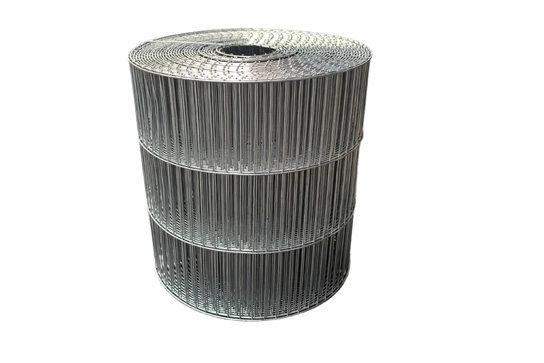
Galvanized Steel Welded Mesh has long been a staple material in construction, agriculture, and industrial applications due to its durability, corrosion resistance, and versatility. Recent advancements in the manufacturing and treatment processes of galvanized steel welded mesh have led to significant improvements in its performance. This report explores several key innovations that are enhancing the properties and expanding the applications of this versatile material.
One of the most critical aspects of galvanized steel welded mesh is its ability to withstand corrosive environments. Traditional hot-dip galvanizing, while effective, has limitations in terms of uniformity and longevity. New surface treatments, such as zinc-aluminum alloy coatings, have shown superior corrosion resistance compared to conventional zinc coatings. These alloys, which typically contain 5-11% aluminum, form a more stable and durable protective layer on the steel surface. The result is a longer-lasting product that can better withstand harsh environmental conditions, including exposure to saltwater, chemicals, and extreme temperatures. Additionally, these advanced coatings can be applied using more environmentally friendly processes, reducing the overall ecological impact of the manufacturing process.
The strength and reliability of galvanized steel welded mesh depend heavily on the quality of the welds. Conventional welding methods, such as resistance spot welding, have been the standard for many years. However, recent advancements in welding technology, including laser welding and ultrasonic welding, offer significant improvements in weld quality and consistency. Laser welding, for example, provides a highly focused and precise heat source, resulting in stronger and more uniform welds. This technique also minimizes the heat-affected zone, reducing the risk of thermal distortion and improving the overall structural integrity of the mesh. Ultrasonic welding, on the other hand, uses high-frequency vibrations to join the metal, creating a solid-state bond without the need for additional filler materials. This method is particularly advantageous for thin-gauge materials, where traditional welding techniques may be less effective. The adoption of these advanced welding techniques not only enhances the mechanical properties of the mesh but also increases its lifespan and reduces maintenance requirements.
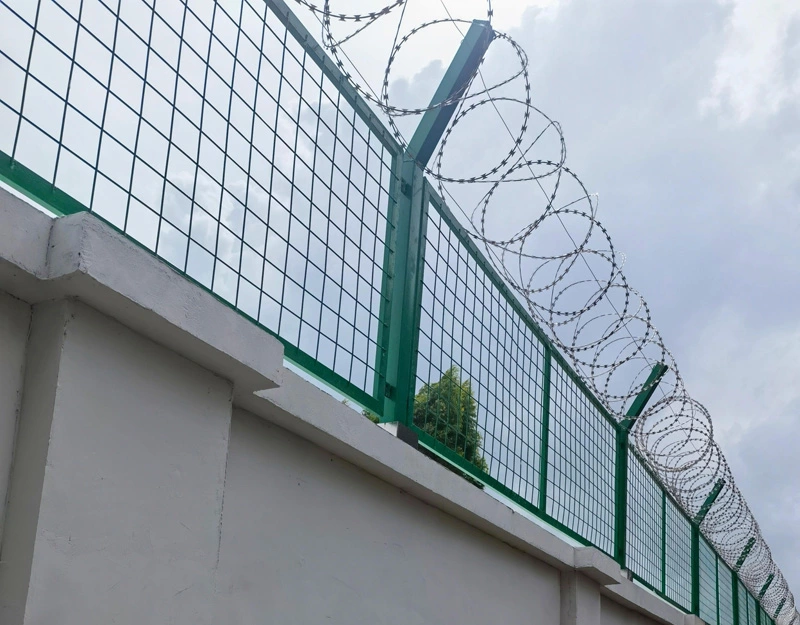
Another area of innovation in galvanized steel welded mesh is the increased customization and versatility in design and application. Modern manufacturing processes, such as computer-aided design (CAD) and computer-numeric control (CNC) machining, allow for the creation of complex and intricate mesh patterns with high precision. This level of customization enables the production of specialized mesh products tailored to specific applications, such as architectural facades, security barriers, and reinforcement structures. For example, architects can now specify unique mesh designs that not only meet functional requirements but also enhance the aesthetic appeal of a building. In the agricultural sector, customized mesh panels can be designed to optimize ventilation, light penetration, and animal containment, thereby improving the efficiency and productivity of farming operations. The ability to produce custom-designed mesh products opens up new possibilities for innovative applications across various industries, driving the demand for galvanized steel welded mesh.
With the advent of the Internet of Things (IoT) and smart technologies, there is a growing trend towards integrating sensors and monitoring systems into structural materials. Galvanized steel welded mesh is no exception. By embedding sensors into the mesh during the manufacturing process, it becomes possible to monitor the condition of the material in real-time. These sensors can detect changes in temperature, humidity, and structural integrity, providing valuable data for predictive maintenance and early detection of potential issues. For example, in infrastructure projects such as bridges and highways, sensor-equipped mesh can help identify areas of stress or corrosion before they become critical, allowing for timely repairs and extending the lifespan of the structure. In the agricultural sector, smart mesh can be used to monitor environmental conditions within livestock enclosures, ensuring optimal living conditions for animals and improving overall farm management. The integration of smart technologies not only enhances the functionality of galvanized steel welded mesh but also contributes to the development of more sustainable and resilient infrastructure.
As the world increasingly focuses on sustainability and environmental responsibility, the manufacturing and use of galvanized steel welded mesh must also align with these principles. Innovations in the production process, such as the use of recycled steel and the implementation of energy-efficient manufacturing techniques, are making significant strides in reducing the environmental footprint of the material. For instance, some manufacturers are adopting closed-loop systems that recycle and reuse the zinc bath, minimizing waste and conserving resources. Additionally, the development of low-temperature galvanizing processes reduces the energy consumption associated with the traditional hot-dip method. These sustainable practices not only benefit the environment but also contribute to cost savings and improved operational efficiency for manufacturers. Furthermore, the long service life and recyclability of galvanized steel welded mesh make it an attractive option for projects that prioritize sustainability and long-term value.
In conclusion, the ongoing innovations in galvanized steel welded mesh are significantly enhancing its performance, durability, and versatility. Advanced surface treatments, improved welding techniques, customization options, integration of smart technologies, and a focus on sustainability are all contributing to the continued evolution of this essential material. As these advancements continue to be adopted and refined, the applications and benefits of galvanized steel welded mesh will only expand, meeting the diverse and evolving needs of various industries.

Leave a Reply