

 English
 China
China Thailand
 Malaysia
 Vietnam
 Laos
Laos Cambodia
 Pilipinas
 Indonesia
 Russian
 Portuguese
 Arabic
 Japanese
 Spanish
 Italian
 French
 German
News
- Home
- News
- Company News
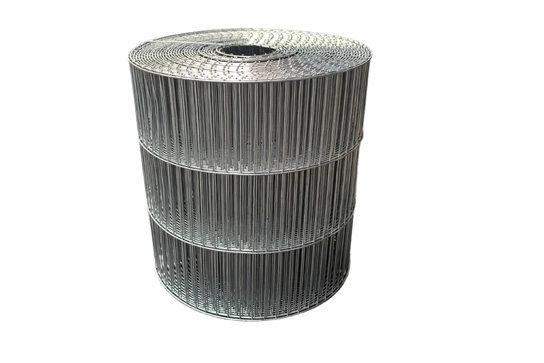
When it comes to selecting materials for corrosion resistant wire panels, two of the most popular choices are galvanized steel and stainless steel. Both options offer unique advantages, but they also have their drawbacks. This report aims to compare these two materials across several key aspects, including corrosion resistance, cost-effectiveness, durability, and application suitability, to help professionals make an informed decision.
One of the primary considerations in choosing a material for corrosion resistant wire panels is its ability to withstand environmental factors that lead to deterioration. Galvanized steel, which is coated with a layer of zinc, offers a good level of protection against rust and corrosion. The zinc coating acts as a sacrificial anode, meaning it corrodes first, thus protecting the underlying steel from damage. However, this protective layer can be compromised over time, especially under harsh conditions or if the surface is scratched, leading to the exposure of the base metal and subsequent corrosion.
In contrast, stainless steel is inherently more resistant to corrosion due to its chromium content, which forms a passive oxide layer on the surface. This layer prevents further oxidation and corrosion, making stainless steel a superior choice for applications where longevity and minimal maintenance are crucial. It's particularly effective in environments with high humidity, saltwater, or aggressive chemicals, where galvanized steel might fail prematurely.
While both galvanized and stainless steel provide corrosion resistance, their cost profiles differ significantly. Galvanized steel is generally less expensive than stainless steel, both in terms of raw material costs and processing. This makes it a more budget-friendly option for many projects, especially those with limited financial resources. Additionally, the initial setup and installation costs for galvanized steel corrosion resistant wire panels tend to be lower, contributing to its appeal for short-term or low-budget applications.
However, when considering long-term value, stainless steel often proves to be more cost-effective. Its superior corrosion resistance means that it requires less frequent replacement and maintenance, reducing overall lifecycle costs. In applications where the panel will be exposed to corrosive elements for extended periods, the higher initial investment in stainless steel can pay off through reduced maintenance and replacement expenses over time.
Another critical factor in the selection of corrosion resistant wire panels is their durability and structural integrity. Galvanized steel, while offering adequate strength, may not match the robustness of stainless steel, especially in demanding environments. Over time, the zinc coating on galvanized steel can wear off, exposing the base metal to corrosion and weakening the structure. This can lead to the need for early replacement or extensive repairs, impacting the overall service life of the panel.
Stainless steel, on the other hand, maintains its strength and integrity even in harsh conditions. The passive oxide layer formed by the chromium content provides continuous protection, ensuring that the material remains strong and durable. This makes stainless steel a preferred choice for applications requiring high load-bearing capacity, such as industrial fencing, security barriers, and marine structures. The enhanced durability of stainless steel translates into longer service life and greater reliability, justifying its higher initial cost.
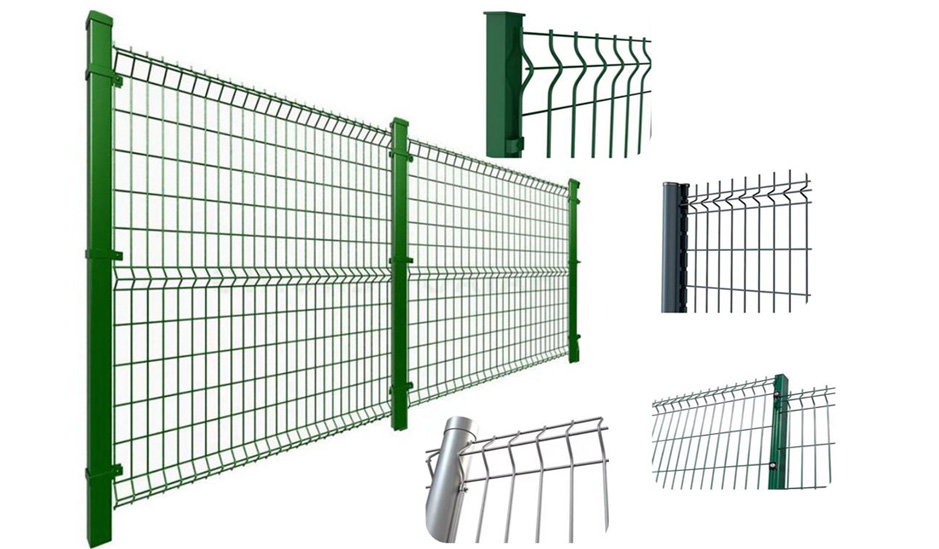
The suitability of galvanized and stainless steel for corrosion resistant wire panels depends on the specific requirements of the application. Galvanized steel is well-suited for general-purpose applications, such as residential fencing, garden enclosures, and light-duty industrial uses. Its lower cost and ease of installation make it a practical choice for projects where the environment is relatively mild and the risk of severe corrosion is low.
Conversely, stainless steel is ideal for applications where the environment is highly corrosive or where the panels must withstand extreme conditions. This includes coastal areas, chemical plants, food processing facilities, and other settings where exposure to salt, acids, and other corrosive substances is common. The enhanced corrosion resistance and durability of stainless steel ensure that the panels remain functional and safe, even in the harshest conditions.
Additionally, stainless steel is often preferred in applications where aesthetics are important. Its sleek, modern appearance and resistance to tarnishing make it a popular choice for architectural and decorative purposes. In contrast, galvanized steel can develop a dull, grayish patina over time, which may not be as visually appealing.
Both galvanized and stainless steel have their place in the market for corrosion resistant wire panels. Galvanized steel offers a cost-effective solution for general-purpose applications, while stainless steel provides superior corrosion resistance, durability, and aesthetic appeal for more demanding environments. When selecting the appropriate material, it is essential to consider the specific needs of the project, including the expected lifespan, environmental conditions, and budget constraints. By carefully evaluating these factors, professionals can choose the most suitable material to ensure the longevity and performance of their corrosion resistant wire panels.



Leave a Reply