

 English
 China
China Thailand
 Malaysia
 Vietnam
 Laos
Laos Cambodia
 Pilipinas
 Indonesia
 Russian
 Portuguese
 Arabic
 Japanese
 Spanish
 Italian
 French
 German
News
- Home
- News
- Company News
Corrosion-resistant wire panels are essential components in various industrial, commercial, and residential applications. They serve as protective barriers, structural supports, or even decorative elements. The effectiveness of these panels largely depends on their ability to resist corrosion, a natural process that can degrade materials over time. This report delves into the science behind corrosion-resistant wire panels, exploring the materials, manufacturing processes, and application scenarios that contribute to their longevity and reliability.
Corrosion is a chemical reaction between a material (usually metal) and its environment, which results in the deterioration of the material. In the context of wire panels, the most common form of corrosion is rust, which occurs when iron or steel reacts with oxygen and moisture. The reaction produces iron oxides, commonly known as rust, which can weaken the structural integrity of the panel. To combat this, manufacturers employ various strategies to create corrosion-resistant wire panels. These strategies include using inherently corrosion-resistant materials, applying protective coatings, and implementing advanced manufacturing techniques.
The choice of material is crucial in determining the corrosion resistance of wire panels. stainless steel, for example, is a popular option due to its high resistance to corrosion. It contains chromium, which forms a passive oxide layer on the surface of the metal, protecting it from further oxidation. Other alloys, such as galvanized steel, are also used. Galvanized steel is coated with a layer of zinc, which acts as a sacrificial anode, corroding before the underlying steel. Additionally, aluminum and its alloys are known for their natural resistance to corrosion, making them suitable for environments where exposure to moisture and chemicals is high.
Beyond the selection of materials, the manufacturing process plays a significant role in enhancing the corrosion resistance of wire panels. One common method is electroplating, where a thin layer of a more resistant metal, such as nickel or chrome, is deposited onto the surface of the wire. This not only improves the aesthetic appeal but also provides a barrier against corrosive agents. Another technique is powder coating, which involves applying a dry powder to the wire and then heating it to form a continuous, durable film. This method offers excellent protection against moisture, chemicals, and UV radiation. Furthermore, heat treatment processes, such as annealing, can improve the microstructure of the wire, making it more resistant to corrosion.
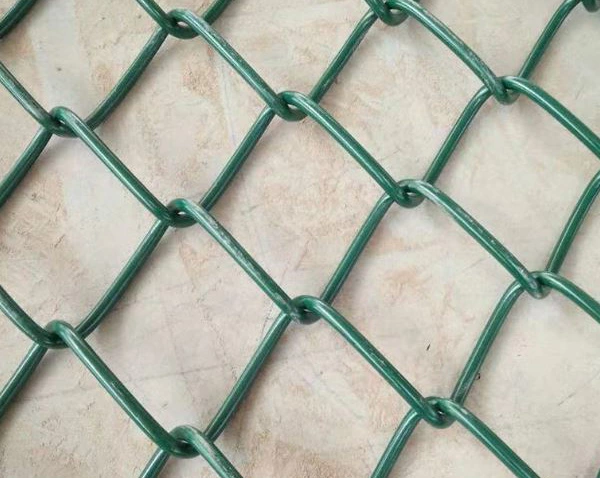
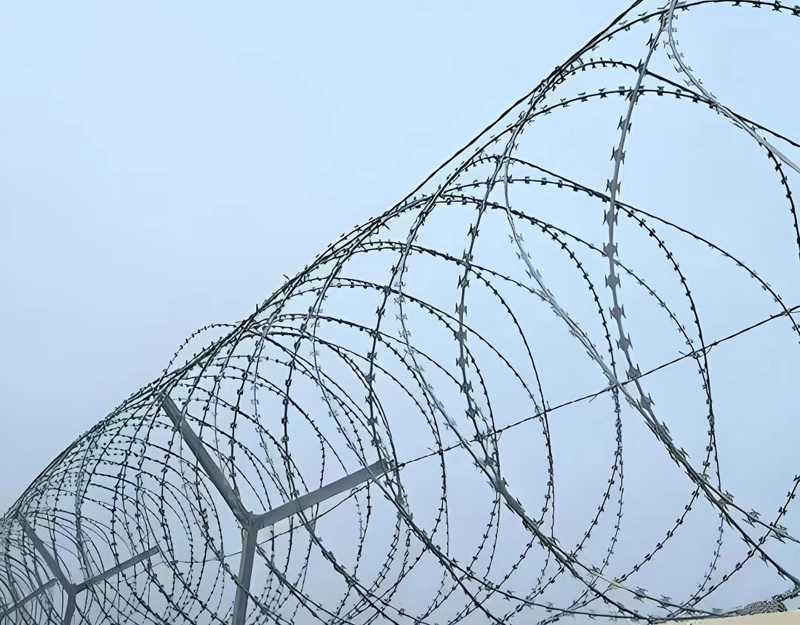
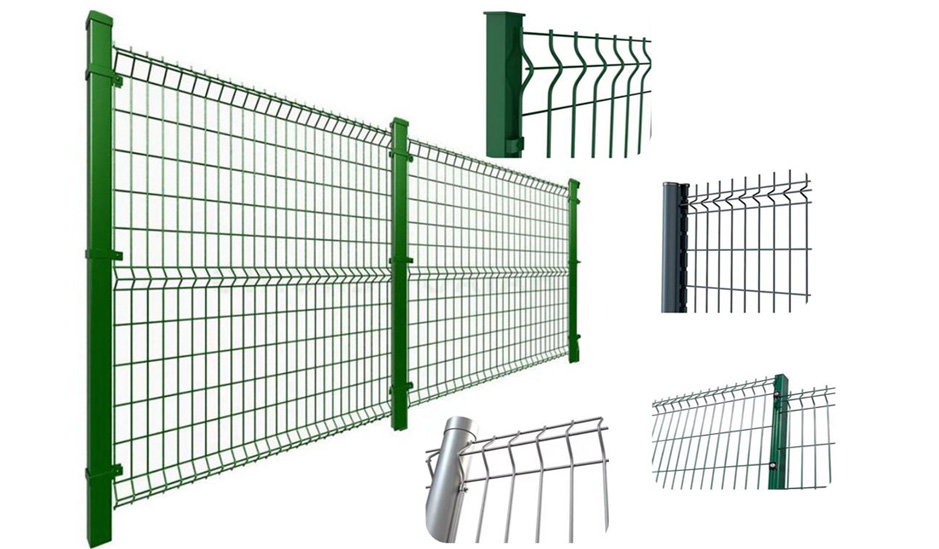
Corrosion-resistant wire panels find applications in a wide range of industries, including construction, agriculture, and marine environments. In construction, they are used as fencing, guardrails, and security barriers. In agriculture, they are employed in animal enclosures and crop support structures. Marine environments, with their high salt content and humidity, present some of the harshest conditions for wire panels. Here, stainless steel and other highly corrosion-resistant materials are preferred. To ensure the performance of these panels, rigorous testing and evaluation are conducted. Techniques such as salt spray tests, immersion tests, and accelerated weathering tests are used to simulate real-world conditions and assess the durability and longevity of the panels.
Proper maintenance is key to extending the lifespan of corrosion-resistant wire panels. Regular inspections should be carried out to identify any signs of damage or wear. If minor corrosion is detected, it can often be addressed by cleaning and reapplying a protective coating. In more severe cases, replacement may be necessary. Environmental factors, such as exposure to harsh chemicals or extreme weather conditions, can affect the performance of the panels. Therefore, it is important to select the appropriate material and coating for the specific application. By following best practices in installation and maintenance, the longevity and reliability of corrosion-resistant wire panels can be significantly enhanced.
In conclusion, understanding the science behind corrosion-resistant wire panels is crucial for ensuring their effective use in various applications. The combination of carefully selected materials, advanced manufacturing processes, and proper maintenance can lead to long-lasting and reliable solutions. As technology continues to evolve, new materials and techniques will likely emerge, further improving the performance and durability of these essential components.
Leave a Reply