

 English
 China
China Thailand
 Malaysia
 Vietnam
 Laos
Laos Cambodia
 Pilipinas
 Indonesia
 Russian
 Portuguese
 Arabic
 Japanese
 Spanish
 Italian
 French
 German
News
- Home
- News
- Company News
In the realm of industrial settings, durability is a key factor that determines the longevity and cost-effectiveness of materials used. One solution that has gained significant traction for enhancing material durability is PVC Coated solutions. This report delves into the benefits, applications, and future prospects of PVC coated technologies in industrial environments.
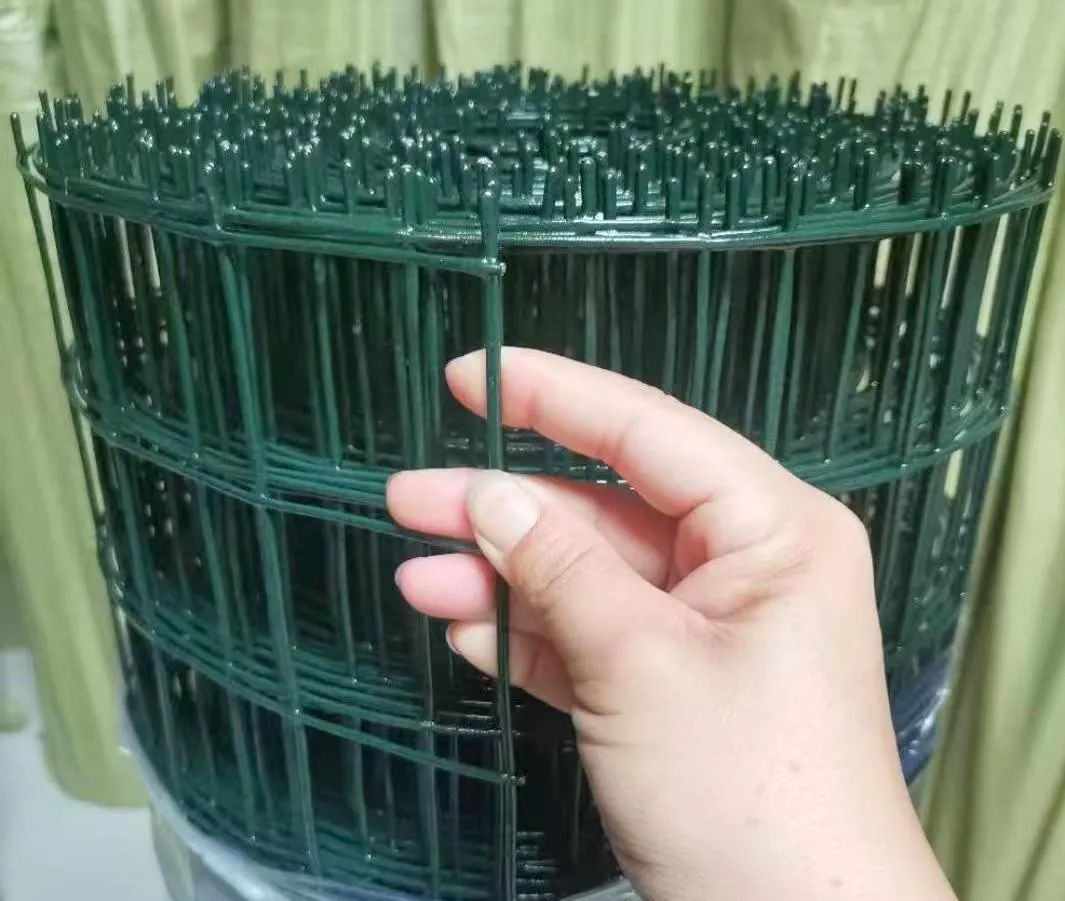
Polyvinyl chloride (PVC) coating involves applying a layer of PVC to a substrate, such as metal or fabric, to improve its resistance to wear, corrosion, and environmental factors. The process typically includes pretreatment of the base material, followed by the application of the PVC coating through methods like dipping, spraying, or extrusion. This coating not only enhances the physical properties of the material but also provides an aesthetic finish. In industrial settings, where exposure to harsh chemicals, extreme temperatures, and mechanical stress is common, PVC coated solutions offer a robust barrier against degradation.
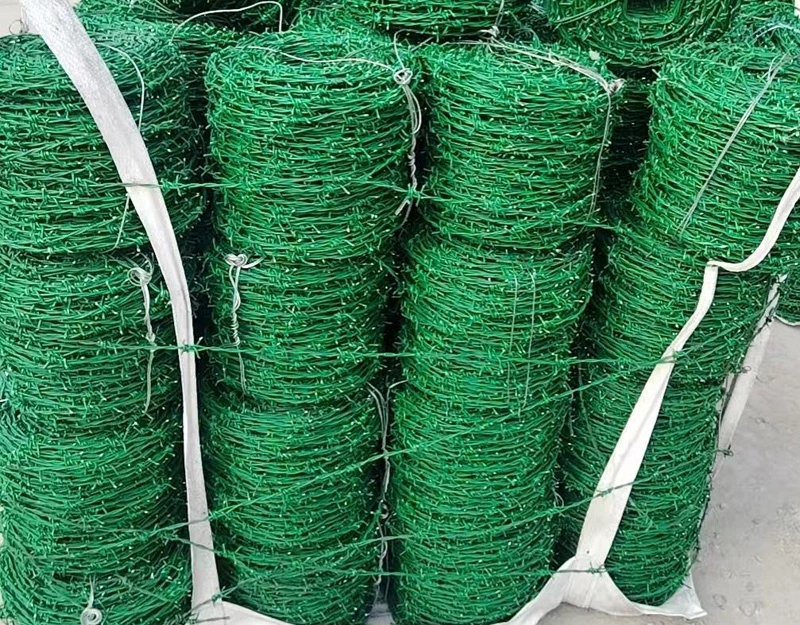
One of the standout features of PVC coated materials is their versatility across a wide range of industries. In construction, PVC coated steel wires and cables are preferred for their strength and resistance to corrosion, making them ideal for use in bridges, buildings, and other infrastructure projects. The automotive industry utilizes PVC coatings on components like underbody shields and interior parts to protect against road debris and chemical spills. Moreover, in the marine sector, PVC coated fabrics are employed for boat covers and tarpaulins due to their water-resistant and UV-stable characteristics. These examples illustrate how PVC coated solutions cater to specific needs within diverse industrial contexts, thereby contributing to enhanced performance and reduced maintenance costs.
Safety and compliance with regulations are paramount in any industrial setting. PVC coated materials play a crucial role in meeting these requirements. For instance, in electrical installations, PVC coated conduits and cables provide excellent insulation, reducing the risk of electrical fires and ensuring adherence to safety standards. Additionally, in the food processing industry, where hygiene and contamination control are critical, PVC coated conveyor belts and storage bins can be easily cleaned and sanitized, thus maintaining high levels of food safety. Furthermore, the non-toxic nature of many PVC formulations ensures that they do not pose health risks to workers or consumers, aligning with stringent health and safety guidelines. By incorporating PVC coated solutions, industries can significantly enhance their safety protocols and compliance efforts, fostering a safer working environment.
Beyond their functional advantages, PVC coated solutions also offer substantial economic and environmental benefits. Economically, the increased lifespan and reduced need for replacement or repair of PVC coated materials result in long-term cost savings. This is particularly relevant in sectors with high operational costs, such as manufacturing and construction. Environmentally, PVC coatings contribute to sustainability by reducing waste and lowering the carbon footprint associated with frequent material replacements. Additionally, advancements in PVC recycling technologies have made it possible to reuse and repurpose PVC coated materials, further minimizing environmental impact. As industries increasingly prioritize sustainable practices, the adoption of PVC coated solutions becomes a strategic choice that supports both financial and ecological goals.
The continuous evolution of PVC coated technologies promises even greater improvements in durability and functionality. Research and development efforts are focusing on creating more advanced formulations that can withstand even harsher conditions, such as extreme temperatures and aggressive chemicals. Nanotechnology, for example, is being explored to develop ultra-thin, yet highly durable, PVC coatings that can be applied to a wider range of substrates. Another area of innovation is the integration of smart functionalities into PVC coated materials, such as self-healing properties and embedded sensors for real-time monitoring of structural integrity. These advancements will not only extend the life cycle of industrial materials but also enable more efficient and proactive maintenance strategies. As the technology progresses, the potential applications of PVC coated solutions are expected to expand, driving further growth and innovation in the field.
In conclusion, PVC coated solutions are a vital component in enhancing the durability and performance of materials in industrial settings. Their versatility, safety, and economic and environmental benefits make them a preferred choice across various industries. As research and development continue to push the boundaries of what is possible with PVC coatings, the future looks promising for even more innovative and sustainable applications.
Leave a Reply