

 English
 China
China Thailand
 Malaysia
 Vietnam
 Laos
Laos Cambodia
 Pilipinas
 Indonesia
 Russian
 Portuguese
 Arabic
 Japanese
 Spanish
 Italian
 French
 German
News
- Home
- News
- Company News
The use of PVC Coated materials in modern construction has seen a significant rise over the past few decades. This trend is driven by the unique properties of PVC, which make it an attractive option for various applications within the construction industry. In this report, we will explore the versatility and benefits of PVC coated materials, focusing on their durability, cost-effectiveness, and environmental impact.
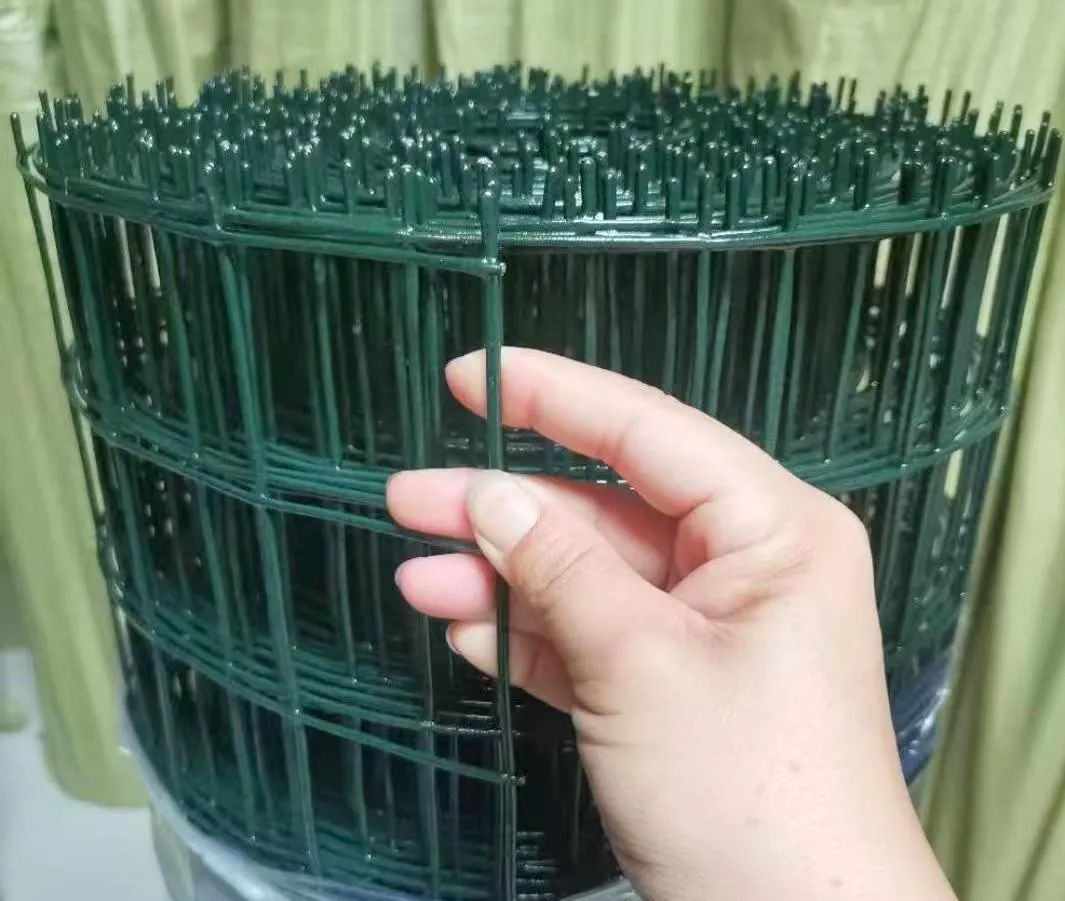
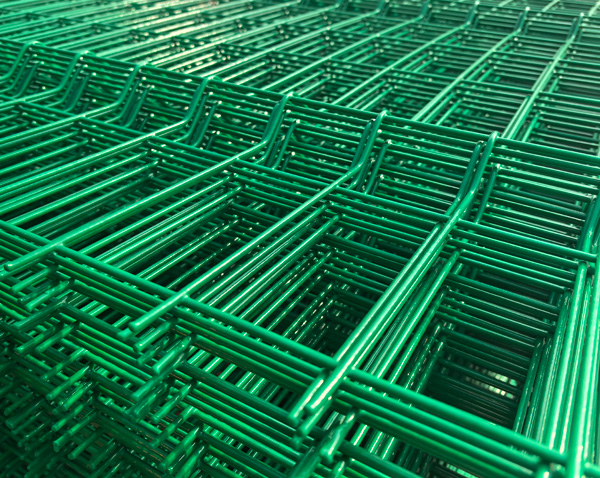
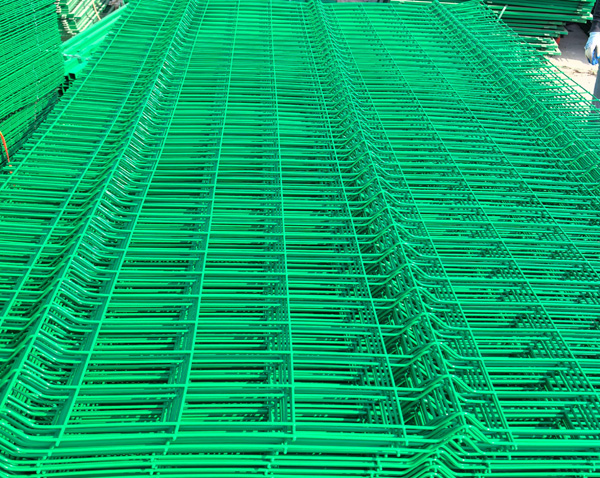
One of the primary advantages of using PVC coated materials in construction is their exceptional durability. PVC coatings provide a protective layer that can withstand harsh environmental conditions, including exposure to UV radiation, moisture, and extreme temperatures. This makes PVC coated materials ideal for outdoor applications such as roofing, siding, and fencing. The coating not only enhances the aesthetic appeal but also extends the lifespan of the underlying material, reducing the need for frequent replacements or repairs. For instance, PVC coated steel sheets are commonly used in industrial buildings and warehouses due to their resistance to corrosion and wear. This durability translates into long-term savings for both residential and commercial projects, as maintenance costs are significantly reduced.
Another key factor contributing to the popularity of PVC coated materials is their cost-effectiveness. While the initial investment may be slightly higher compared to traditional materials, the overall lifecycle cost of PVC coated products is often lower. This is because they require minimal maintenance and have a longer service life. Additionally, the installation process for many PVC coated materials is straightforward, which can lead to further cost savings in terms of labor and time. For example, PVC coated pipes are widely used in plumbing and drainage systems due to their ease of installation and resistance to chemical corrosion. These factors combined make PVC coated materials a cost-effective choice for a wide range of construction projects, from small-scale residential builds to large-scale infrastructure developments.
Despite some concerns about the environmental impact of plastics, PVC coated materials can be a more sustainable choice when compared to traditional alternatives. PVC is 100% recyclable, and many manufacturers now offer recycled PVC products, reducing the demand for virgin materials and minimizing waste. Moreover, the production of PVC requires less energy and emits fewer greenhouse gases than the production of many other materials, such as aluminum or concrete. This makes PVC coated materials a more environmentally friendly option. Additionally, the long lifespan of PVC coated products means that they do not need to be replaced as frequently, further reducing the environmental footprint. For example, PVC coated fabrics used in tensile structures and awnings can last for years without degrading, providing a sustainable solution for outdoor shading and weather protection.
The versatility of PVC coated materials continues to drive innovation in the construction industry. Researchers and manufacturers are constantly developing new formulations and applications that enhance the performance and sustainability of these materials. For example, recent advancements in self-cleaning and anti-microbial PVC coatings have opened up new possibilities for use in high-traffic areas and healthcare facilities. These innovations not only improve the functionality of the materials but also contribute to a healthier and more hygienic environment. Furthermore, the integration of smart technologies, such as sensors and solar cells, into PVC coated surfaces is another area of active research. This could lead to the development of intelligent building materials that can monitor and respond to environmental conditions, further enhancing the efficiency and sustainability of modern construction.
The use of PVC coated materials in modern construction offers numerous benefits, including durability, cost-effectiveness, and environmental sustainability. As the industry continues to evolve, the versatility and adaptability of PVC coated materials will likely play an increasingly important role in shaping the future of building and design. By embracing these innovative solutions, the construction industry can meet the growing demands for high-performance, cost-effective, and eco-friendly materials.
Leave a Reply