

 English
 China
China Thailand
 Malaysia
 Vietnam
 Laos
Laos Cambodia
 Pilipinas
 Indonesia
 Russian
 Portuguese
 Arabic
 Japanese
 Spanish
 Italian
 French
 German
News
- Home
- News
- Company News
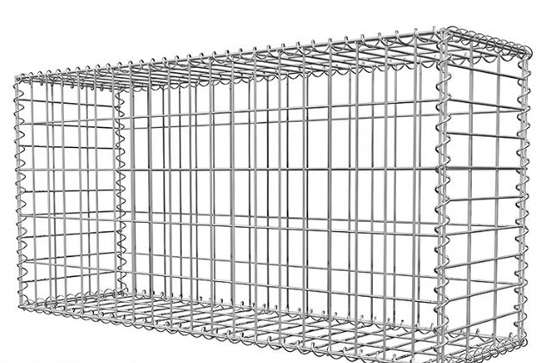
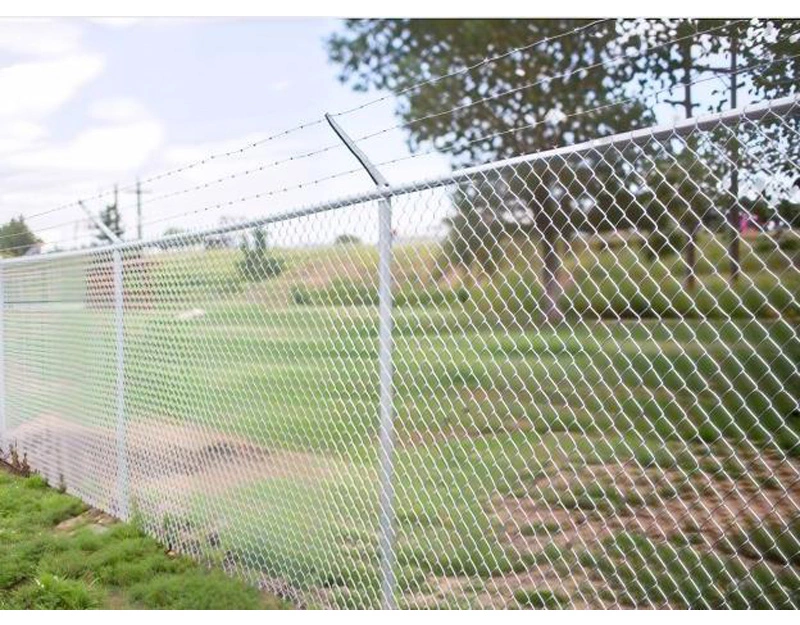
In the realm of livestock management, ensuring the safety and well-being of animals is paramount. One effective solution that has gained prominence over the years is the use of mesh fencing for livestock protection. This type of fencing not only provides a secure boundary but also offers numerous benefits that contribute to efficient farm operations and animal welfare. In this technical report, we will explore the key advantages of employing mesh fencing in livestock management, highlighting its role in enhancing security, improving animal health, and facilitating sustainable farming practices.
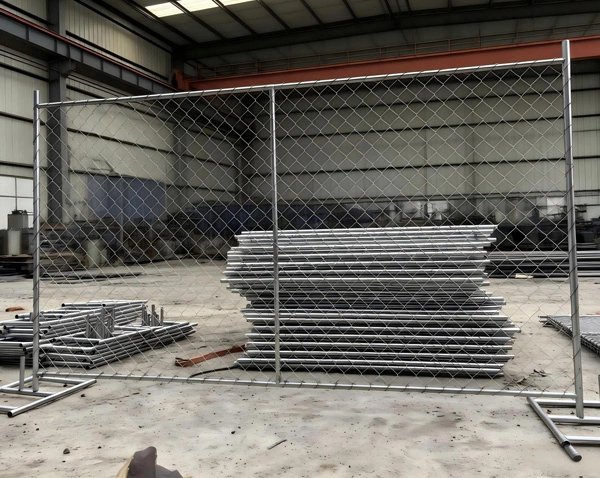
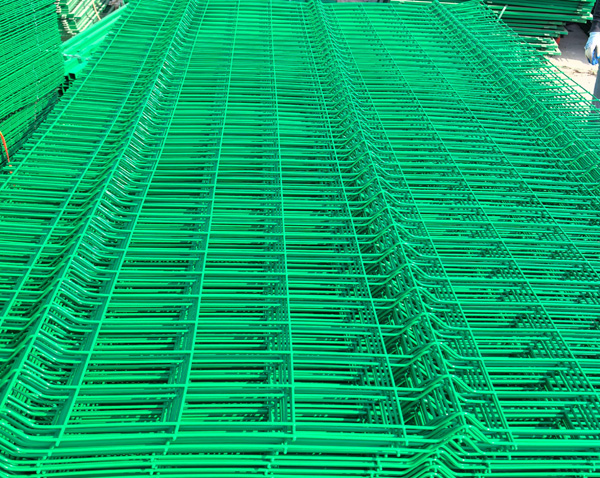
The primary function of any fence is to create a barrier that defines property boundaries and keeps livestock contained within designated areas. Mesh fencing excels in this regard due to its durable construction, which typically consists of interwoven wires or metal strands. This design makes it highly resistant to external pressures, such as attempts by predators to breach the enclosure or by the livestock themselves to escape. The strength and resilience of mesh fences ensure that even larger, more powerful animals like cattle or horses are securely confined, reducing the risk of injury from wandering onto roads or into dangerous terrain. Moreover, the visibility offered by mesh structures allows farmers to monitor their herds easily, further enhancing overall farm security.
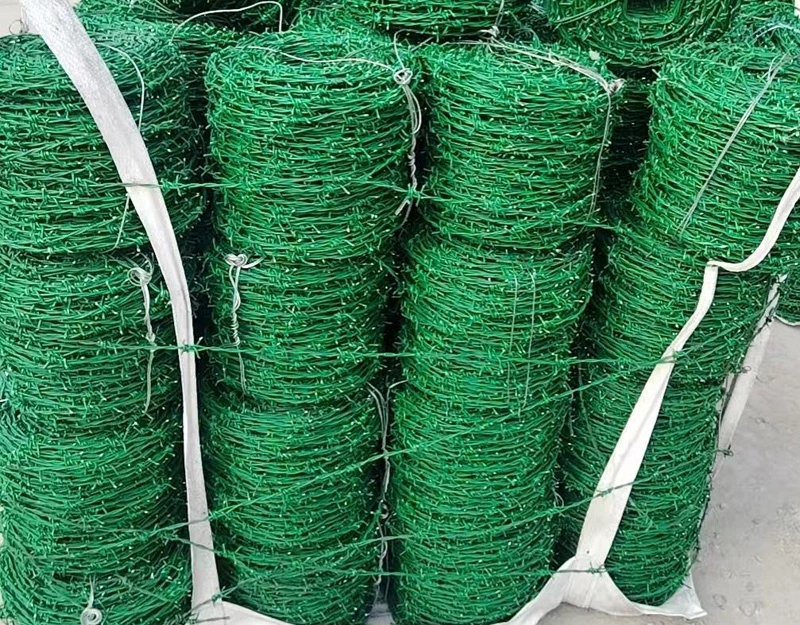
Beyond physical containment, mesh fencing for livestock protection plays a crucial role in promoting the health and well-being of the animals. Unlike traditional wooden or barbed wire fences, mesh designs do not pose the same risks of injury. The smooth, non-abrasive surface of most mesh materials minimizes the likelihood of cuts, scrapes, or entanglements, which can lead to infections or other health complications. Additionally, the open structure of mesh fencing allows for better air circulation and sunlight penetration, both of which are essential for maintaining a healthy environment. Proper ventilation helps reduce the buildup of moisture and pathogens, thereby lowering the incidence of respiratory issues and other diseases. By providing a safer and more comfortable living space, mesh fencing contributes significantly to the overall health and longevity of the livestock.
As the agricultural industry increasingly emphasizes sustainability, the choice of fencing material becomes an important factor in reducing environmental impact. Mesh fencing for livestock protection is often made from recycled metals or other eco-friendly materials, making it a more sustainable option compared to traditional wood or plastic alternatives. These materials are not only durable and long-lasting, but they also have a lower carbon footprint. Furthermore, the installation of mesh fencing requires minimal disturbance to the surrounding landscape, preserving natural habitats and biodiversity. This aligns with the broader goals of sustainable farming, which aim to minimize negative environmental impacts while maximizing productivity and efficiency. By choosing mesh fencing, farmers can take a significant step towards more environmentally responsible practices.
From an economic perspective, mesh fencing for livestock protection offers several advantages that make it a cost-effective solution in the long run. While the initial investment may be higher than some other fencing options, the durability and low maintenance requirements of mesh fencing result in significant savings over time. The robust nature of the material means that it is less likely to require frequent repairs or replacements, reducing ongoing maintenance costs. Additionally, the increased security and improved animal health provided by mesh fencing can lead to reduced veterinary expenses and lower losses due to predation or escape. These factors collectively contribute to a more economically viable and sustainable livestock management system, making mesh fencing a wise investment for modern farmers.
In conclusion, the integration of mesh fencing for livestock protection into livestock management practices brings about a multitude of benefits, including enhanced security, improved animal health, and support for sustainable farming. By providing a strong, safe, and environmentally friendly solution, mesh fencing not only protects the livestock but also contributes to the overall efficiency and profitability of the farm. As the agricultural sector continues to evolve, the adoption of innovative and sustainable solutions like mesh fencing will play a critical role in shaping the future of livestock management.

Leave a Reply