

 English
 China
China Thailand
 Malaysia
 Vietnam
 Laos
Laos Cambodia
 Pilipinas
 Indonesia
 Russian
 Portuguese
 Arabic
 Japanese
 Spanish
 Italian
 French
 German
News
- Home
- News
- Company News
The implementation of mesh fencing for livestock protection has been a topic of growing interest among farmers and agricultural experts alike. This report aims to explore the impact that such fencing solutions have on both the health and wellbeing of animals, presenting evidence-based insights into how these systems contribute positively to farm management practices.
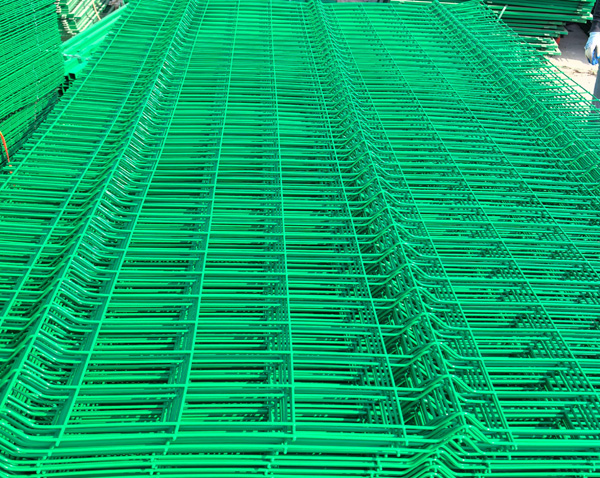
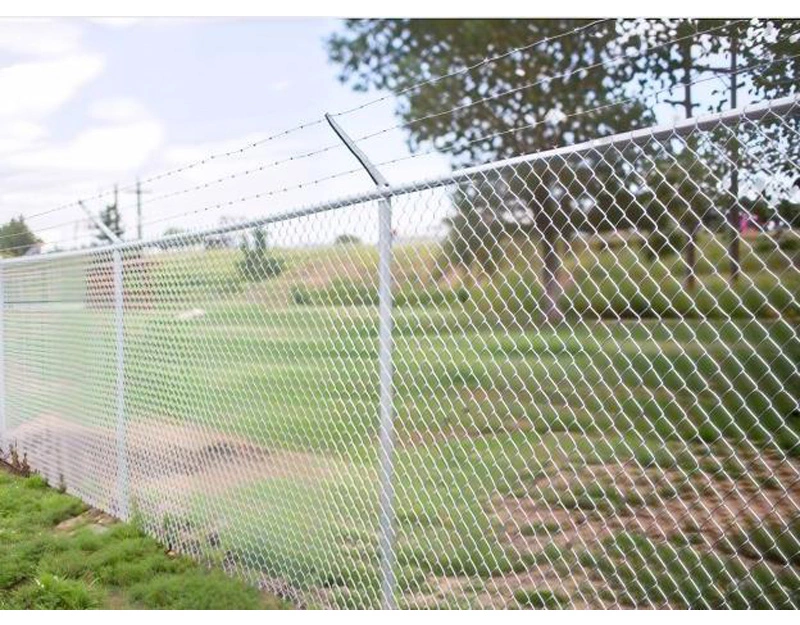
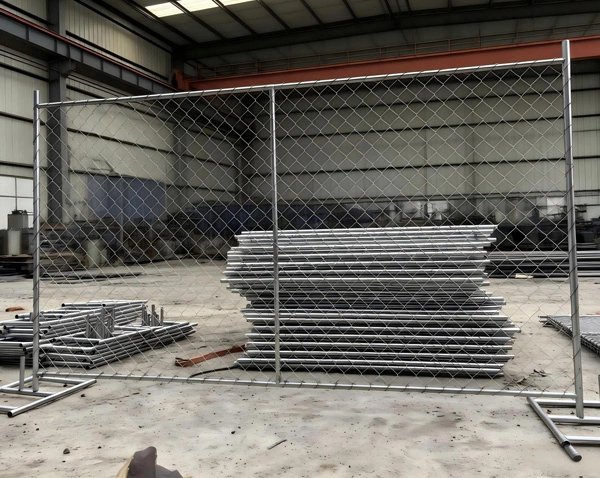
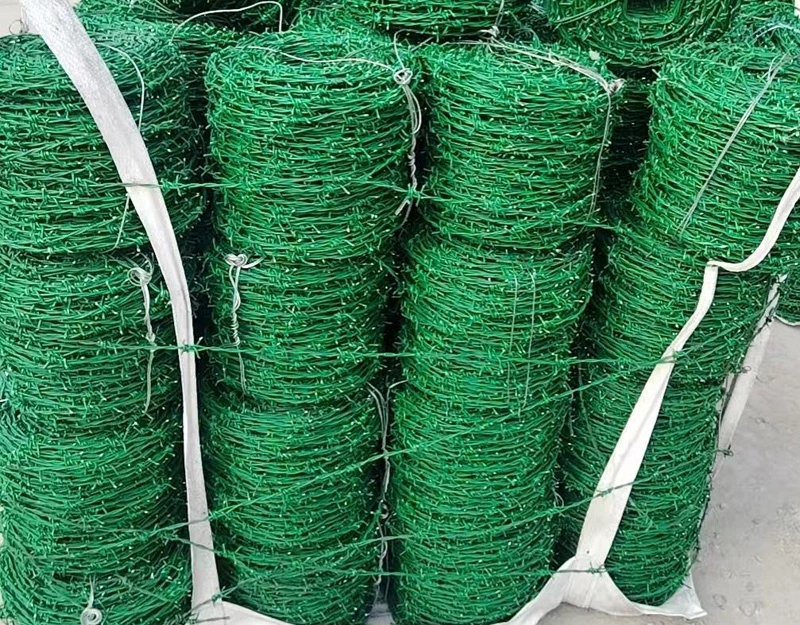
One of the most significant advantages of employing mesh fencing for livestock protection is its ability to enhance security. Traditional barriers, such as wooden fences or barbed wire, can be easily compromised by determined predators or even by the natural wear and tear over time. In contrast, modern mesh fencing designs are specifically engineered to withstand various forms of stress, including attempts at intrusion by wildlife. The tight weave of the mesh makes it difficult for smaller predators like foxes, coyotes, and weasels to penetrate, thereby significantly reducing the risk of attacks on livestock. Moreover, the visibility provided by mesh fencing allows farmers to monitor their herds more effectively, contributing to an overall safer environment for the animals.
A well-designed enclosure plays a crucial role in maintaining the physical and mental health of livestock. Mesh fencing not only provides a secure boundary but also ensures that the living space remains open and airy, which is essential for the comfort of the animals. Unlike solid walls, which can create a sense of confinement and stress, mesh fencing allows for natural light and airflow, promoting a healthier microclimate within the enclosure. This is particularly important for preventing respiratory issues and other health problems associated with poor ventilation. Additionally, the see-through nature of the mesh helps reduce aggression and anxiety among herd members, as they can maintain visual contact with each other and with their surroundings, supporting a more stable social structure.
Sustainability is becoming increasingly important in agriculture, and the use of mesh fencing for livestock protection aligns well with this trend. These fences are typically made from durable materials that offer long-term resistance to weather and corrosion, reducing the need for frequent replacements. This longevity translates into lower maintenance costs and less environmental impact compared to traditional fencing options. Furthermore, the design of mesh fencing often includes features that minimize the risk of injury to animals, such as smooth edges and appropriate spacing between wires, ensuring that the fencing does not pose a hazard to the livestock. By providing a safe and sustainable solution, mesh fencing supports the broader goals of responsible farming, including the welfare of the animals and the preservation of the land.
Effective farm management relies on the ability to efficiently monitor and control the movement of livestock. Mesh fencing for livestock protection offers several advantages in this regard. The transparency of the mesh allows for easy observation of the animals without the need for constant physical presence, enabling farmers to quickly identify any signs of distress or illness. This early detection capability is critical for timely intervention and treatment, potentially saving lives and reducing the spread of diseases. Additionally, the flexibility in the design of mesh fencing means that it can be easily adapted to different terrains and farm layouts, facilitating the creation of specific zones for feeding, resting, and breeding, which further enhances the overall efficiency of farm operations.
In conclusion, the adoption of mesh fencing for livestock protection represents a comprehensive approach to enhancing the health, safety, and overall wellbeing of farm animals. By providing enhanced security, improving animal welfare, promoting sustainable practices, and facilitating efficient management, mesh fencing stands out as a valuable tool for modern agricultural settings. As the industry continues to evolve, the integration of such innovative solutions will undoubtedly play a key role in shaping the future of livestock farming, ensuring that both the animals and the environment are treated with the utmost care and respect.

Leave a Reply