

 English
 China
China Thailand
 Malaysia
 Vietnam
 Laos
Laos Cambodia
 Pilipinas
 Indonesia
 Russian
 Portuguese
 Arabic
 Japanese
 Spanish
 Italian
 French
 German
News
- Home
- News
- Company News
mesh fencing for livestock protection is an essential element in ensuring the safety and well-being of animals, as well as protecting property. This comprehensive guide will provide you with detailed instructions on how to install mesh fencing effectively, ensuring a secure environment for your livestock.
Choosing the appropriate type of mesh fencing for livestock protection is the first critical step in the installation process. There are several factors to consider when making this decision, including the type of livestock you own, the local climate, and the specific needs of your farm or ranch. For instance, if you have smaller animals like poultry, a finer gauge wire may be more suitable to prevent them from escaping. Conversely, for larger animals such as cattle, a heavier-duty mesh with larger openings can be used. It's also important to select materials that are resistant to corrosion and weather, such as galvanized steel or aluminum, to ensure longevity and durability.
Before installing the mesh fencing, it is crucial to prepare the site properly. Start by clearing the area of any debris, vegetation, or obstructions that could interfere with the fence. Next, mark out the boundary where the fence will be installed using stakes and string. This will help you visualize the layout and make any necessary adjustments before beginning the installation. Additionally, it's important to check for any underground utilities or obstacles that might affect the placement of the fence posts. Once the site is prepared, you can proceed to the next step.
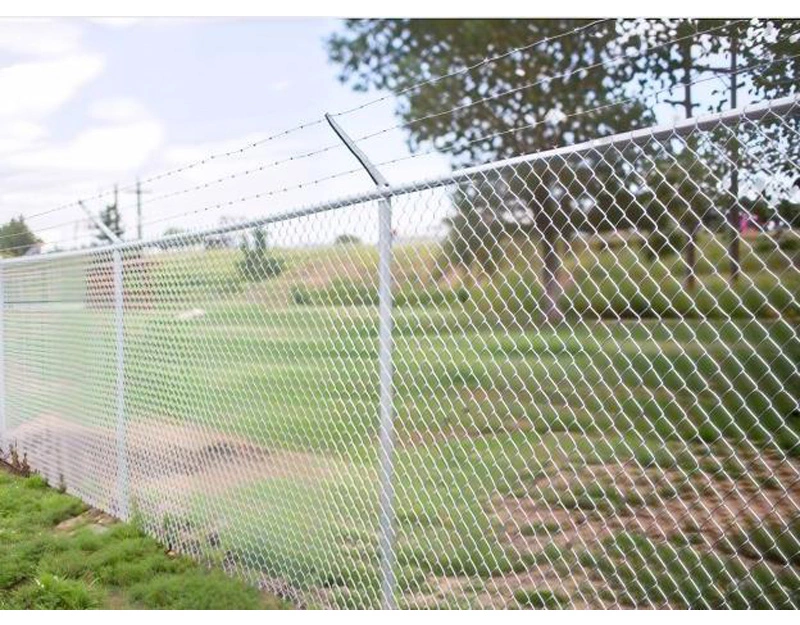
The strength and stability of your mesh fencing for livestock protection largely depend on the proper installation of fence posts and rails. Begin by digging post holes at intervals of 6 to 8 feet, depending on the type of mesh and the size of the animals. The depth of the holes should be at least one-third the height of the post above ground. Use a level to ensure the posts are vertical, and then set them in place using concrete or a gravel base. After the posts are securely in place, attach the top and bottom rails to provide additional support and a framework for the mesh. Ensure that the rails are level and securely fastened to the posts to prevent sagging or warping over time.
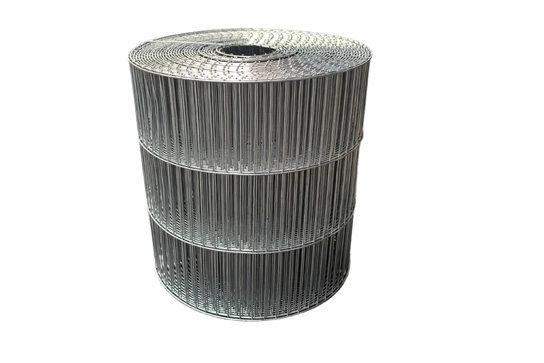
Once the posts and rails are in place, it's time to attach the mesh fencing. Unroll the mesh along the length of the fence line, ensuring it is taut and aligned with the top and bottom rails. Use fence staples or clips to secure the mesh to the rails, starting from one end and working your way to the other. It's important to maintain even tension throughout the mesh to prevent gaps or weak spots. If the mesh is too long, trim the excess carefully to avoid leaving sharp edges that could injure the animals. Additionally, ensure that the bottom of the mesh is securely anchored to the ground to prevent burrowing animals from getting under the fence.
Regular maintenance and inspection are key to ensuring the longevity and effectiveness of your mesh fencing for livestock protection. Inspect the fence regularly for any signs of damage, such as broken wires, loose staples, or rust. Address these issues promptly to prevent further damage and maintain the integrity of the fence. Additionally, keep the area around the fence clear of debris and vegetation to prevent animals from using it as a means to climb over or push through the fence. Regularly check the tension of the mesh and adjust as needed to ensure it remains taut and secure. By following these maintenance practices, you can extend the life of your mesh fencing and ensure it continues to provide reliable protection for your livestock.
Installing mesh fencing for livestock protection is a crucial investment in the safety and well-being of your animals. By selecting the right type of mesh, preparing the site, installing the posts and rails, attaching the mesh, and maintaining the fence, you can create a secure and durable barrier. This comprehensive guide provides you with the necessary steps and considerations to ensure a successful installation, allowing you to focus on the care and management of your livestock with peace of mind.
Leave a Reply