

 English
 China
China Thailand
 Malaysia
 Vietnam
 Laos
Laos Cambodia
 Pilipinas
 Indonesia
 Russian
 Portuguese
 Arabic
 Japanese
 Spanish
 Italian
 French
 German
News
- Home
- News
- Company News
In the realm of agricultural and livestock management, ensuring the safety and well-being of animals is paramount. Over recent years, advancements in mesh fencing technology have significantly improved our ability to protect livestock from predators and other hazards. This report explores the latest innovations in mesh fencing for livestock protection, highlighting key developments that are making a substantial difference in the field.
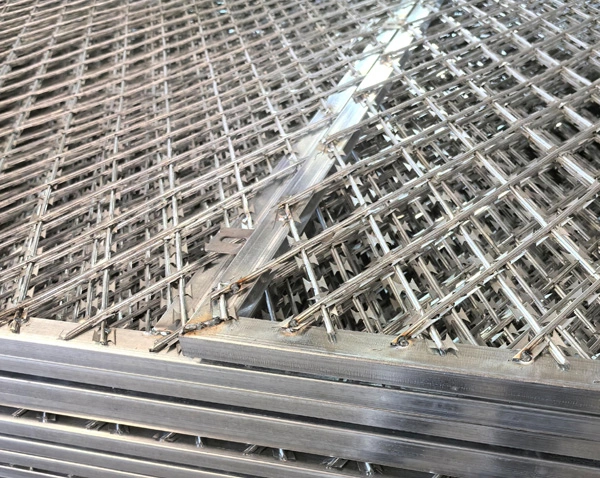
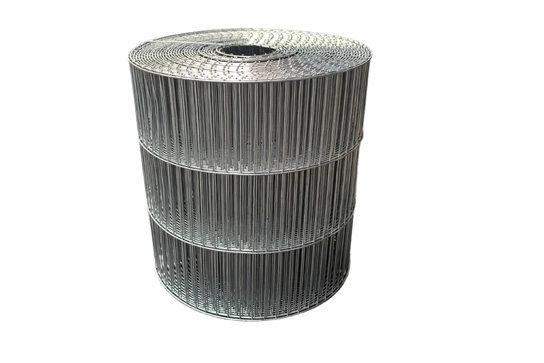
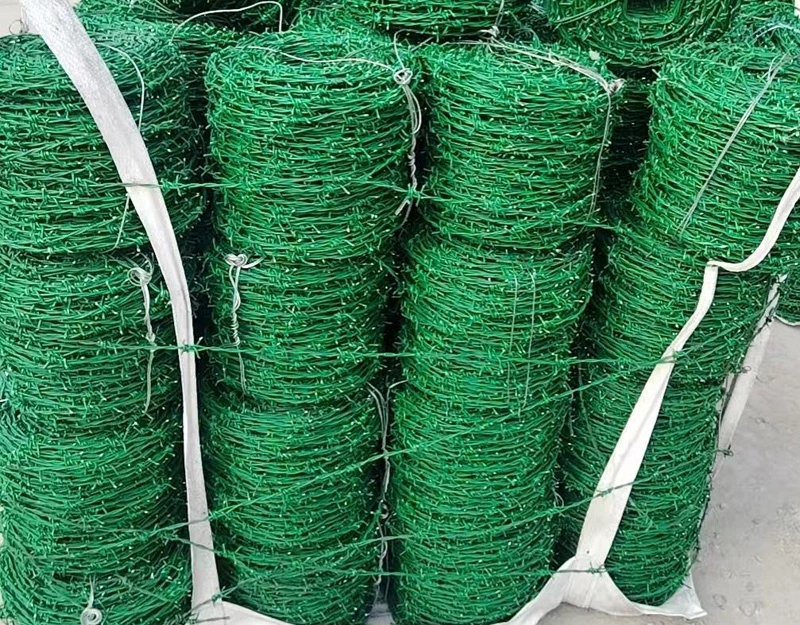
The foundation of any effective fencing system lies in the materials used. Traditional wire fences, while durable, often fall short in providing the necessary level of security and longevity. Modern mesh fencing has evolved to incorporate advanced materials such as high-tensile steel, which offers greater strength and flexibility. Additionally, the use of polymer-coated wires has become increasingly popular, as these coatings not only enhance the durability of the fence but also provide resistance against corrosion and weathering. These advancements in material science have led to the development of more robust and long-lasting fencing solutions, capable of withstanding harsh environmental conditions and the rigors of daily farm life.
One of the most exciting areas of innovation in mesh fencing for livestock protection is the integration of smart technologies. Modern fencing systems now include sensors and monitoring devices that can detect breaches or disturbances in real-time. These sensors can be connected to a central control system, allowing farmers to receive instant alerts via their smartphones or other devices. This immediate notification system enables swift action to be taken, minimizing the risk of predator attacks or other threats. Furthermore, some advanced systems even incorporate GPS tracking, enabling the precise location of any breach to be pinpointed, thereby facilitating rapid response and repair. The integration of these smart technologies not only enhances the security of the fencing but also provides valuable data for improving overall farm management practices.
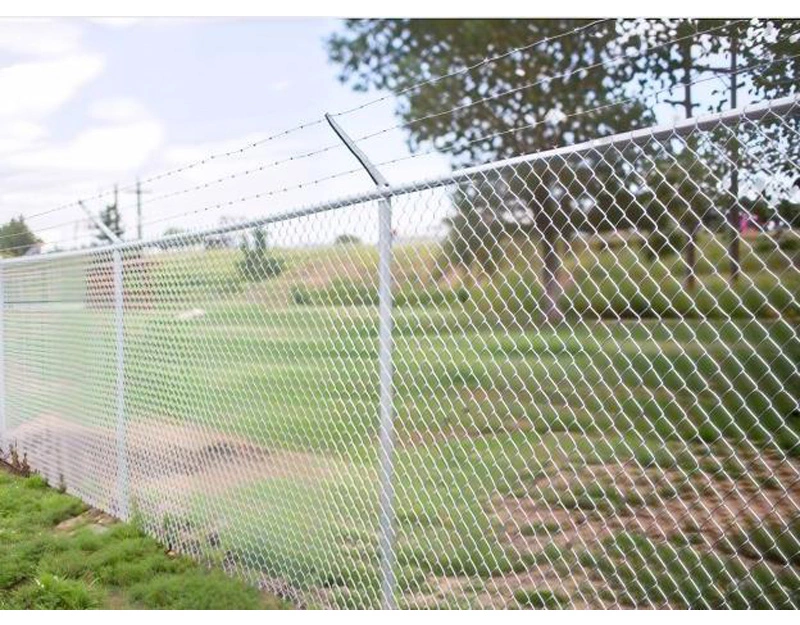
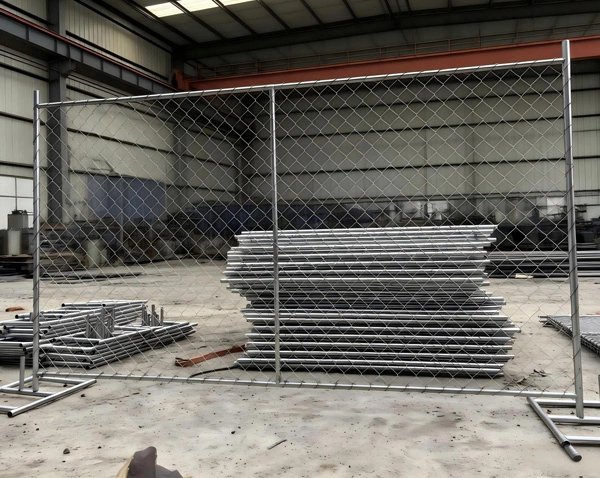
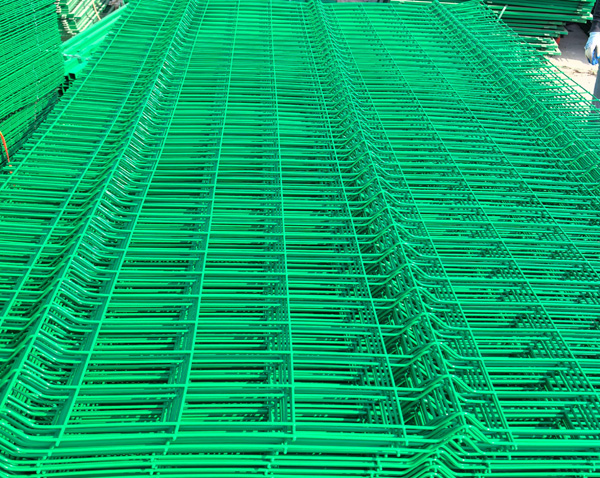
Beyond the materials and technology, design innovations play a crucial role in the effectiveness of mesh fencing for livestock protection. Recent developments in fence design have focused on creating structures that are not only secure but also promote animal welfare. For example, some new designs feature rounded edges and smooth surfaces to prevent injuries to animals. Additionally, the height and spacing of the mesh have been optimized to ensure that smaller predators cannot penetrate the barrier, while still allowing for adequate visibility and airflow. These design improvements help to create a safer and more comfortable environment for livestock, reducing stress and promoting better health outcomes. Moreover, modular and customizable fencing systems have been developed, allowing farmers to tailor the fence to their specific needs and landscape, further enhancing both security and usability.
As the agricultural industry becomes increasingly aware of its environmental impact, sustainability has become a key consideration in the development of mesh fencing for livestock protection. Many modern fencing solutions are designed with eco-friendly materials and manufacturing processes in mind. For instance, some manufacturers are using recycled materials in their products, reducing waste and the overall carbon footprint. Additionally, the durability and longevity of these fences mean that they require less frequent replacement, leading to a reduction in the consumption of resources over time. Furthermore, the integration of solar-powered monitoring systems and other renewable energy solutions in smart fencing technology helps to minimize the reliance on non-renewable energy sources, contributing to a more sustainable and environmentally responsible approach to livestock protection.
The continuous evolution of mesh fencing for livestock protection is a testament to the ongoing commitment to improving the safety and well-being of animals. Through the development of advanced materials, the integration of smart technologies, and the implementation of innovative design features, modern mesh fencing systems are becoming more effective, efficient, and sustainable. As the agricultural sector continues to face new challenges, these innovations will play a vital role in ensuring the long-term success and prosperity of farms and the animals they protect.

Leave a Reply