

 English
 China
China Thailand
 Malaysia
 Vietnam
 Laos
Laos Cambodia
 Pilipinas
 Indonesia
 Russian
 Portuguese
 Arabic
 Japanese
 Spanish
 Italian
 French
 German
News
- Home
- News
- Company News
In the realm of modern transportation, the advancement in technology has opened new possibilities for enhancing safety, particularly during nighttime conditions. This report delves into how high-tech traffic safety solutions are transforming nighttime visibility, ensuring safer roads for all users. Through an exploration of innovative technologies and their applications, we uncover the significant improvements these advancements bring to traffic safety products.
The core of improving nighttime driving safety lies in increasing the visibility of road elements such as lanes, signs, and pedestrians. Advanced lighting systems play a crucial role in this regard. LED (Light Emitting Diode) lights, known for their energy efficiency and long lifespan, have become a popular choice for street lighting. However, it is the integration of smart features that truly sets these systems apart. For instance, adaptive lighting adjusts its brightness based on real-time traffic flow and weather conditions, optimizing visibility while conserving energy. Moreover, the use of color temperature tuning can help reduce the glare experienced by drivers, making it easier to see obstacles or hazards at night. These innovations not only contribute to trafficsafety products but also set a new standard for public safety infrastructure.
Traditional road markings and signs often fail to provide adequate guidance under poor lighting conditions. High-tech solutions, including reflective materials and dynamic sign technology, address this issue effectively. Reflective paints and thermoplastic markings, which contain microspheres that reflect light back to its source, significantly improve the visibility of lane lines and road symbols at night. Furthermore, the development of electronic variable message signs (VMS) enables real-time communication of critical information to drivers, such as speed limits, accident alerts, and detour directions. By integrating these advanced systems, municipalities can create a more responsive and informative road environment, thereby reducing accidents and improving overall traffic flow.
Data analytics and artificial intelligence (AI) are playing increasingly important roles in traffic management and safety. By collecting and analyzing data from various sources, including traffic cameras, sensors, and mobile devices, authorities can gain valuable insights into traffic patterns, driver behavior, and potential risk areas. This information can then be used to predict where and when accidents are likely to occur, allowing for proactive measures to be implemented. For example, AI algorithms can analyze historical data to identify high-risk locations and suggest interventions such as increased lighting, additional signage, or even temporary speed reductions. Such predictive approaches represent a significant leap forward in the field of trafficsafety products, offering a more systematic and effective way to prevent accidents before they happen.
Beyond the infrastructure, in-vehicle technologies are also making substantial contributions to nighttime driving safety. Modern vehicles are equipped with a range of advanced driver assistance systems (ADAS) designed to enhance visibility and support safe driving. Features like night vision cameras, which use thermal imaging to detect objects beyond the reach of headlights, and adaptive cruise control, which automatically adjusts vehicle speed to maintain a safe distance from other cars, are becoming more common. Additionally, head-up displays (HUDs) project essential information, such as speed and navigation directions, directly onto the windshield, reducing the need for drivers to take their eyes off the road. These technologies not only improve the driving experience but also significantly reduce the likelihood of accidents, especially in low-light conditions.
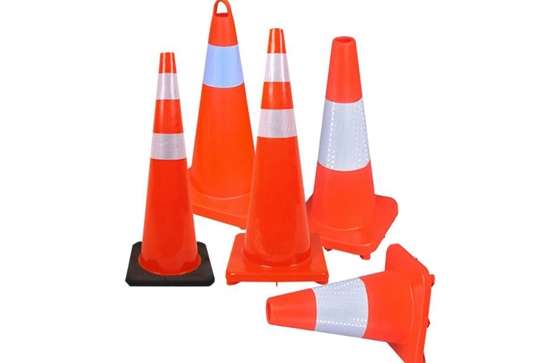
The integration of high-tech solutions into trafficsafety products is revolutionizing the way we approach nighttime driving. From smart lighting and advanced road markings to data-driven safety measures and in-vehicle technologies, these innovations are collectively contributing to a safer, more efficient, and more reliable transportation system. As technology continues to evolve, it is clear that the future of traffic safety will be characterized by even greater levels of automation, connectivity, and intelligence, ultimately leading to fewer accidents and a more secure travel experience for all.
Leave a Reply