

 English
 China
China Thailand
 Malaysia
 Vietnam
 Laos
Laos Cambodia
 Pilipinas
 Indonesia
 Russian
 Portuguese
 Arabic
 Japanese
 Spanish
 Italian
 French
 German
News
- Home
- News
- Company News
traffic safety products play a critical role in enhancing the overall safety of road users, from pedestrians to motorists. These items, which range from simple reflective vests to sophisticated traffic management systems, are designed with one primary goal: reducing accidents and injuries on our roads. This report delves into how traffic safety products contribute significantly towards achieving this objective, exploring their various forms, benefits, and the importance of proper implementation and maintenance.
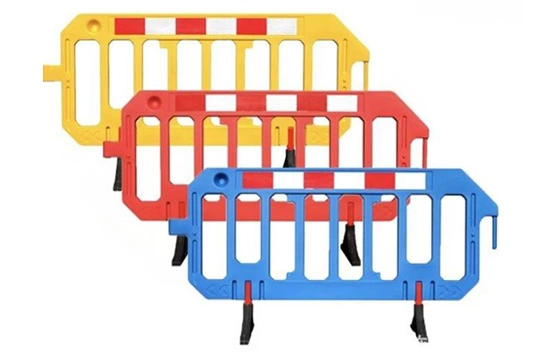
The term "traffic safety products" encompasses a wide array of items and technologies. At its most basic level, it includes personal protective equipment (PPE) like high-visibility clothing, helmets, and gloves, essential for both workers and everyday road users. Moving up the complexity scale, we find more advanced solutions such as traffic signals, speed bumps, barriers, and warning signs, all designed to control or alert traffic flow effectively. The highest tier consists of digital solutions, including automated enforcement systems, intelligent transportation systems (ITS), and vehicle-to-everything (V2X) communication technologies, which leverage real-time data and connectivity to improve safety further. Each category serves distinct yet complementary roles in creating a safer environment for everyone on the road.
The effectiveness of traffic safety products in reducing accidents is well-documented through numerous studies and real-world applications. For instance, speed reduction measures, such as speed humps and variable message signs, have been shown to decrease vehicle speeds, thereby lowering the likelihood and severity of collisions. Similarly, better visibility aids, like improved street lighting and reflective materials, enhance drivers' ability to see potential hazards, especially during nighttime or adverse weather conditions. Furthermore, technological advancements in vehicle design, such as anti-lock braking systems (ABS) and electronic stability control (ESC), along with external safety features like pedestrian detection systems, directly contribute to accident prevention by providing drivers with more control and awareness. By addressing specific risk factors, these products work together to create a comprehensive safety net that protects against a wide range of potential accidents.
Intelligent Transportation Systems (ITS) represent a significant leap forward in the application of technology to traffic safety. These systems use a combination of sensors, cameras, and communication networks to collect, process, and disseminate information about traffic conditions, enabling real-time adjustments to traffic signals, lane usage, and even driver behavior. One key aspect of ITS is its ability to predict and prevent congestion, which not only improves travel efficiency but also reduces the incidence of rear-end collisions and other types of crashes often associated with heavy traffic. Additionally, V2X technologies allow vehicles to communicate with each other and with infrastructure, providing warnings about impending dangers, such as a stopped vehicle ahead or an upcoming sharp curve. This proactive approach to safety means that many accidents can be avoided before they occur, making our roads much safer places to travel.
Beyond the immediate impact on reducing accidents and injuries, investing in traffic safety products yields substantial economic and social benefits. Economically, fewer accidents mean lower costs related to medical expenses, property damage, and lost productivity. A study by the National Highway Traffic Safety Administration (NHTSA) estimated that the societal cost of motor vehicle crashes in the United States alone was over $871 billion in 2019, underscoring the financial burden of inadequate road safety. Socially, safer roads lead to increased mobility for all, particularly for vulnerable groups such as the elderly and children, who may otherwise be deterred from traveling due to safety concerns. Moreover, communities that prioritize traffic safety tend to experience higher levels of public trust and satisfaction, contributing to a positive community atmosphere. Thus, the investment in trafficsafety products is not just a matter of saving lives; it’s also a strategic decision that enhances the overall quality of life.
Despite the clear benefits, there remain challenges in the development and deployment of trafficsafety products. Cost, regulatory hurdles, and varying standards across jurisdictions can slow down the adoption of new technologies. Additionally, ensuring that these products are user-friendly and accessible to all, regardless of age or physical ability, is crucial. Looking ahead, the integration of artificial intelligence (AI) and machine learning (ML) holds great promise for further improving road safety. These technologies could enable more accurate prediction of traffic patterns, personalized driving assistance, and even autonomous emergency response, pushing the boundaries of what’s possible in terms of accident prevention. As we continue to innovate, it will be essential to maintain a focus on inclusivity and sustainability, ensuring that the future of road safety benefits everyone equally.
In conclusion, trafficsafety products are indispensable tools in the ongoing effort to reduce accidents and injuries on our roads. From traditional PPE to cutting-edge ITS, these solutions offer a multifaceted approach to enhancing safety. By continuing to invest in and develop these products, we can look forward to a future where road travel is not only more efficient but also significantly safer for all users.


Leave a Reply