

 English
 China
China Thailand
 Malaysia
 Vietnam
 Laos
Laos Cambodia
 Pilipinas
 Indonesia
 Russian
 Portuguese
 Arabic
 Japanese
 Spanish
 Italian
 French
 German
News
- Home
- News
- Company News
With the rapid development of technology and urbanization, ensuring traffic safety has become a critical concern for cities around the world. The design of traffic safety products is evolving to meet the increasing demands of modern transportation systems. This report aims to explore the latest trends in traffic safety product design, highlighting key innovations and their impact on road safety.
The integration of smart technologies into traffic safety products is one of the most significant trends in recent years. Advanced sensors, IoT (Internet of Things) devices, and AI (Artificial Intelligence) algorithms are being incorporated into traditional traffic safety equipment to enhance their functionality and effectiveness. For instance, smart traffic lights can now adjust their timing based on real-time traffic flow, reducing congestion and improving safety. Similarly, smart speed cameras can detect not only the speed of vehicles but also other factors such as weather conditions and vehicle type, providing more accurate and fair enforcement. These advancements not only improve the efficiency of traffic management but also significantly reduce the risk of accidents.
Another crucial trend in the design of traffic safety products is the focus on enhanced visibility and communication. Modern traffic signs and signals are being designed with high-visibility materials and LED lighting to ensure they are easily seen by drivers, pedestrians, and cyclists, even in low-light conditions. Additionally, the use of digital displays and variable message signs (VMS) allows for real-time updates and dynamic information dissemination. This is particularly important during emergencies or when there are sudden changes in traffic conditions. Furthermore, the integration of communication technologies, such as V2X (Vehicle-to-Everything) systems, enables vehicles to communicate with each other and with infrastructure, providing early warnings and reducing the likelihood of collisions.
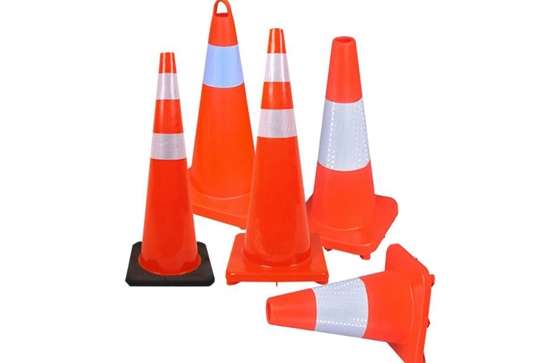
In line with the global push towards sustainability, the design of traffic safety products is also shifting towards more eco-friendly solutions. Manufacturers are increasingly using recycled and biodegradable materials in the production of traffic cones, barriers, and other safety equipment. This not only reduces the environmental impact but also promotes a circular economy. Moreover, solar-powered traffic lights and signage are becoming more common, reducing the reliance on non-renewable energy sources. These sustainable designs not only contribute to a greener future but also offer long-term cost savings for municipalities and private entities.
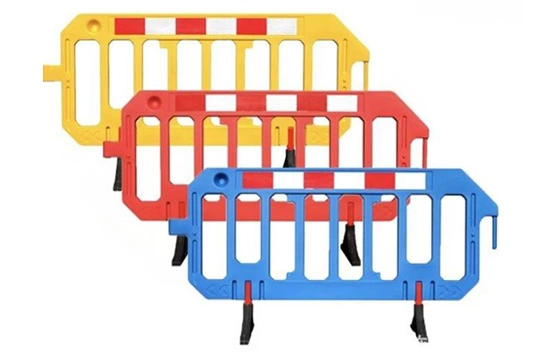
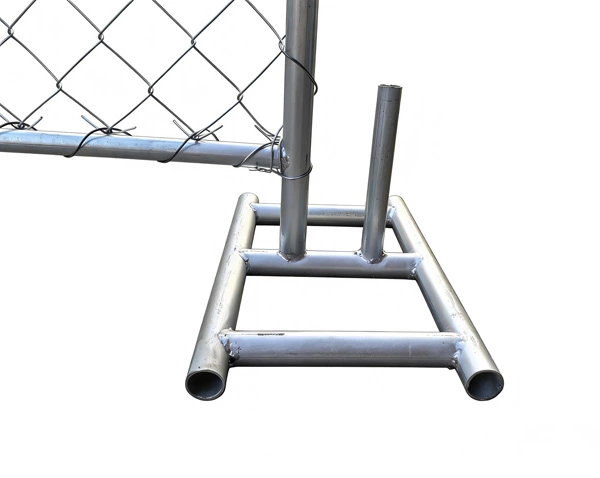
One of the emerging trends in traffic safety products is the emphasis on customization and flexibility. As urban environments become more complex and diverse, there is a growing need for traffic safety solutions that can be tailored to specific contexts and requirements. Modular and adaptable designs allow for easy reconfiguration and scalability, making it possible to address unique challenges and changing needs. For example, modular traffic barriers can be quickly assembled and disassembled, allowing for efficient deployment in different scenarios, such as roadworks, events, and emergency situations. This flexibility ensures that traffic safety products remain effective and relevant, regardless of the environment or circumstances.
The use of data-driven design and analytics is another key trend in the development of traffic safety products. By leveraging big data and advanced analytics, designers and engineers can gain valuable insights into traffic patterns, accident hotspots, and user behavior. This information can be used to optimize the design and placement of traffic safety equipment, ensuring that it is most effective where it is needed. For instance, predictive analytics can help identify areas with a high risk of accidents, allowing for targeted interventions and the deployment of appropriate safety measures. Additionally, continuous monitoring and data collection enable ongoing improvements and adjustments, ensuring that traffic safety products remain up-to-date and effective.
In conclusion, the latest trends in traffic safety product design reflect a commitment to leveraging advanced technologies, enhancing visibility and communication, promoting sustainability, and embracing customization and data-driven approaches. These innovations are crucial for addressing the complex challenges of modern transportation systems and ensuring the safety of all road users. As these trends continue to evolve, we can expect to see even more sophisticated and effective traffic safety solutions in the future.
Leave a Reply