

 English
 China
China Thailand
 Malaysia
 Vietnam
 Laos
Laos Cambodia
 Pilipinas
 Indonesia
 Russian
 Portuguese
 Arabic
 Japanese
 Spanish
 Italian
 French
 German
News
- Home
- News
- Company News
mesh fencing solutions for farms have become increasingly popular due to their durability, cost-effectiveness, and versatility. These solutions not only provide a secure barrier for livestock but also offer a range of benefits that make them an ideal choice for modern farming operations. This report will explore the key aspects of mesh fencing, including its materials, installation, and maintenance, as well as the specific advantages it offers in protecting livestock.
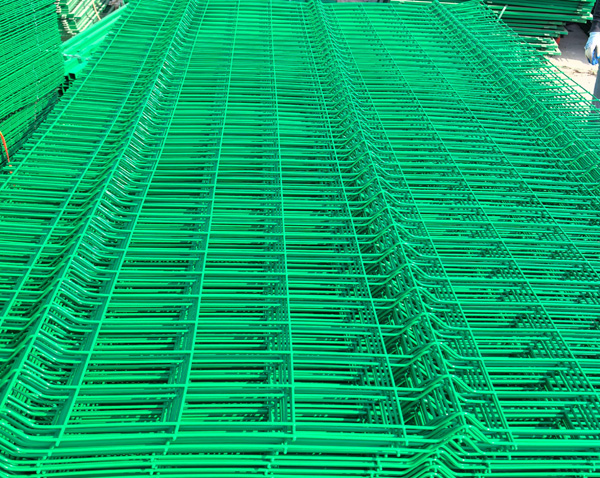
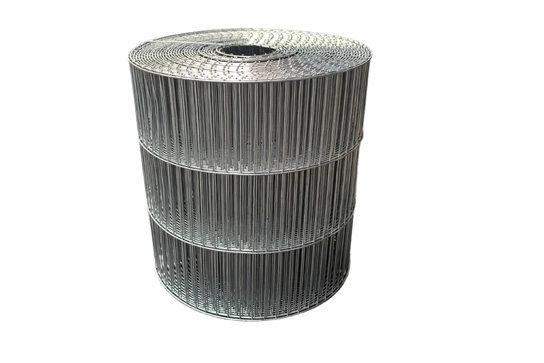
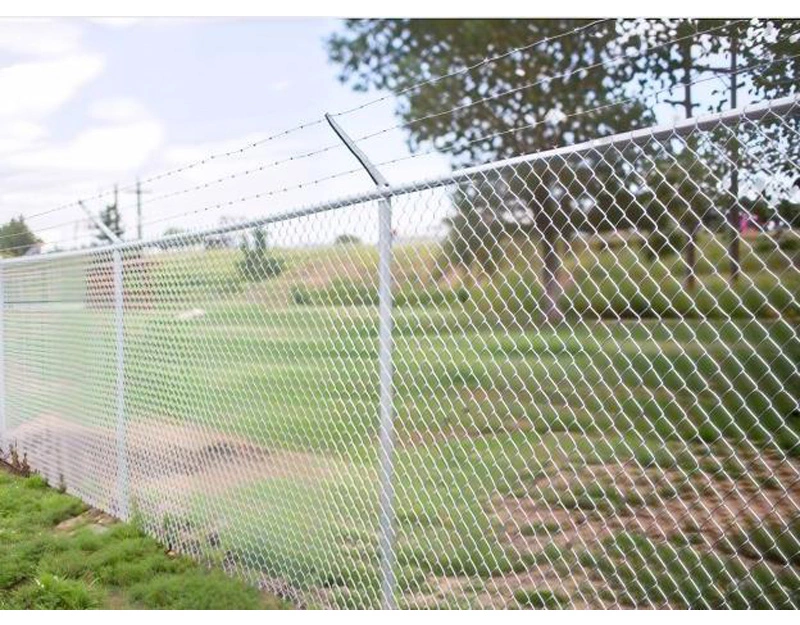
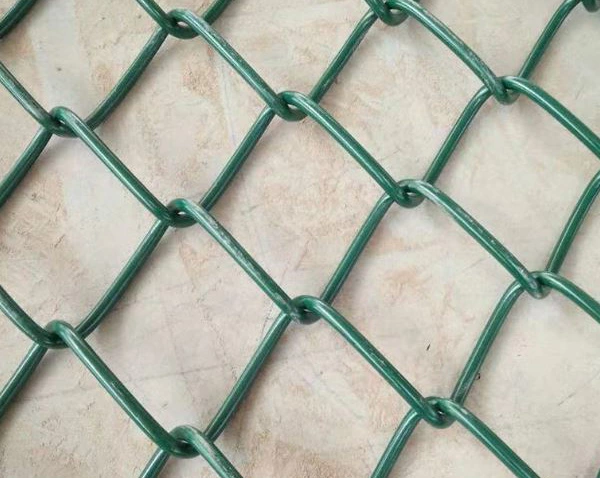
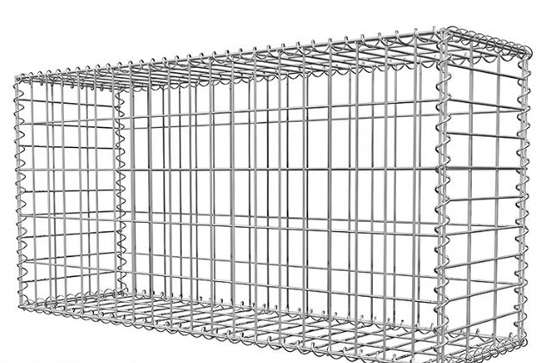
Mesh fencing is typically made from high-quality steel or galvanized wire, which provides both strength and resistance to corrosion. The most common types of mesh fencing include chain link, welded wire, and woven wire. Each type has its own unique properties and is suitable for different applications. chain link fencing, for example, is known for its flexibility and ease of installation, making it a popular choice for large areas. welded wire mesh, on the other hand, offers a more rigid structure and is often used in areas where higher security is required. Woven wire mesh, with its interlocking design, provides excellent strength and is particularly effective in containing smaller animals like sheep and goats.
The construction of mesh fencing involves several key components, including the mesh itself, posts, and fasteners. The posts are typically made from metal or wood and are set into the ground at regular intervals to provide support for the mesh. Fasteners, such as clips or ties, are used to secure the mesh to the posts. The spacing between the posts and the height of the fence can be adjusted based on the specific needs of the farm and the type of livestock being protected.
The installation of mesh fencing requires careful planning and execution to ensure that it is both effective and durable. The first step in the installation process is to survey the area and mark out the fence line. This includes identifying any obstacles, such as trees or rocks, that may need to be removed or worked around. Once the fence line is established, the next step is to install the posts. For metal posts, this typically involves driving them into the ground using a post driver or setting them in concrete. For wooden posts, they are usually set in holes filled with concrete for added stability.
After the posts are in place, the mesh is attached to the posts using fasteners. It is important to ensure that the mesh is taut and securely fastened to prevent sagging or gaps that could allow animals to escape. Regular inspections and maintenance are also essential to keep the fence in good condition. This includes checking for any signs of damage, such as rust or broken wires, and making repairs as needed. Additionally, keeping the area around the fence clear of vegetation and debris can help prevent damage and extend the life of the fence.
One of the primary advantages of mesh fencing is its ability to provide a secure and reliable barrier for livestock. The strong and durable nature of the mesh ensures that animals are contained within designated areas, reducing the risk of escape and potential harm. This is particularly important for farms with valuable or endangered species, where the loss of even a single animal can have significant financial and ecological consequences.
Another advantage of mesh fencing is its visibility. Unlike solid fences, which can obstruct views and create blind spots, mesh fencing allows farmers to easily monitor their livestock from a distance. This can be especially useful in detecting any issues or threats early on, such as predators or health problems. The open design of the mesh also allows for better air circulation, which can help maintain a healthier environment for the animals.
Cost-effectiveness is another key benefit of mesh fencing. While the initial investment may be higher than some other fencing options, the long-term savings can be substantial. Mesh fencing is designed to last for many years with minimal maintenance, reducing the need for frequent repairs or replacements. Additionally, the materials used in mesh fencing are often recyclable, making it an environmentally friendly choice.
Mesh fencing solutions offer a high degree of customization and versatility, allowing farmers to tailor the fence to their specific needs. The height, spacing, and type of mesh can all be adjusted based on the size and behavior of the livestock, as well as the terrain and environmental conditions of the farm. For example, a taller and more robust fence may be required for larger animals like cattle, while a lower and more flexible fence may be sufficient for smaller animals like chickens.
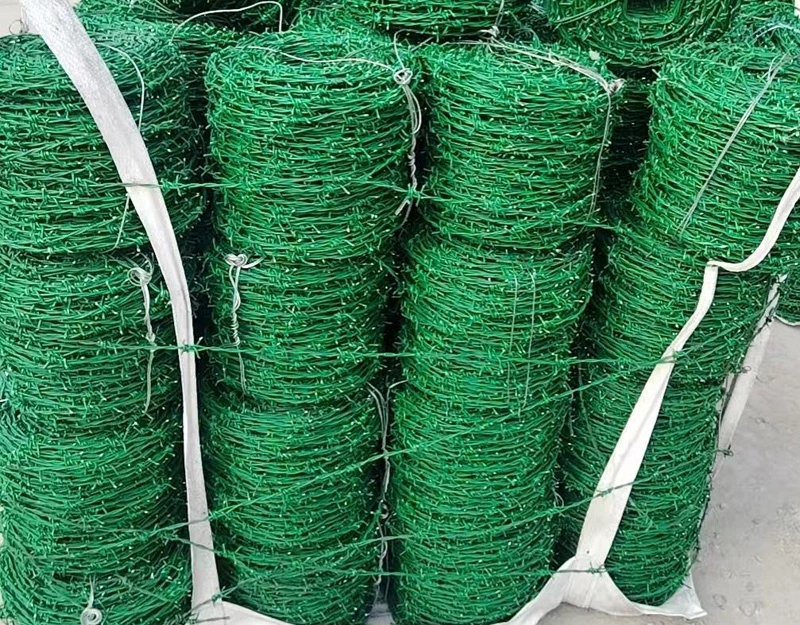
Additionally, mesh fencing can be combined with other types of fencing, such as electric or barbed wire, to create a multi-layered security system. This can be particularly useful in areas where there is a high risk of predation or where additional deterrence is needed. The modular nature of mesh fencing also makes it easy to expand or modify the fence as the needs of the farm change over time.
Mesh fencing solutions for farms offer a range of benefits that make them an attractive option for protecting livestock. From their durable construction and ease of installation to their cost-effectiveness and versatility, these fencing solutions provide a reliable and efficient way to manage and protect farm animals. By understanding the materials, installation, and maintenance requirements, as well as the specific advantages of mesh fencing, farmers can make informed decisions about the best fencing solution for their needs.


Leave a Reply