

 English
 China
China Thailand
 Malaysia
 Vietnam
 Laos
Laos Cambodia
 Pilipinas
 Indonesia
 Russian
 Portuguese
 Arabic
 Japanese
 Spanish
 Italian
 French
 German
News
- Home
- News
- Company News
mesh fencing solutions for farms have become increasingly popular due to their durability, versatility, and cost-effectiveness. This comprehensive guide aims to provide a detailed overview of the installation process, materials, and best practices associated with farm mesh fencing. By following these guidelines, farmers can ensure that their property is well-protected and efficiently managed.
One of the primary reasons for choosing mesh fencing solutions for farms is the array of benefits they offer. Firstly, mesh fencing is incredibly durable. It is typically made from galvanized steel or aluminum, which resists corrosion and can withstand harsh weather conditions. This makes it an ideal choice for agricultural settings where exposure to the elements is constant.
Secondly, mesh fencing provides excellent visibility. Unlike solid fences, mesh allows for unobstructed views, making it easier to monitor livestock and crops. This transparency also helps in deterring potential intruders, as it eliminates hiding spots.
Lastly, mesh fencing is highly versatile. It can be used for a variety of purposes, including enclosing pastures, protecting gardens, and securing storage areas. Its adaptability makes it a cost-effective solution for multiple needs on a farm.
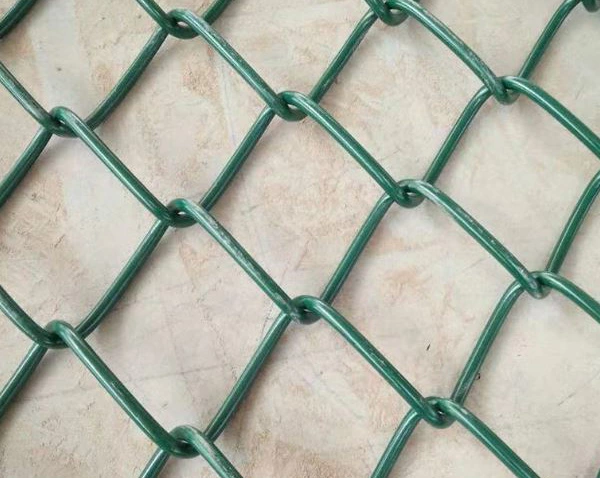
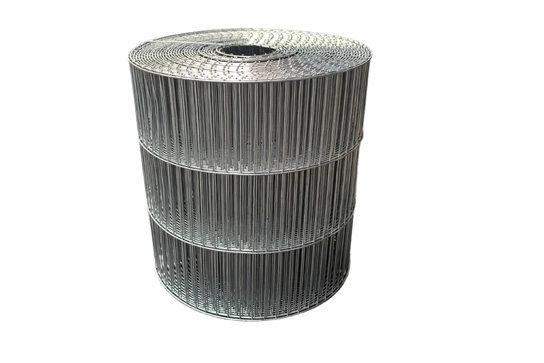
The success of your farm mesh fencing installation largely depends on the quality of the materials you choose. The most common types of mesh fencing are chain link, welded wire, and woven wire. Each has its own set of advantages and is suitable for different applications.
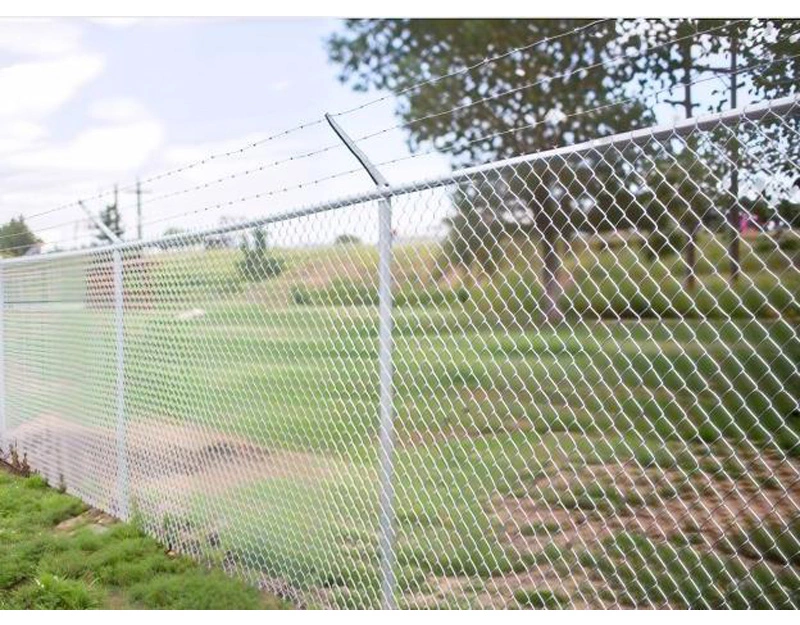
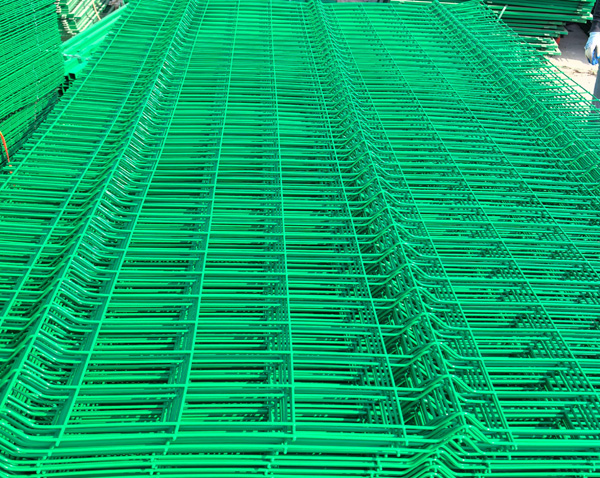
chain link fencing is known for its strength and flexibility. It is ideal for high-traffic areas and can be easily installed on uneven terrain. Welded wire fencing, on the other hand, is more rigid and provides a higher level of security. It is often used for enclosures that require a strong barrier, such as poultry coops and small animal pens. Woven wire fencing is the most versatile option, offering a balance between strength and flexibility. It is commonly used for large pastures and can be customized to fit specific needs.
When selecting materials, consider the environment, the type of livestock you have, and the intended use of the fence. For example, if you have larger animals like cattle, a heavier gauge wire will be necessary to prevent them from breaking through the fence. Additionally, ensure that the posts and hardware are of high quality to support the weight and tension of the mesh.
Installing farm mesh fencing requires careful planning and execution. Here is a step-by-step guide to help you through the process:
By following these steps, you can ensure a successful and long-lasting installation of your farm mesh fencing.
To ensure that your farm mesh fencing remains in good condition, regular maintenance is essential. Here are some tips for maintaining and caring for your fence:
By implementing these maintenance practices, you can extend the lifespan of your farm mesh fencing and ensure that it continues to serve its purpose effectively.
Mesh fencing solutions for farms offer numerous benefits, including durability, visibility, and versatility. By carefully selecting the right materials and following a structured installation process, you can create a secure and efficient enclosure for your property. Regular maintenance and care are crucial to ensure the longevity and effectiveness of your fence. With the right approach, farm mesh fencing can significantly enhance the management and security of your agricultural operations.

Leave a Reply