

 English
 China
China Thailand
 Malaysia
 Vietnam
 Laos
Laos Cambodia
 Pilipinas
 Indonesia
 Russian
 Portuguese
 Arabic
 Japanese
 Spanish
 Italian
 French
 German
News
- Home
- News
- Company News
mesh fencing solutions for farms have become increasingly popular due to their versatility, durability, and cost-effectiveness. These fences are designed to provide a secure boundary while also allowing for proper ventilation and visibility. In this report, we will explore several cost-effective ways to implement mesh fencing on farms, ensuring that farmers can maximize the benefits of these solutions without breaking the bank.
Before delving into the implementation strategies, it is essential to understand the advantages that mesh fencing offers. Mesh fencing is known for its strength and resilience, making it an ideal choice for containing livestock and protecting crops. Additionally, the open design of mesh fencing allows for natural light and air circulation, which is beneficial for both animals and plants. Furthermore, mesh fencing is relatively easy to install and maintain, reducing long-term costs for farm owners.
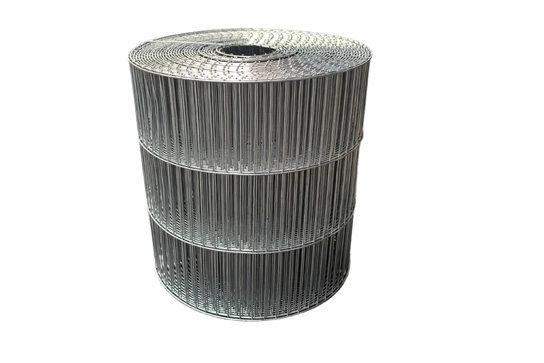
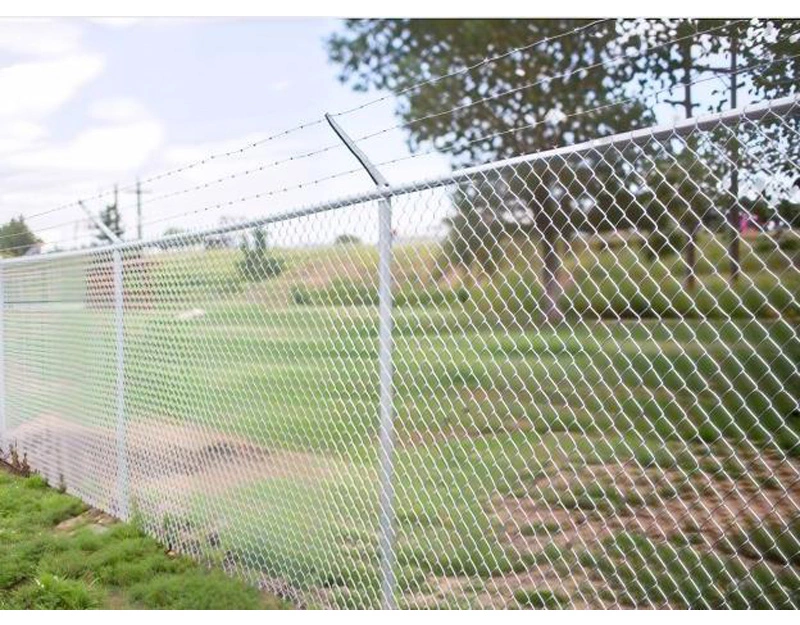
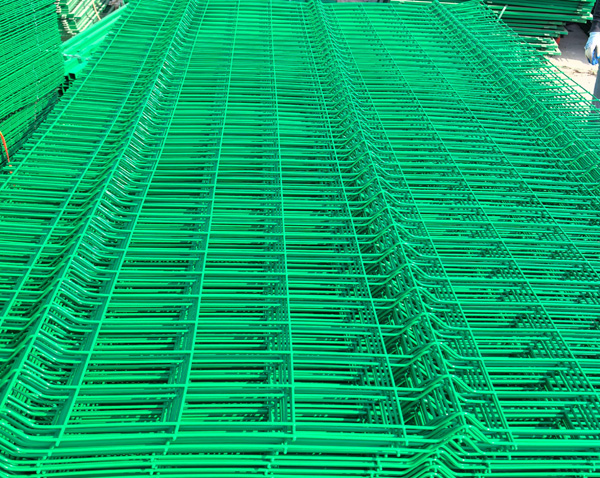
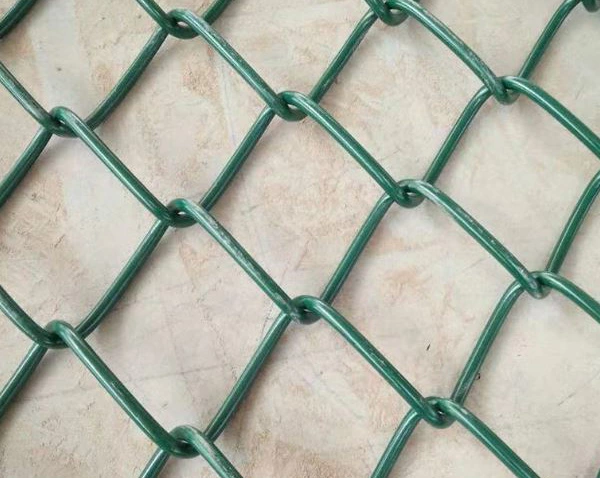
The first step in implementing a cost-effective mesh fencing solution is to choose the right type of fencing material. There are several options available, including chain-link, welded wire, and woven wire. Each type has its own set of characteristics and is suitable for different applications. For example, chain-link fencing is highly durable and can withstand harsh weather conditions, making it a good choice for perimeter security. Welded wire fencing, on the other hand, is more flexible and can be used for smaller enclosures or to create temporary barriers. Woven wire fencing is particularly effective for containing small animals and poultry, as it provides a tight mesh that prevents them from escaping. By selecting the appropriate type of mesh fencing, farmers can ensure that they are investing in a solution that meets their specific needs and budget constraints.
One of the most significant expenses associated with mesh fencing is the installation process. However, there are several ways to optimize installation costs and make the project more affordable. First, consider doing some of the preparatory work yourself. This can include clearing the area where the fence will be installed, marking out the fence line, and setting the posts. While it may require some effort, it can save a considerable amount of money on labor costs. Additionally, purchasing materials in bulk can often result in discounts, so it is worth considering buying all the necessary supplies at once. Finally, choosing a simpler design for the fence can also reduce installation time and costs. For instance, opting for a straight-line fence rather than one with multiple curves or corners can make the installation process more straightforward and efficient.
To ensure that the investment in mesh fencing remains cost-effective over the long term, regular maintenance is crucial. Proper maintenance can extend the lifespan of the fence and prevent costly repairs or replacements. Some key maintenance tasks include inspecting the fence regularly for any signs of damage, such as rust, loose wires, or bent posts. Any issues should be addressed promptly to prevent further deterioration. Additionally, applying a protective coating or paint to the fence can help protect it from the elements and prolong its life. It is also important to keep the area around the fence clear of debris and vegetation, as these can cause damage over time. By following these maintenance practices, farmers can ensure that their mesh fencing remains in good condition and continues to provide the necessary security and protection for their farm.
In today's world, technology plays a vital role in enhancing the security and efficiency of farm operations. Integrating technology with mesh fencing can provide additional layers of protection and monitoring. For example, installing motion sensors along the fence line can alert farmers to any unauthorized access or potential threats. Similarly, using surveillance cameras can provide real-time monitoring of the farm perimeter, allowing for quick response to any incidents. While these technologies may require an initial investment, they can significantly enhance the overall security of the farm and provide peace of mind. Moreover, some modern mesh fencing systems come with built-in features such as electric fencing, which can deter intruders and wildlife from entering the farm. By combining mesh fencing with advanced security technologies, farmers can create a comprehensive and cost-effective security solution for their property.
In conclusion, implementing mesh fencing solutions for farms can be a cost-effective way to enhance security, protect livestock, and improve overall farm management. By understanding the benefits of mesh fencing, selecting the right type of fencing material, optimizing installation costs, maintaining the fence properly, and integrating technology, farmers can ensure that their investment in mesh fencing remains valuable and effective for years to come.


Leave a Reply