

 English
 China
China Thailand
 Malaysia
 Vietnam
 Laos
Laos Cambodia
 Pilipinas
 Indonesia
 Russian
 Portuguese
 Arabic
 Japanese
 Spanish
 Italian
 French
 German
News
- Home
- News
- Company News
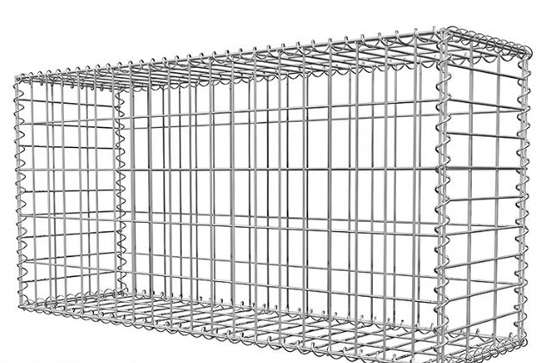
Over the past few decades, advancements in agricultural technologies have significantly transformed how farmers manage their land and livestock. One such innovation that has gained considerable attention is mesh fencing solutions for farms. These systems offer a versatile, cost-effective, and durable alternative to traditional fencing materials, making them an ideal choice for modern agricultural needs. The evolution of these solutions can be traced through improvements in material science, manufacturing processes, and design innovations aimed at enhancing both functionality and aesthetics.
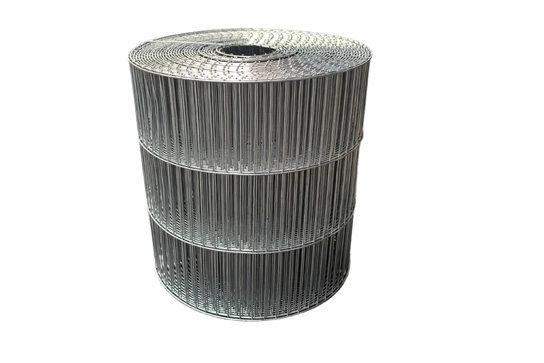
One of the most significant factors contributing to the effectiveness of mesh fencing solutions lies in the continuous improvement of materials used. Initially, wire meshes were made from simple iron or steel, which, while strong, were susceptible to rust and corrosion. Today, high-quality galvanized or PVC-coated wires are commonly employed, offering enhanced resistance against environmental wear and tear. Additionally, the introduction of composite materials, blending natural fibers with synthetic polymers, provides a lightweight yet robust option that further expands the range of applications within farming contexts. These material advancements not only increase the lifespan of the fence but also reduce maintenance costs, making them more economically viable for long-term use.
Beyond material improvements, recent years have seen a surge in innovative designs tailored specifically to address the unique challenges faced by agricultural settings. For instance, modular mesh panels allow for easy installation and customization, enabling farmers to create enclosures that perfectly fit their specific needs without requiring extensive labor or specialized tools. Furthermore, some manufacturers now offer electrically charged options, integrating low-voltage currents into the mesh structure as a humane way to deter predators and prevent escapes. This feature is particularly beneficial in areas where wildlife poses a threat to livestock safety. By combining these design elements, mesh fencing solutions for farms have become increasingly adaptable, capable of meeting diverse requirements across various farm sizes and types.
Adopting advanced mesh fencing solutions for farms not only improves operational efficiency but also contributes positively to both economic and environmental sustainability. Economically, the reduced need for frequent repairs or replacements translates into lower overall costs over time. Moreover, the initial investment in higher quality, longer-lasting materials often pays off through increased productivity and reduced losses due to improved security. Environmentally, these solutions minimize waste generation compared to conventional alternatives, as they last longer and are often recyclable at the end of their lifecycle. Additionally, by preventing soil erosion and promoting biodiversity through proper enclosure management, these fences play a role in supporting sustainable farming practices.
Despite the numerous advantages offered by current mesh fencing solutions for farms, there remain several challenges that must be addressed to fully realize their potential. For one, ensuring consistent quality control during production remains crucial to maintaining the integrity and performance of the final product. There is also a need for ongoing research and development to explore new materials and technologies that could further enhance durability, affordability, and ease of use. As the agricultural sector continues to evolve, so too will the demand for innovative solutions that can keep pace with changing needs and conditions. Looking ahead, it is likely that we will see even more sophisticated and user-friendly designs emerge, driven by advances in digital technology and smart farming techniques. These developments promise to make mesh fencing solutions for farms an even more integral part of the modern agricultural landscape.


Leave a Reply