

 English
 China
China Thailand
 Malaysia
 Vietnam
 Laos
Laos Cambodia
 Pilipinas
 Indonesia
 Russian
 Portuguese
 Arabic
 Japanese
 Spanish
 Italian
 French
 German
News
- Home
- News
- Company News
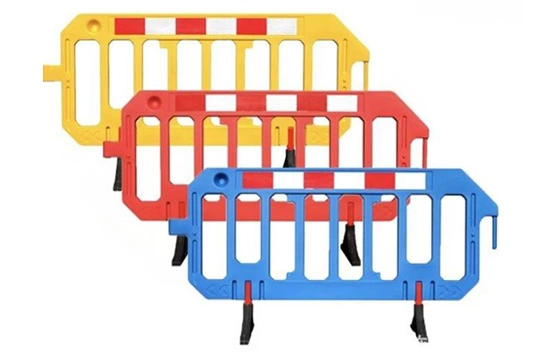
Crowd control fences, also known as barricades or barriers, are essential tools in maintaining public safety at events, demonstrations, and other gatherings. These structures play a critical role in directing the flow of people, protecting specific areas, and ensuring that activities proceed smoothly without compromising the safety of participants and bystanders. This report delves into the multifaceted roles of crowd control fences in enhancing public safety, exploring their design, application, and the broader impact on community well-being.
The effectiveness of crowd control fences is heavily dependent on their design and construction. Modern crowd control fences are engineered to be both durable and flexible, allowing them to withstand the physical stresses of large crowds while being easily assembled and disassembled. Materials such as steel, aluminum, and high-strength polymers are commonly used due to their strength and lightweight properties. The modular design of these fences enables event organizers to create custom configurations, whether it's a simple linear barrier or a more complex layout with multiple access points and enclosures. This flexibility is crucial in adapting to the unique needs of different events and venues, ensuring that the crowd control measures are both effective and unobtrusive.
The strategic placement of crowd control fences is key to their success in maintaining public safety. Event planners and security personnel must carefully consider the layout of the venue, the expected number of attendees, and potential points of congestion. By placing fences in high-traffic areas, entry and exit points, and around sensitive locations, organizers can guide the flow of people, prevent overcrowding, and ensure that emergency services have clear access if needed. For example, at a music festival, crowd control fences can be used to create designated pathways, separate VIP areas, and secure backstage regions, thereby minimizing the risk of unauthorized access and ensuring a smooth and safe experience for all participants.
Crowd control fences do not operate in isolation; they are part of a larger, integrated security system. When combined with other measures such as surveillance cameras, security personnel, and communication systems, the overall effectiveness of public safety efforts is significantly enhanced. Surveillance cameras can monitor the area around the fences, providing real-time data to security teams and enabling them to respond quickly to any incidents. Security personnel stationed near the fences can manage crowd behavior, provide assistance, and intervene if necessary. Additionally, communication systems, such as two-way radios and public address systems, allow for efficient coordination between different security elements, ensuring that any issues are addressed promptly and effectively.
Beyond their immediate function in managing crowds, crowd control fences also contribute to the broader sense of community well-being and trust. When attendees see that appropriate safety measures are in place, they are more likely to feel secure and comfortable, leading to a positive experience. This, in turn, can foster a greater sense of community and cooperation among event participants. Moreover, the use of well-designed and strategically placed crowd control fences can help prevent accidents and injuries, reducing the likelihood of negative outcomes and promoting a safer environment for everyone. In this way, crowd control fences not only protect individuals but also enhance the overall quality of public events, making them more enjoyable and memorable for all involved.
In conclusion, crowd control fences are indispensable components in the toolkit of public safety. Their design, strategic placement, and integration with other security measures make them highly effective in managing crowds and ensuring the safety of all participants. By understanding and leveraging the full potential of these barriers, event organizers and security professionals can create a secure and enjoyable environment, ultimately contributing to the well-being and trust of the community.




Leave a Reply