In the realm of industrial applications, selecting the right materials is crucial for ensuring safety, efficiency, and longevity. Among these materials, high-tensile mesh has become an indispensable component in various industries due to its strength, durability, and versatility. This technical report aims to guide project managers, engineers, and procurement specialists in choosing the most suitable high-tensile mesh for their specific industrial needs.
Understanding the Properties of High-Tensile Mesh
High-tensile mesh is designed to withstand significant stress without breaking or deforming. The term "high-tensile" refers to the material's ability to resist tensile (pulling) forces. Commonly made from metals such as steel, stainless steel, or aluminum, high-tensile mesh can also be manufactured from synthetic fibers like polyester or nylon, depending on the application. Key properties to consider include:
- Tensile Strength: The maximum amount of tensile (pulling) force that a material can withstand before failure.
- Corrosion Resistance: The ability to resist degradation due to environmental factors such as moisture, chemicals, and salt.
- Flexibility: The capacity to bend or deform without breaking, which is essential for applications requiring movement or flexibility.
- Weight: The overall weight of the mesh, which can impact installation, transportation, and structural requirements.
Understanding these properties will help you determine whether a particular high-tensile mesh is suitable for your industrial project.
Identifying the Application Requirements
Before choosing a high-tensile mesh, it is essential to clearly define the requirements of your industrial project. Consider the following factors:
- Load Capacity: Determine the maximum load that the mesh will need to support. This includes both static and dynamic loads, such as the weight of equipment, people, or materials, as well as any potential impact forces.
- Environmental Conditions: Assess the environment in which the mesh will be used. Factors such as temperature, humidity, exposure to chemicals, and UV radiation can affect the performance and lifespan of the mesh.
- Regulatory Compliance: Ensure that the chosen high-tensile mesh meets all relevant industry standards and regulations. This may include safety standards, building codes, and environmental regulations.
- Installation and Maintenance: Consider the ease of installation and the long-term maintenance requirements. Some meshes may require specialized tools or techniques for installation, while others may need regular inspections and cleaning to maintain their integrity.
By carefully evaluating these requirements, you can narrow down your options and select a high-tensile mesh that best fits your project's needs.
Evaluating Material Options
Once you have a clear understanding of your project requirements, the next step is to evaluate the different material options available. Each type of high-tensile mesh offers unique advantages and limitations, making it important to choose the one that aligns with your specific needs. Common materials include:
- Steel Mesh: Known for its high tensile strength and durability, steel mesh is often used in heavy-duty applications such as construction, mining, and security fencing. However, it is susceptible to corrosion if not properly treated.
- stainless steel mesh: Offers excellent corrosion resistance and is ideal for applications where exposure to moisture, chemicals, or salt is a concern. It is commonly used in marine environments, food processing, and pharmaceutical industries.
- Aluminum Mesh: Lightweight and corrosion-resistant, aluminum mesh is suitable for applications where weight is a critical factor. It is often used in aerospace, automotive, and architectural projects.
- Synthetic Fiber Mesh: Made from materials like polyester or nylon, synthetic fiber mesh is flexible, lightweight, and resistant to UV radiation. It is commonly used in sports facilities, landscaping, and agricultural applications.
Consider the specific properties and characteristics of each material to determine which one is the most appropriate for your industrial project.
Cost-Effectiveness and Long-Term Value
While the initial cost of high-tensile mesh is an important consideration, it is equally important to evaluate the long-term value and cost-effectiveness of the material. Factors to consider include:
- Initial Cost: Compare the upfront costs of different high-tensile mesh options. This includes the cost of the material itself, as well as any additional expenses for installation, hardware, and labor.
- Lifecycle Costs: Consider the total cost over the lifespan of the mesh, including maintenance, repairs, and replacement. A more expensive material with lower maintenance requirements may ultimately be more cost-effective than a cheaper option that requires frequent repairs.
- Energy Efficiency: In some applications, the choice of high-tensile mesh can impact energy consumption. For example, in building facades, a lightweight and reflective mesh can reduce cooling costs by reflecting sunlight and improving thermal insulation.
- Environmental Impact: Evaluate the environmental footprint of the material, including its production, transportation, and disposal. Opting for a sustainable and recyclable material can contribute to a greener and more environmentally friendly project.
By considering these factors, you can make a more informed decision that balances immediate costs with long-term benefits and sustainability.
Case Studies and Best Practices
To further illustrate the importance of choosing the right high-tensile mesh, let's look at a few case studies and best practices from various industries:
- Construction Industry: In a large-scale construction project, a high-tensile steel mesh was selected for reinforcing concrete slabs. The mesh provided the necessary tensile strength to prevent cracking and ensured the structural integrity of the building. Regular inspections and maintenance were conducted to ensure the mesh remained in good condition, extending the lifespan of the structure.
- Marine Industry: A shipyard required a corrosion-resistant mesh for securing cargo and equipment on ships. Stainless steel mesh was chosen due to its excellent resistance to saltwater and harsh marine conditions. The mesh was installed with specialized fasteners to ensure secure and durable attachment, reducing the risk of cargo shifting during transit.
- Agricultural Industry: An agricultural company needed a flexible and durable mesh for creating protective barriers around crops. Synthetic fiber mesh was selected for its lightweight and UV-resistant properties. The mesh was easy to install and maintain, providing effective protection against pests and wildlife while allowing for proper air circulation and sunlight penetration.
These case studies highlight the importance of matching the properties of high-tensile mesh with the specific requirements of the application. By following best practices and learning from real-world examples, you can ensure that your industrial project is successful and efficient.
Conclusion
Choosing the right high-tensile mesh for your industrial project is a critical decision that can significantly impact the success and longevity of the project. By understanding the properties of high-tensile mesh, identifying the application requirements, evaluating material options, and considering cost-effectiveness and long-term value, you can make an informed and strategic choice. Additionally, learning from case studies and best practices can provide valuable insights and guidance. With careful planning and selection, high-tensile mesh can enhance the safety, efficiency, and durability of your industrial project.


 English
 China
China Thailand
 Malaysia
 Vietnam
 Laos
Laos Cambodia
 Pilipinas
 Indonesia
 Russian
 Portuguese
 Arabic
 Japanese
 Spanish
 Italian
 French
 German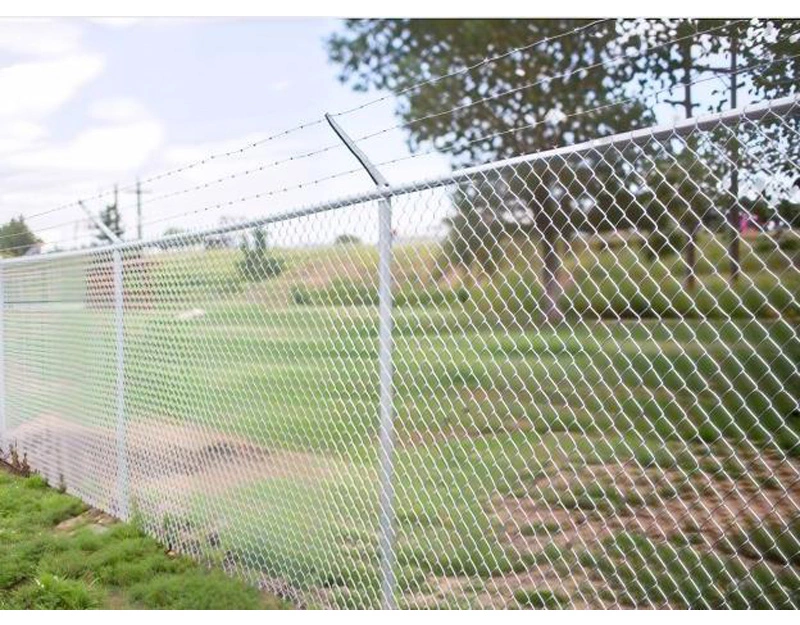
Leave a Reply