

 English
 China
China Thailand
 Malaysia
 Vietnam
 Laos
Laos Cambodia
 Pilipinas
 Indonesia
 Russian
 Portuguese
 Arabic
 Japanese
 Spanish
 Italian
 French
 German
News
- Home
- News
- Company News
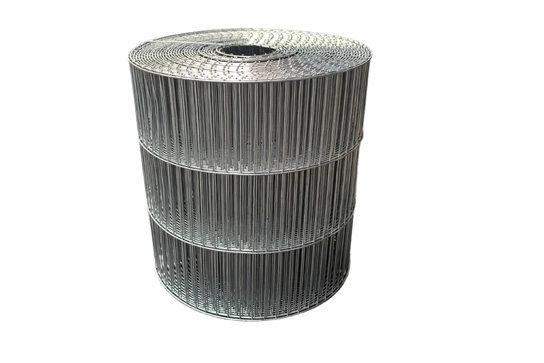
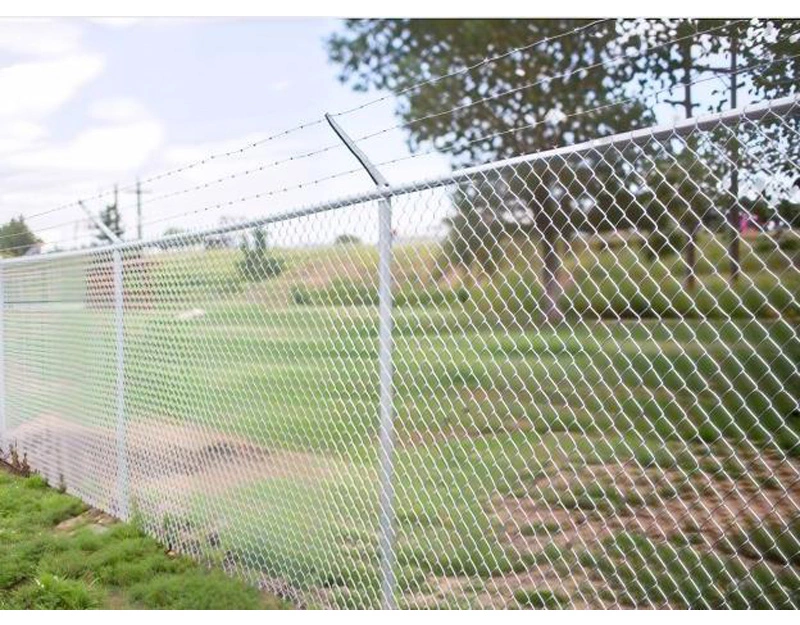
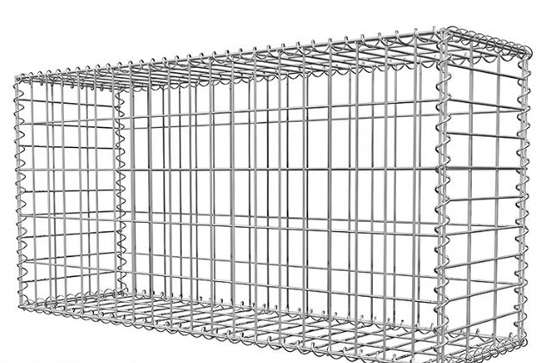
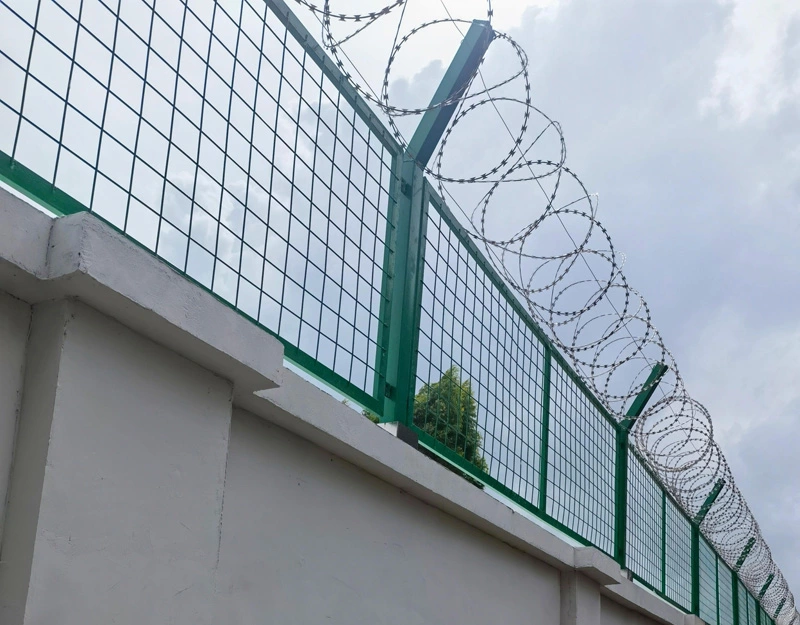
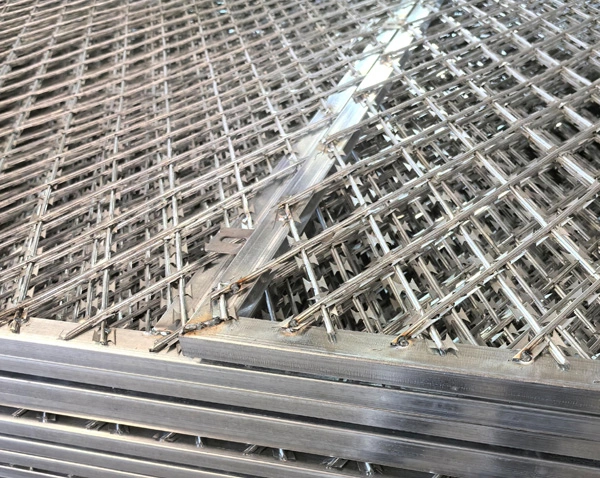
In the realm of industrial construction and maintenance, materials that can withstand extreme conditions while ensuring safety and longevity are in high demand. One such material is high-tensile mesh for industrial use, which has gained prominence due to its robust properties and versatile applications. This report explores how high-tensile mesh enhances the durability of industrial structures, focusing on its impact on structural integrity, corrosion resistance, and overall cost-effectiveness.
The primary function of any reinforcing material within an industrial structure is to increase its load-bearing capacity and stability. High-tensile mesh, made from steel or other durable alloys, offers superior tensile strength compared to traditional reinforcement options. Its ability to resist stretching and breaking under heavy loads makes it an ideal choice for strengthening walls, floors, and foundations. In scenarios where structures are exposed to significant stress, such as in mining operations or large-scale manufacturing facilities, the inclusion of high-tensile mesh ensures that these critical components remain intact and functional over long periods. By integrating this advanced material into the design phase, engineers can create buildings and infrastructure that not only meet but exceed safety standards, thereby protecting both human lives and valuable assets.
Corrosion is a major threat to the longevity of industrial structures, particularly those located in harsh environments like coastal areas or regions with high humidity. The protective coating applied to high-tensile mesh significantly reduces the risk of rust and degradation, extending the lifespan of reinforced elements. This feature is especially beneficial in chemical plants and wastewater treatment facilities, where exposure to corrosive substances is inevitable. Moreover, some varieties of high-tensile mesh come with additional treatments, such as galvanization or epoxy coatings, further enhancing their resistance to environmental factors. As a result, industries can enjoy reduced maintenance costs and increased operational efficiency, knowing that their infrastructure is shielded against one of the most common forms of damage.
While initial investment in high-quality materials may seem substantial, the long-term savings associated with using high-tensile mesh for industrial use cannot be overlooked. By minimizing the need for frequent repairs and replacements, companies can allocate resources more efficiently, leading to lower operational expenses over time. Additionally, the lightweight nature of many high-tensile meshes allows for easier transportation and installation, reducing labor costs and project timelines. For instance, in bridge construction, where weight considerations play a crucial role, employing this type of reinforcement enables builders to achieve greater spans without compromising on safety or performance. Furthermore, the environmental benefits of choosing a sustainable building solution contribute positively to corporate social responsibility initiatives, aligning business goals with ecological preservation efforts.
In conclusion, the integration of high-tensile mesh for industrial use represents a significant advancement in the field of construction and engineering. Not only does it bolster the physical attributes of industrial structures, making them more resilient and safe, but it also presents a financially sound strategy for businesses aiming to optimize their investments. With ongoing developments in material science, we can expect even more innovative applications of high-tensity mesh in the future, paving the way for safer, more efficient, and environmentally friendly industrial practices.

Leave a Reply