

 English
 China
China Thailand
 Malaysia
 Vietnam
 Laos
Laos Cambodia
 Pilipinas
 Indonesia
 Russian
 Portuguese
 Arabic
 Japanese
 Spanish
 Italian
 French
 German
News
- Home
- News
- Company News
In today's rapidly evolving industrial landscape, the quest for efficiency and safety is paramount. One of the key materials that has significantly contributed to achieving these goals is high-tensile mesh. Designed specifically for industrial applications, this material not only enhances structural integrity but also improves operational efficiency. This report delves into the various ways in which high-tensile mesh can be utilized to maximize efficiency in industrial environments.
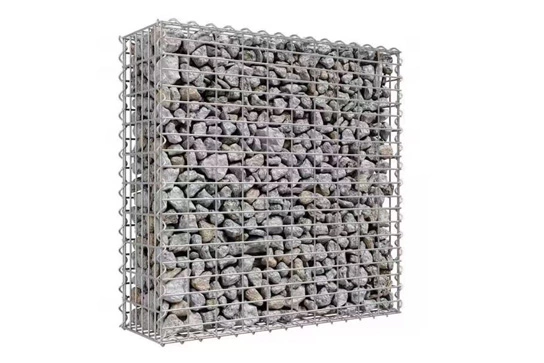
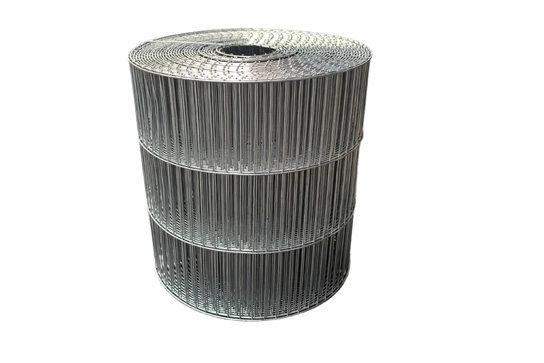
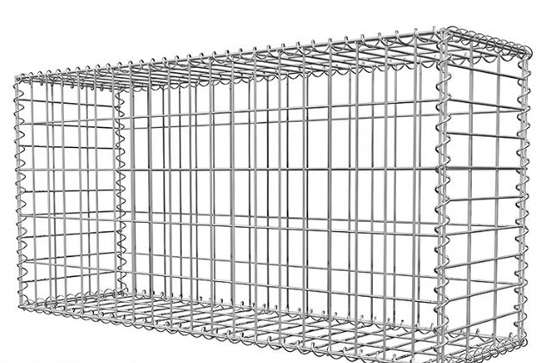
High-tensile mesh, known for its robustness and durability, plays a crucial role in reinforcing structures within industrial settings. The primary advantage of using high-tensile mesh lies in its ability to withstand significant stress without deforming or breaking. This characteristic makes it an ideal choice for applications such as reinforcement in concrete structures, retaining walls, and erosion control. By integrating high-tensile mesh into these structures, industries can ensure long-term stability and reduce maintenance costs, thereby enhancing overall efficiency.
Moreover, the flexibility of high-tensile mesh allows it to conform to various shapes and sizes, making it versatile for a wide range of industrial needs. For instance, in the construction of large-scale infrastructure projects, such as bridges and dams, the use of high-tensile mesh can significantly improve the load-bearing capacity of the structure, ensuring it remains stable under extreme conditions.
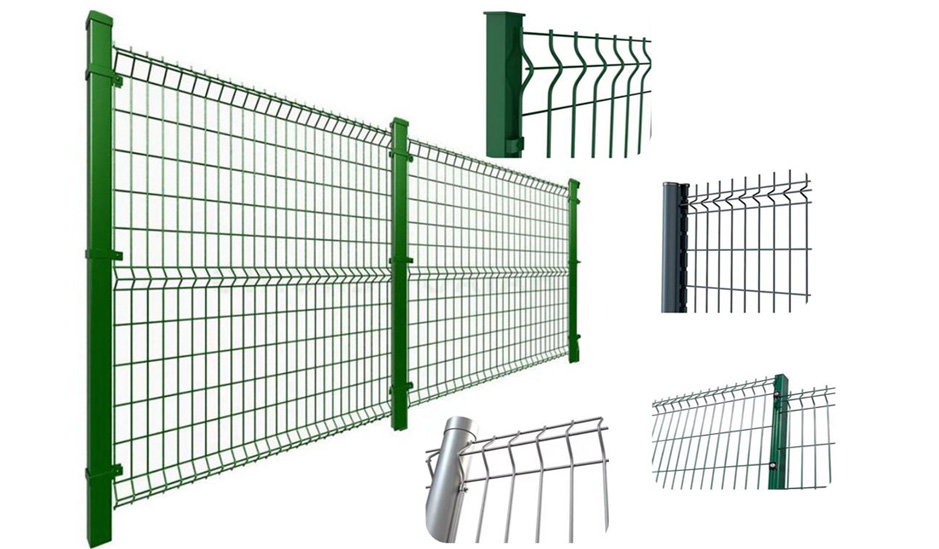
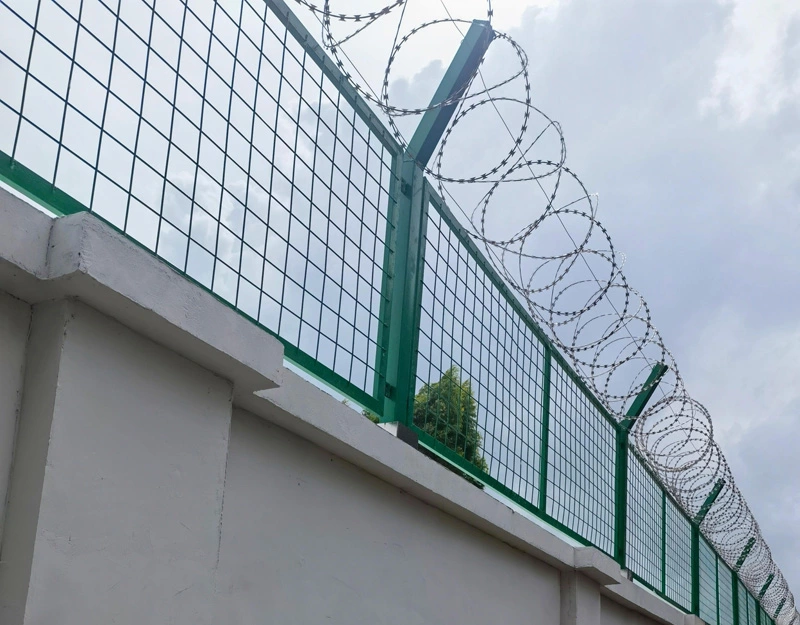
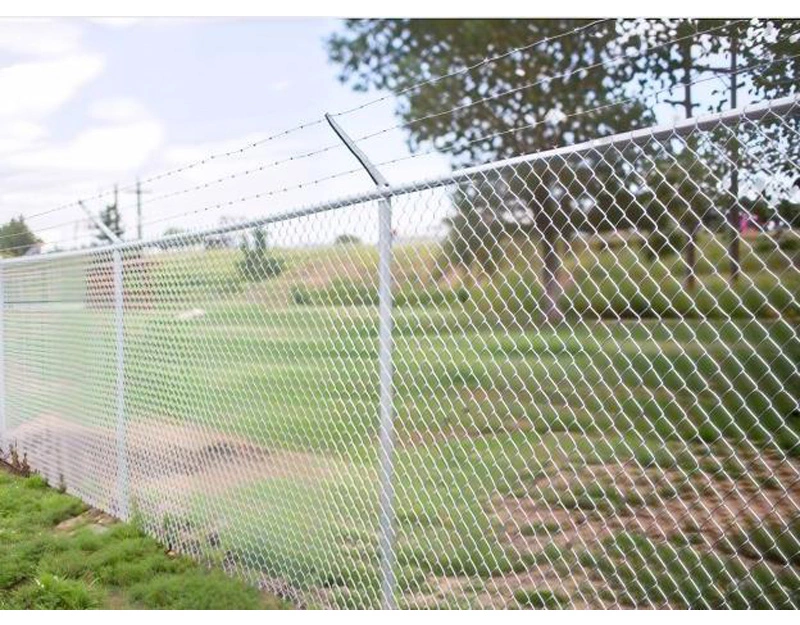
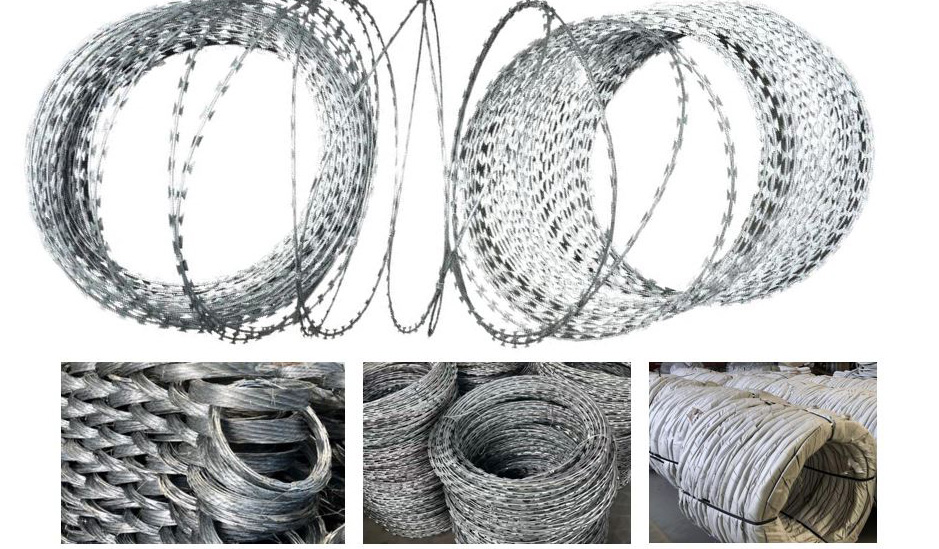
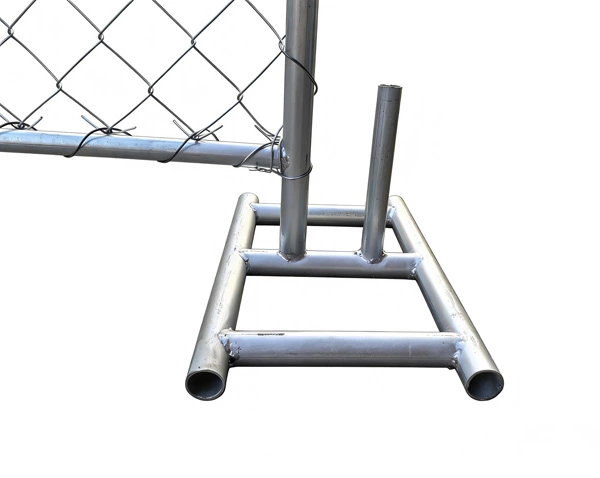
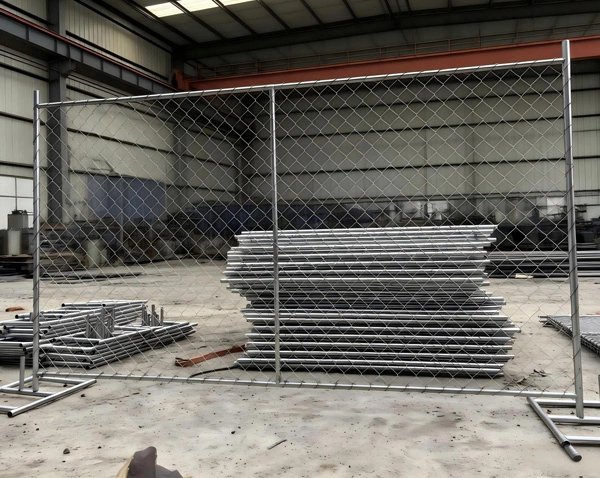
Safety is a top priority in any industrial environment. high-tensile mesh for industrial use offers a reliable solution for creating protective barriers and enclosures that can prevent accidents and injuries. In manufacturing plants, for example, high-tensile mesh can be used to create secure fencing around hazardous areas, such as machinery zones and chemical storage facilities. This not only prevents unauthorized access but also protects workers from potential hazards.
Additionally, high-tensile mesh can be employed in the construction of fall protection systems, such as guardrails and safety nets. These systems are essential in preventing falls from heights, which are one of the leading causes of workplace injuries. By providing a strong and durable barrier, high-tensile mesh ensures that workers are protected, thus reducing the risk of accidents and improving overall workplace safety.
Efficient material handling and storage are critical for maintaining smooth operations in industrial settings. High-tensile mesh can be used to create effective storage solutions, such as wire mesh containers and pallets, which offer several advantages over traditional storage methods. These containers are lightweight yet strong, allowing for easy handling and transportation while providing excellent support for heavy loads.
Furthermore, high-tensile mesh can be utilized in the design of conveyor belts and other material handling systems. The mesh's open structure allows for air circulation, which can help in drying and cooling processes. This feature is particularly beneficial in industries where temperature and humidity control are essential, such as food processing and pharmaceuticals. By optimizing material handling and storage, high-tensile mesh contributes to streamlined operations and increased productivity.
One of the most significant benefits of using high-tensile mesh in industrial environments is its low maintenance requirements and long lifespan. Unlike other materials that may degrade over time due to exposure to harsh conditions, high-tensile mesh is resistant to corrosion, rust, and wear. This durability means that it requires minimal maintenance, resulting in lower long-term costs for the industry.
For example, in the mining and quarrying sector, high-tensile mesh can be used for screening and sieving applications. The mesh's resistance to abrasion and impact ensures that it can handle the rigorous demands of these operations without frequent replacement. Similarly, in coastal and marine environments, high-tensile mesh can be used for erosion control and shoreline stabilization, where it can withstand the corrosive effects of saltwater and harsh weather conditions.
By reducing the need for frequent repairs and replacements, high-tensile mesh helps industries to allocate resources more efficiently, ultimately contributing to cost savings and improved financial performance.
The integration of high-tensile mesh for industrial use offers numerous benefits that can significantly enhance efficiency and safety in industrial environments. From reinforcing structures and improving safety to optimizing material handling and reducing maintenance costs, high-tensile mesh is a versatile and reliable solution. As industries continue to seek innovative ways to improve their operations, the adoption of high-tensile mesh will play a vital role in achieving these goals.

Leave a Reply