

 English
 China
China Thailand
 Malaysia
 Vietnam
 Laos
Laos Cambodia
 Pilipinas
 Indonesia
 Russian
 Portuguese
 Arabic
 Japanese
 Spanish
 Italian
 French
 German
News
- Home
- News
- Company News
High-tensile mesh has become an indispensable component in the construction and maintenance of industrial infrastructure. This material, known for its exceptional strength and durability, is widely used across various industries to enhance structural integrity, improve safety, and extend the lifespan of critical assets. In this report, we will explore the role of high-tensile mesh in strengthening industrial infrastructure, focusing on its applications, benefits, and the technical considerations that make it a preferred choice in many industrial settings.
High-tensile mesh is designed to withstand extreme conditions, making it suitable for a wide range of industrial applications. One of the key areas where high-tensile mesh excels is in the reinforcement of concrete structures. By integrating high-tensile mesh into concrete, engineers can significantly increase the tensile strength of the material, thereby reducing the risk of cracking and other forms of damage. This is particularly important in industrial environments where structures are subjected to heavy loads, vibrations, and environmental stressors such as temperature fluctuations and chemical exposure.
Another application of high-tensile mesh is in the construction of retaining walls and embankments. These structures often require additional support to prevent soil erosion and maintain stability. High-tensile mesh, when combined with geotextiles and other stabilization techniques, provides a robust solution for these challenges. The mesh's ability to distribute loads evenly and resist deformation ensures that retaining walls and embankments remain stable and secure over time.
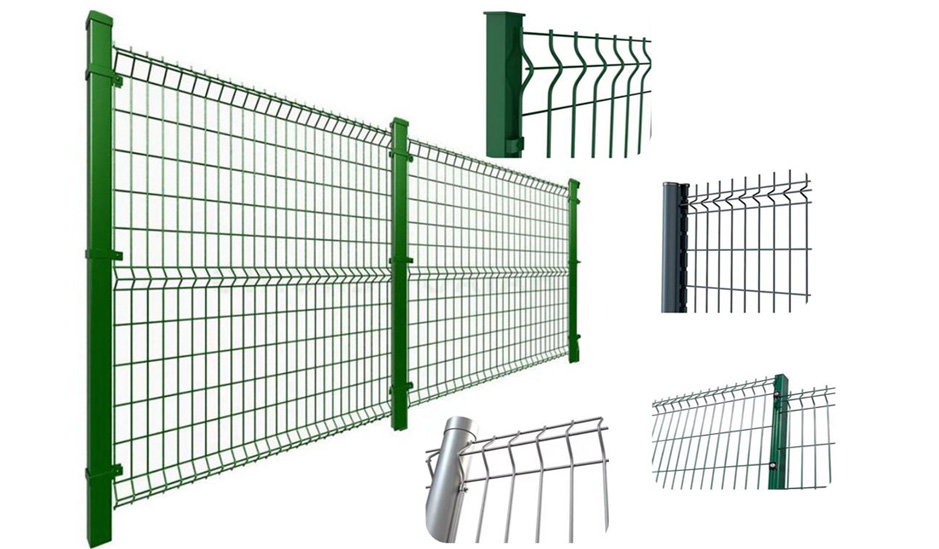
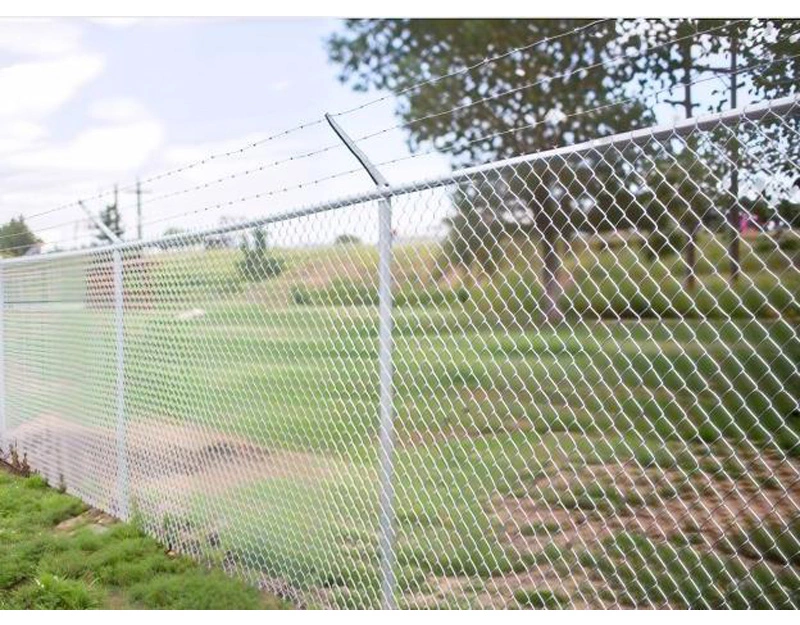
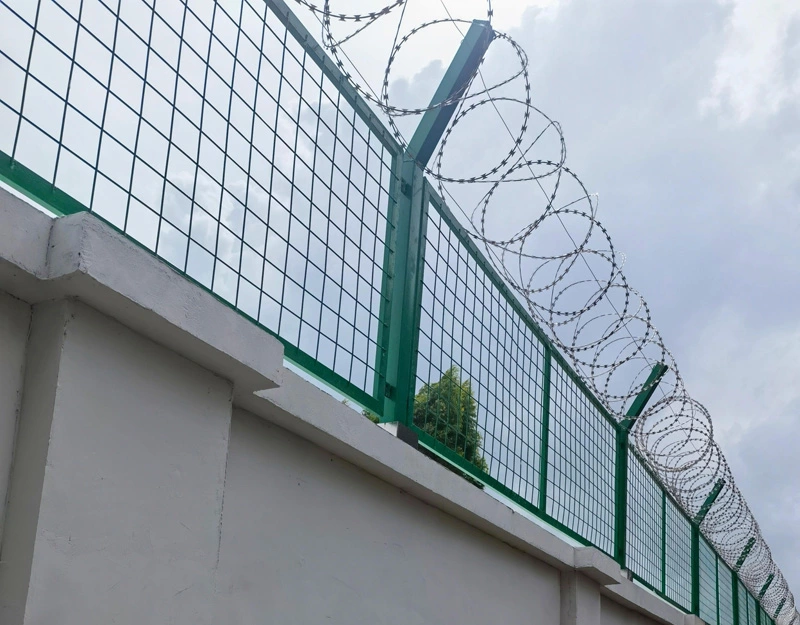
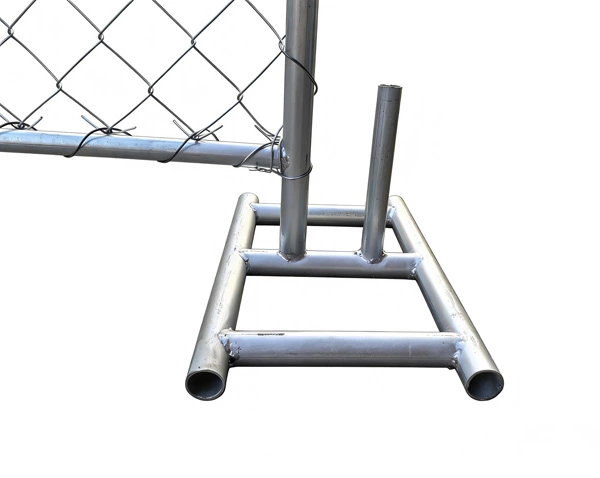
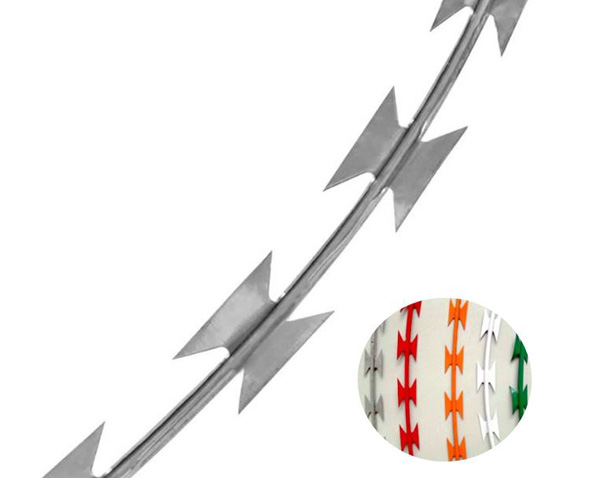
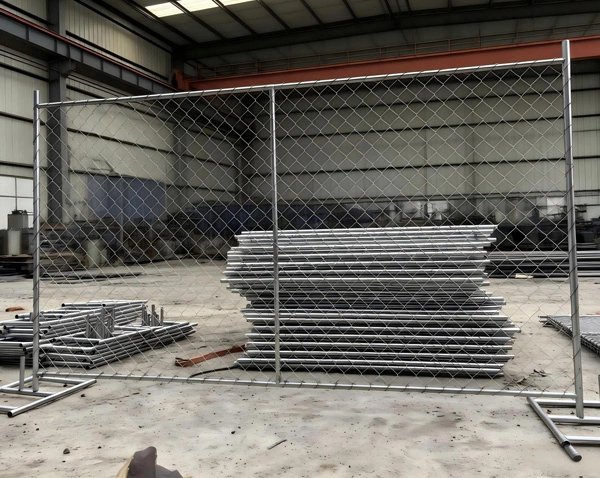
In addition to structural reinforcement, high-tensile mesh is also used in the creation of protective barriers and safety enclosures. In industrial facilities, there is a constant need to safeguard workers and equipment from potential hazards. High-tensile mesh, with its high strength and resistance to impact, is an ideal material for constructing fences, guardrails, and other safety features. These applications not only enhance the overall safety of the workplace but also contribute to compliance with industry regulations and standards.
One of the primary advantages of high-tensile mesh is its ability to enhance the structural integrity of industrial infrastructure. When integrated into concrete, the mesh provides a continuous network of reinforcement that helps to distribute stresses more evenly throughout the structure. This results in a more resilient and durable construction, capable of withstanding both static and dynamic loads without compromising its integrity.
Moreover, high-tensile mesh is highly resistant to corrosion, which is a common issue in industrial environments. Traditional reinforcement materials, such as steel rebar, are susceptible to rust and degradation when exposed to moisture, chemicals, and other corrosive agents. In contrast, high-tensile mesh is often coated with anti-corrosion treatments or made from materials that are inherently resistant to corrosion. This extends the lifespan of the reinforced structures, reducing the need for frequent repairs and replacements.
Another factor that contributes to the longevity of high-tensile mesh-reinforced structures is its ability to accommodate thermal expansion and contraction. Industrial facilities are often subject to significant temperature variations, which can cause materials to expand and contract. High-tensile mesh, with its flexibility and high tensile strength, can adapt to these changes without losing its structural properties. This reduces the likelihood of cracks and other forms of damage, ensuring that the infrastructure remains intact and functional over a longer period.
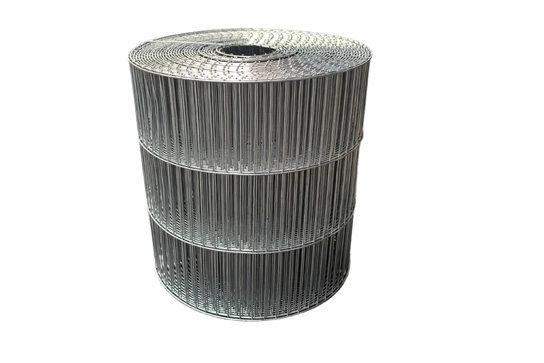
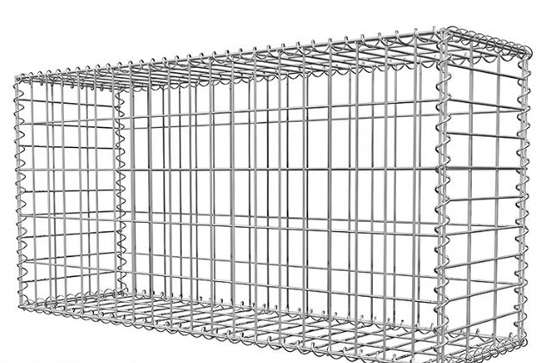
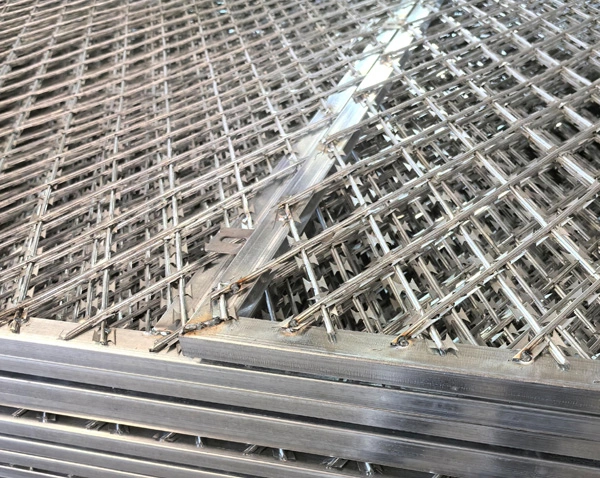
While high-tensile mesh offers numerous benefits, its successful implementation requires careful consideration of several technical factors. One of the most critical aspects is the selection of the appropriate type of mesh for the specific application. Different types of high-tensile mesh, such as woven, welded, or knitted, have varying properties and performance characteristics. Engineers must evaluate the specific requirements of the project, including load-bearing capacity, environmental conditions, and the desired lifespan of the structure, to choose the most suitable mesh.
Proper installation is another crucial aspect of using high-tensile mesh effectively. The mesh must be positioned correctly within the concrete or other structural elements to ensure optimal reinforcement. This may involve the use of spacers, ties, or other fastening methods to secure the mesh in place. Additionally, the mesh should be installed in a way that allows for proper coverage and overlap, ensuring that there are no weak points or gaps in the reinforcement.
Quality control and inspection are also essential to ensure the effectiveness of high-tensile mesh. Regular inspections during the construction process can help identify any issues or defects in the mesh, allowing for timely corrections. Furthermore, post-construction testing and monitoring can provide valuable insights into the performance of the reinforced structures, enabling proactive maintenance and extending their service life.
Finally, it is important to consider the long-term maintenance and repair of high-tensile mesh-reinforced structures. While the mesh itself is highly durable, the surrounding materials and the overall condition of the structure should be monitored regularly. Any signs of wear, corrosion, or damage should be addressed promptly to prevent more significant issues. By implementing a comprehensive maintenance plan, industrial facilities can maximize the benefits of high-tensile mesh and ensure the continued reliability of their infrastructure.
In conclusion, high-tensile mesh plays a vital role in strengthening industrial infrastructure by enhancing structural integrity, improving safety, and extending the lifespan of critical assets. Its versatility, durability, and resistance to corrosion make it an ideal choice for a wide range of applications. However, the successful implementation of high-tensile mesh requires careful consideration of technical factors, proper installation, and ongoing maintenance. By adhering to best practices and leveraging the unique properties of high-tensile mesh, industrial facilities can build and maintain robust, reliable, and safe infrastructure for years to come.

Leave a Reply