

 English
 China
China Thailand
 Malaysia
 Vietnam
 Laos
Laos Cambodia
 Pilipinas
 Indonesia
 Russian
 Portuguese
 Arabic
 Japanese
 Spanish
 Italian
 French
 German
News
- Home
- News
- Company News
Chain link temporary fence, a versatile and cost-effective solution, has become an indispensable part of modern construction. This report delves into the various applications and benefits of chain link temporary fences, exploring their role in enhancing site security, improving project efficiency, and promoting sustainability. By examining the technical aspects, practical applications, and future trends, this document aims to provide a comprehensive understanding of how Chain Link Temporary Fences are transforming the construction landscape.
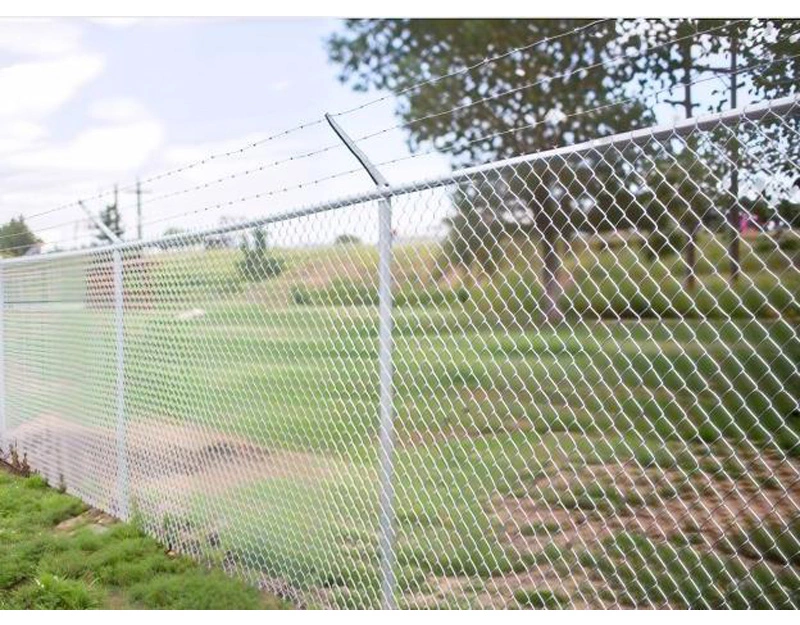
One of the primary functions of a chain link temporary fence is to enhance perimeter protection. These fences are designed to be robust and durable, making them ideal for securing construction sites against unauthorized access. The open-mesh design allows for clear visibility, ensuring that security personnel can monitor the area effectively. Additionally, the flexibility of chain link fencing allows it to be easily installed and adjusted to fit the specific needs of the site, providing a customizable security solution.
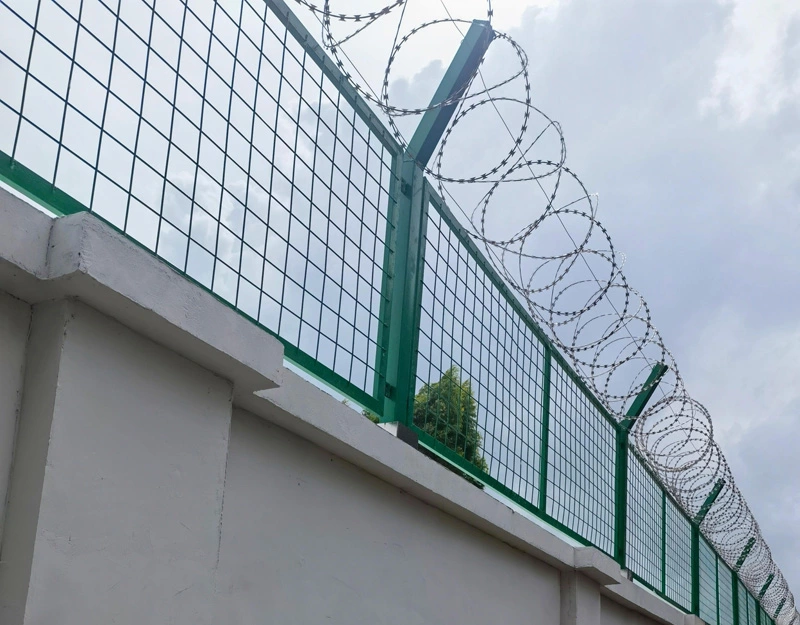
Construction sites are often targets for theft and vandalism, which can lead to significant financial losses and project delays. A chain link temporary fence acts as a physical deterrent, making it more difficult for intruders to gain access to valuable materials and equipment. The presence of a well-secured perimeter can also serve as a psychological deterrent, discouraging potential criminals from attempting to breach the site. Furthermore, the use of additional security features such as barbed wire or surveillance cameras can further enhance the protective capabilities of the fence.
One of the key advantages of chain link temporary fences is their ease of installation and removal. Unlike permanent fencing solutions, which require extensive groundwork and can be time-consuming to set up, chain link temporary fences can be quickly assembled and disassembled. This flexibility allows construction teams to rapidly secure a site at the beginning of a project and efficiently remove the fence once the work is completed. The ability to reuse the fence on multiple projects also contributes to cost savings and reduces waste.
Effective site organization is crucial for maintaining a smooth and efficient construction process. Chain link temporary fences can be used to delineate different areas within the site, such as storage zones, work areas, and pedestrian pathways. This clear demarcation helps to prevent confusion and ensures that all workers, visitors, and equipment are in the right place at the right time. Additionally, the use of signage and barriers in conjunction with the fence can further enhance site management, promoting a safer and more organized work environment.
Sustainability is a growing concern in the construction industry, and chain link temporary fences offer several environmental benefits. Firstly, the materials used in these fences, such as galvanized steel, are highly recyclable and have a long lifespan. This means that the same fence can be reused across multiple projects, reducing the need for new materials and minimizing waste. Additionally, the lightweight nature of chain link fencing makes it easier to transport, thereby lowering the carbon footprint associated with logistics.
Chain link temporary fences can also support green building practices by providing a framework for implementing sustainable construction methods. For example, they can be used to create enclosed areas for recycling and waste management, helping to keep the site clean and organized. Furthermore, the use of solar-powered lighting and other eco-friendly technologies can be integrated with the fence, contributing to a more environmentally conscious construction process. By adopting these practices, construction companies can demonstrate their commitment to sustainability and meet the growing demand for green building solutions.
As material science continues to advance, we can expect to see significant improvements in the durability and performance of chain link temporary fences. New coatings and treatments are being developed to enhance the resistance of the fence to corrosion, weathering, and other environmental factors. These advancements will not only extend the lifespan of the fence but also reduce maintenance requirements, making it a more cost-effective and reliable solution for construction projects.
The integration of smart technologies is another exciting trend in the world of chain link temporary fencing. With the advent of the Internet of Things (IoT), it is now possible to equip fences with sensors and monitoring systems that can provide real-time data on site conditions. For example, motion sensors can detect unauthorized access and trigger alarms, while environmental sensors can monitor temperature, humidity, and other factors that may affect the construction process. This data can be transmitted to a central control system, allowing for more efficient and responsive site management. As technology continues to evolve, we can expect to see even more innovative applications of smart fencing in the construction industry.


Leave a Reply