

 English
 China
China Thailand
 Malaysia
 Vietnam
 Laos
Laos Cambodia
 Pilipinas
 Indonesia
 Russian
 Portuguese
 Arabic
 Japanese
 Spanish
 Italian
 French
 German
News
- Home
- News
- Company News
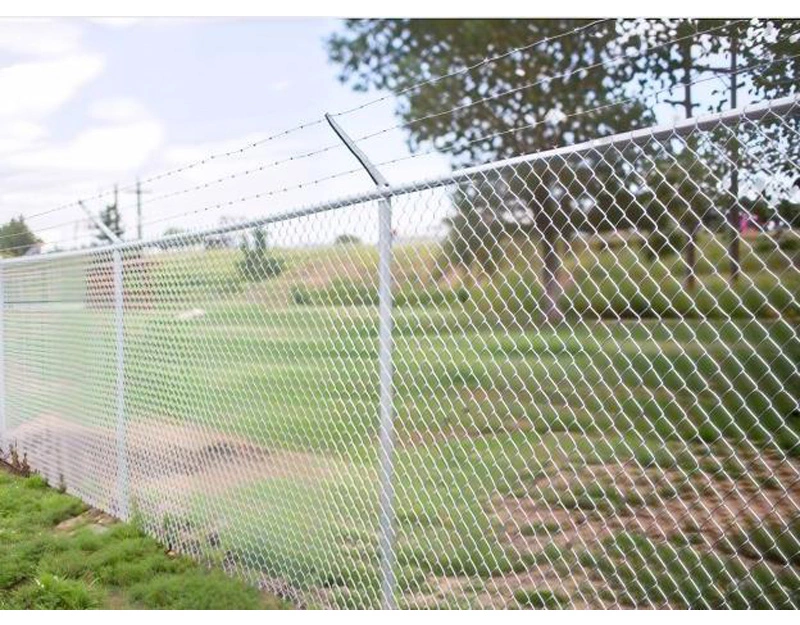
Exploring the durability of chain link temporary fence in outdoor settings is crucial for ensuring safety, security, and longevity. This report delves into the various factors that affect the performance and lifespan of chain link temporary fences, providing insights on how to maintain and improve their durability. The study covers the impact of environmental conditions, material quality, installation techniques, and maintenance practices. By understanding these key elements, stakeholders can make informed decisions to enhance the effectiveness and sustainability of Chain Link Temporary Fences in diverse outdoor environments.
The exposure of chain link temporary fences to varying weather conditions, such as extreme temperatures, humidity, and precipitation, can significantly influence their durability. For instance, prolonged exposure to high levels of moisture can lead to corrosion, weakening the structural integrity of the fence. Similarly, extreme heat or cold can cause thermal expansion and contraction, potentially leading to warping or breaking of the fence components. Understanding these weather-related challenges is essential for selecting appropriate materials and coatings that can withstand harsh environmental conditions.
Ultraviolet (UV) radiation from the sun is another critical factor that affects the durability of chain link temporary fences. Prolonged exposure to UV rays can cause the degradation of protective coatings, leading to discoloration, brittleness, and eventual failure of the fence. To mitigate this, it is advisable to use UV-resistant materials and apply protective coatings that can shield the fence from the harmful effects of sunlight. Regular inspections and timely reapplication of these coatings can help maintain the fence's appearance and structural integrity over time.
The choice of metal used in the construction of chain link temporary fences plays a vital role in determining their durability. Commonly used metals include galvanized steel, stainless steel, and aluminum. Galvanized steel, which is coated with a layer of zinc, offers excellent resistance to corrosion and rust, making it a popular choice for outdoor applications. Stainless steel, while more expensive, provides superior corrosion resistance and strength. Aluminum, on the other hand, is lightweight and naturally resistant to corrosion but may not be as strong as steel. Selecting the right type of metal based on the specific requirements and environmental conditions of the site is crucial for ensuring the longevity of the fence.
Applying appropriate coatings and finishes to chain link temporary fences can significantly enhance their durability. Powder coating, for example, provides a durable, uniform finish that resists chipping, scratching, and fading. It also offers an additional layer of protection against corrosion and UV radiation. Vinyl-coated chain link fences are another option, offering a smooth, attractive finish that is highly resistant to corrosion and weathering. These coatings not only extend the lifespan of the fence but also improve its aesthetic appeal, making it a more versatile and durable solution for outdoor settings.
The foundation and ground preparation are critical aspects of installing a chain link temporary fence. Ensuring a stable and level surface is essential for the proper alignment and stability of the fence. Uneven or poorly prepared ground can lead to sagging, misalignment, and structural weaknesses, ultimately reducing the fence's lifespan. Proper excavation, compaction, and the use of concrete footings or anchors can provide a solid base, enhancing the overall durability and performance of the fence. Additionally, using high-quality hardware and fasteners during installation can further contribute to the fence's long-term stability and reliability.
Proper tensioning and alignment are crucial for maintaining the structural integrity and appearance of a chain link temporary fence. Over-tensioning can cause the wires to stretch and weaken, while under-tensioning can result in sagging and reduced security. Achieving the correct tension requires the use of specialized tools and techniques, such as tension bars and tension bands, to ensure that the fence is taut and aligned properly. Regular inspections and adjustments can help maintain the optimal tension and alignment, extending the fence's lifespan and ensuring its effectiveness in providing security and boundary demarcation.
Regular inspections and cleaning are essential for maintaining the durability of chain link temporary fences. Periodic visual inspections can help identify signs of wear, damage, or corrosion early, allowing for timely repairs and maintenance. Cleaning the fence regularly with water and mild detergent can remove dirt, debris, and contaminants that can accelerate corrosion and degradation. Additionally, removing any vegetation or debris that may accumulate around the fence can prevent moisture buildup and reduce the risk of damage. Establishing a routine maintenance schedule can help ensure that the fence remains in good condition and continues to serve its intended purpose effectively.
Addressing any issues promptly through timely repairs and replacements is crucial for sustaining the durability of chain link temporary fences. Minor damages, such as broken links or loose fittings, should be repaired as soon as they are detected to prevent them from escalating into more significant problems. In cases where corrosion or damage is extensive, it may be necessary to replace affected sections of the fence. Using high-quality replacement parts and following proper installation procedures can help restore the fence's structural integrity and extend its lifespan. By prioritizing regular maintenance and prompt repairs, stakeholders can ensure that their chain link temporary fences remain durable and effective in outdoor settings.
Leave a Reply