

 English
 China
China Thailand
 Malaysia
 Vietnam
 Laos
Laos Cambodia
 Pilipinas
 Indonesia
 Russian
 Portuguese
 Arabic
 Japanese
 Spanish
 Italian
 French
 German
News
- Home
- News
- Company News
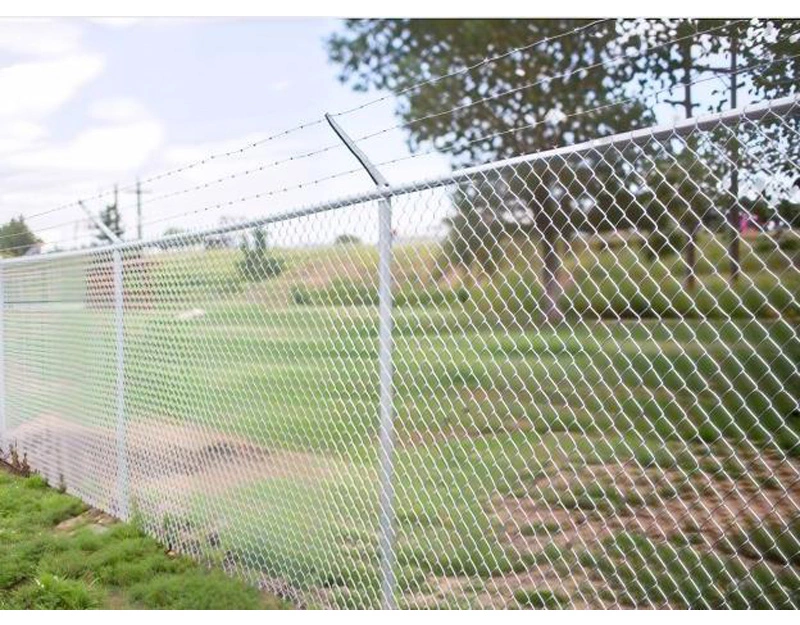
Chain Link Temporary fence solutions have become increasingly popular in various applications, from construction sites to event management, due to their flexibility and cost-effectiveness. This technical report delves into the strategic placement of chain link barriers to maximize security. By examining case studies and practical applications, we aim to provide a comprehensive guide on how these temporary fences can be used to enhance safety and security measures. The report will cover the importance of site assessment, the role of visibility, integration with other security systems, and the maintenance of Temporary Fencing for long-term effectiveness.
Before installing any Chain Link Temporary Fence, it is crucial to conduct a thorough site assessment. This involves understanding the terrain, layout, and specific security needs of the area. For example, if the site is hilly or has uneven ground, additional support may be required to ensure the stability of the fence. Additionally, identifying key access points and high-traffic areas will help in determining the optimal placement of the barriers.
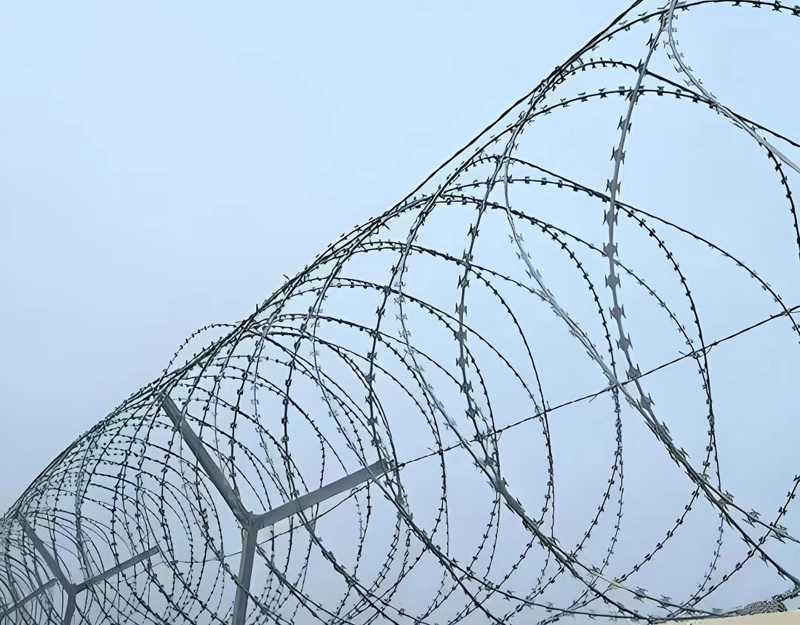
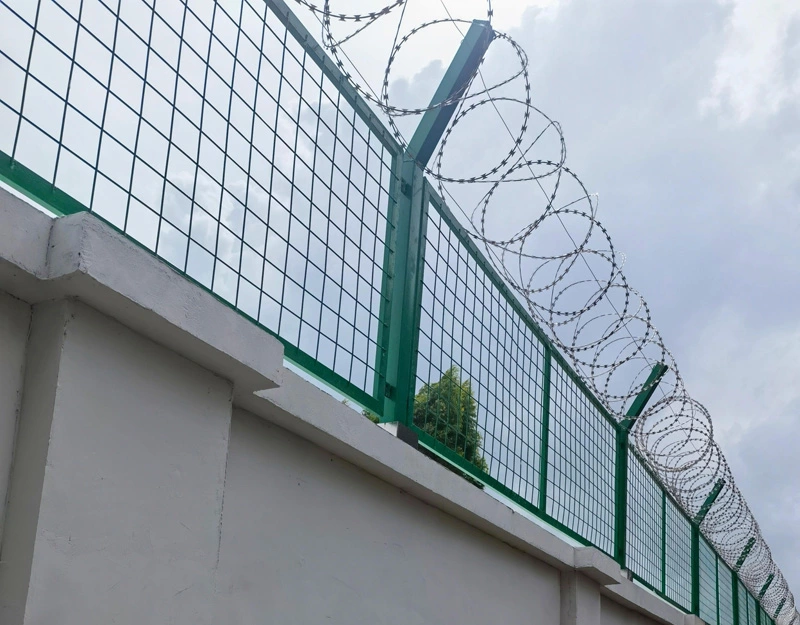
Another critical aspect of site assessment is evaluating potential security risks. This includes assessing the likelihood of unauthorized access, vandalism, and other threats. By understanding these risks, you can design a more effective barrier system that addresses specific vulnerabilities. For instance, areas with higher risk may require double-layered fencing or additional security features such as barbed wire or electronic monitoring systems.
Visibility is a key factor in maximizing the security provided by chain link temporary fences. Clear sightlines allow security personnel to monitor the area effectively and respond quickly to any incidents. When placing the fence, it is important to avoid creating blind spots or obstructing views. This can be achieved by strategically positioning the fence and using materials that do not block vision, such as open-weave chain link fabric.
Enhancing visibility can also be achieved through the integration of lighting and surveillance systems. Proper lighting, especially at night, can deter intruders and make it easier to detect any suspicious activity. Surveillance cameras can be mounted on or near the fence to provide real-time monitoring. Combining these elements with the chain link temporary fence creates a multi-layered security approach that significantly enhances overall protection.
While chain link temporary fences provide a strong physical barrier, integrating them with other security systems can further enhance their effectiveness. For example, adding electronic access control systems, such as keycard readers or biometric scanners, can restrict entry to authorized personnel only. This combination of physical and electronic security measures creates a robust defense against unauthorized access and helps in maintaining a secure environment.
Alarm systems are another valuable addition to a chain link temporary fence. These systems can be designed to trigger alerts when the fence is breached or tampered with. Integrating these alarms with a central monitoring system allows for immediate response to any security breaches. Additionally, remote monitoring services can provide 24/7 surveillance, ensuring that the site remains secure even when no one is physically present.
To ensure the long-term effectiveness of a chain link temporary fence, regular inspections and maintenance are essential. Regular inspections help identify any damage or wear and tear that may compromise the integrity of the fence. Prompt repairs, such as fixing broken links or reinforcing weak sections, can prevent minor issues from becoming major security vulnerabilities. Establishing a routine maintenance schedule will help in keeping the fence in optimal condition and extending its lifespan.
Security threats and requirements can change over time, and it is important to adapt the chain link temporary fence accordingly. Upgrading the fence with new features, such as anti-climb devices or improved locking mechanisms, can address emerging security challenges. Additionally, staying informed about the latest security technologies and best practices will help in continuously improving the effectiveness of the fence. Regularly reviewing and updating the security plan ensures that the chain link temporary fence remains a reliable and effective barrier.

Leave a Reply