

 English
 China
China Thailand
 Malaysia
 Vietnam
 Laos
Laos Cambodia
 Pilipinas
 Indonesia
 Russian
 Portuguese
 Arabic
 Japanese
 Spanish
 Italian
 French
 German
News
- Home
- News
- Company News
Understanding the role and placement of a road delineator is crucial for ensuring safe and efficient traffic flow. A road delineator post serves as a visual guide, helping drivers navigate roads, especially in low visibility conditions or complex driving environments. This document aims to provide a comprehensive overview of what road delineators are, their importance in road safety, and guidelines on where and how they should be placed. By exploring these aspects, we can better appreciate the critical function that road delineators play in enhancing road safety and guiding motorists.
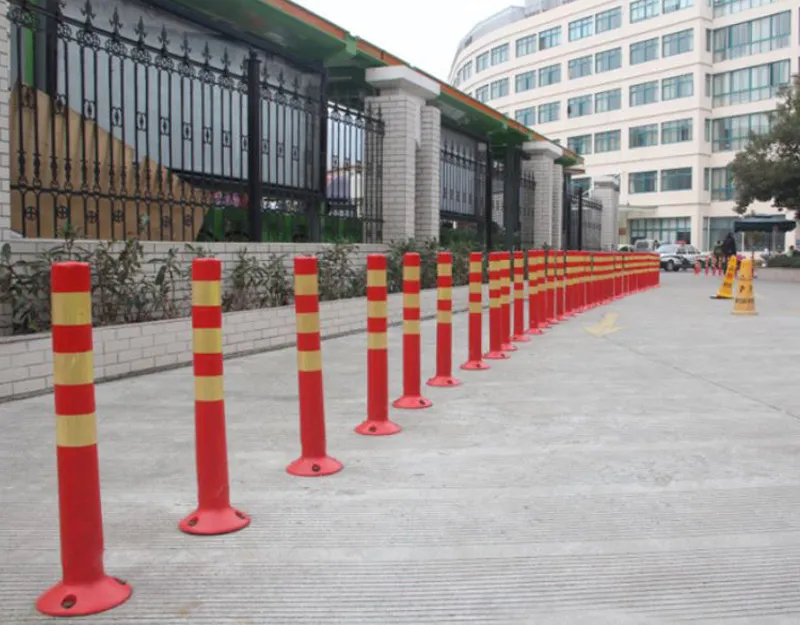
Road delineators are devices used to mark the boundaries of a roadway, outline the edges of lanes, or indicate obstacles along the roadside. They come in various forms, including posts, markers, and reflectors, but the most common type seen on highways and rural roads is the road delineator post. These posts are typically made from durable materials such as plastic, metal, or fiberglass, designed to withstand harsh weather conditions and potential impacts from vehicles. The primary purpose of a road delineator post is to enhance driver awareness and improve road safety by clearly marking the path of travel.
The key functions of road delineators include guiding drivers, particularly during nighttime or adverse weather conditions when visibility is poor. They help prevent accidents by making it easier for motorists to stay within their designated lane and avoid running off the road. Additionally, road delineators contribute significantly to the overall efficiency of the transportation system by reducing congestion and improving traffic flow. By providing clear visual cues, they assist drivers in making safer decisions, thereby lowering the risk of collisions and other road-related incidents.
Selecting the right material for a road delineator post is essential for ensuring its longevity and effectiveness. Common materials include high-density polyethylene (HDPE), which offers excellent resistance against UV radiation, extreme temperatures, and physical impacts. Metal posts, often made from aluminum or steel, are also popular due to their strength and durability. However, they may require more maintenance compared to plastic options. Fiberglass posts combine the benefits of both plastics and metals, offering a lightweight yet robust solution. The choice of material depends on factors such as the expected lifespan, environmental conditions, and budget constraints.
To maximize their visibility, road delineator posts are often equipped with reflective strips or coatings. These reflective elements work by reflecting light back to the source, making the delineator visible even in low-light situations. Reflective materials can be categorized into two main types: glass bead and microprismatic. Glass bead technology uses tiny glass spheres embedded in the surface of the material, while microprismatic technology employs microscopic prisms that direct light more efficiently. Both methods significantly enhance the visibility of the road delineator, ensuring that drivers can easily spot them from a distance, thus improving road safety.
The strategic placement of road delineator posts is vital for their effectiveness. Generally, they should be installed at regular intervals along the edge of the road, especially in areas where the road curves, narrows, or has potential hazards such as ditches or cliffs. In urban settings, delineators can be used to separate lanes, manage traffic flow, and guide pedestrians. It is important to consider the specific needs of each location, taking into account factors like traffic volume, speed limits, and the presence of other road markings. Proper placement ensures that the delineators serve their intended purpose without causing any unnecessary distractions or obstructions.
Proper installation of road delineator posts involves several steps to ensure they remain secure and functional over time. First, the ground must be prepared by removing any debris and ensuring a stable foundation. Next, the post is either driven into the ground or mounted on a base, depending on the design. For added stability, some installations may require concrete or asphalt anchors. Regular maintenance is also crucial to keep the delineators in good condition. This includes checking for damage, replacing worn-out or broken parts, and cleaning the reflective surfaces to maintain optimal visibility. Adhering to these installation and maintenance practices helps extend the lifespan of the road delineator posts and ensures they continue to provide reliable guidance to drivers.
When it comes to the use of road delineator posts, there are various international and local regulations that must be followed. International standards, such as those set by the International Organization for Standardization (ISO) and the European Committee for Standardization (CEN), provide guidelines on the design, materials, and performance requirements of road delineators. These standards ensure that the products meet a certain level of quality and safety. Additionally, local authorities and transportation departments have their own specific rules and regulations regarding the placement, color, and height of road delineators. Compliance with these regulations is essential to ensure that the delineators are effective and do not pose any legal or safety issues.
Adhering to regulatory standards is not only a legal requirement but also a key factor in ensuring the safety and effectiveness of road delineator posts. To achieve this, it is important to conduct regular inspections and audits to verify that the delineators meet the required specifications. This includes checking for proper installation, adequate visibility, and the absence of any defects or damage. Training and certification programs for installers and maintenance personnel can also help ensure that the delineators are installed and maintained correctly. By following these guidelines, road authorities and contractors can ensure that the road delineator posts are not only compliant with regulations but also contribute positively to road safety and traffic management.


Leave a Reply