How to Properly Install a Post for Maximum Safety Benefits
Introduction
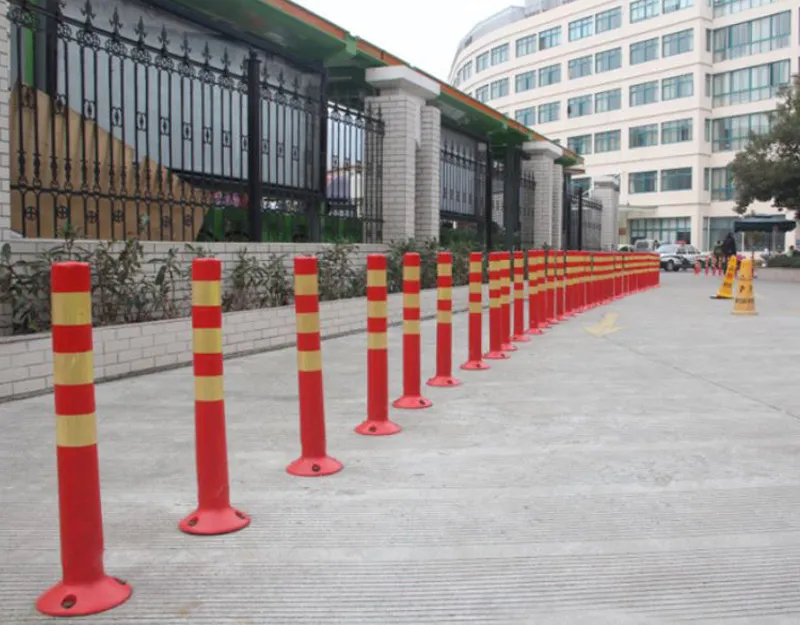
The installation of a road delineator post is an essential aspect of road safety, providing guidance and visibility to drivers, especially in low-light conditions. Properly installed posts can significantly reduce the risk of accidents by clearly marking lane boundaries, curves, and other critical points on the road. This technical report will explore the best practices for installing a road delineator post, with a focus on maximizing safety benefits. The document will cover key considerations such as site assessment, post selection, installation techniques, and maintenance.
Site Assessment: A Critical First Step
Before any installation can begin, it is imperative to conduct a thorough site assessment. This process involves evaluating the specific needs and conditions of the area where the road delineator post will be placed. Factors to consider include:
- Traffic volume and speed: High-traffic areas or those with faster-moving vehicles may require more robust and visible delineators.
- Road surface: The type of road surface (e.g., asphalt, concrete) can influence the choice of mounting method and the durability of the post.
- Weather and environmental conditions: Areas prone to harsh weather, such as heavy rain, snow, or high winds, may require more durable materials and additional anchoring.
- Visibility: Ensure that the chosen location provides maximum visibility, especially during night-time and adverse weather conditions.
A comprehensive site assessment will help in selecting the most appropriate type of road delineator post and installation method, ensuring that the final setup is both effective and long-lasting.
Selecting the Right Road Delineator Post
Choosing the right road delineator post is crucial for achieving the desired safety outcomes. There are several types of posts available, each with its own set of advantages and limitations. Key factors to consider when selecting a post include:
- Material: Common materials include plastic, metal, and composite. Plastic posts are lightweight and cost-effective but may be less durable. Metal posts offer greater strength and longevity but are heavier and more expensive. Composite posts combine the benefits of both, offering a balance between weight, cost, and durability.
- Height and visibility: The height of the post should be sufficient to ensure clear visibility from a distance. Reflective strips or LED lights can enhance visibility, especially in low-light conditions.
- Flexibility: In areas where impact from vehicles is likely, flexible posts can absorb and deflect energy, reducing the risk of damage to the vehicle and the post itself.
- Mounting options: Posts can be mounted using various methods, including ground anchors, concrete bases, and adhesive pads. The choice of mounting method should be based on the site conditions and the expected level of traffic.
By carefully considering these factors, you can select a road delineator post that meets the specific requirements of the site and maximizes safety benefits.
Installation Techniques for Optimal Performance
Proper installation is key to ensuring that the road delineator post performs effectively and safely. Here are some best practices for installing the post:
- Prepare the Site: Clear the area of any debris and mark the exact location where the post will be installed. If necessary, dig a hole or prepare a base for the post, depending on the mounting method.
- Install the Mounting Base: For posts that require a concrete base, mix and pour the concrete according to the manufacturer's instructions. Allow the concrete to cure fully before proceeding. For ground anchors, drive the anchor into the ground to the specified depth, ensuring it is secure and level.
- Attach the Post: Place the road delineator post onto the mounting base or ground anchor. Use the appropriate fasteners, such as bolts or clips, to secure the post firmly. Ensure that the post is straight and aligned correctly.
- Check for Stability: After installation, test the stability of the post by gently pushing it. It should not wobble or move. If it does, recheck the mounting and make any necessary adjustments.
- Final Inspection: Conduct a final inspection to ensure that the post is properly installed, visible, and free from any obstructions. Make sure that all reflective elements are clean and functioning correctly.
Following these steps will help ensure that the road delineator post is installed correctly and will provide the maximum safety benefits.
Maintenance and Longevity
Regular maintenance is essential to ensure that the road delineator post continues to function effectively over time. Some key maintenance tasks include:
- Inspection: Regularly inspect the post for any signs of damage, wear, or misalignment. Check for loose fasteners, cracks, or fading reflective elements.
- Cleaning: Clean the post and reflective elements to remove dirt, grime, and other debris that can reduce visibility. Use mild soap and water, and avoid abrasive cleaners that could damage the surface.
- Replacement: Replace any damaged or worn parts promptly. This includes broken posts, faded reflective strips, or malfunctioning LED lights.
- Repositioning: If the post has been knocked out of alignment, reposition it to ensure it is straight and securely anchored.
By implementing a regular maintenance schedule, you can extend the lifespan of the road delineator post and ensure that it continues to provide the intended safety benefits.
Conclusion
The proper installation of a road delineator post is a critical component of road safety. By conducting a thorough site assessment, selecting the right type of post, using proper installation techniques, and maintaining the post regularly, you can maximize its safety benefits. These steps will help ensure that the road delineator post remains a reliable and effective tool for guiding and protecting drivers on the road.


 English
 China
China Thailand
 Malaysia
 Vietnam
 Laos
Laos Cambodia
 Pilipinas
 Indonesia
 Russian
 Portuguese
 Arabic
 Japanese
 Spanish
 Italian
 French
 German


Leave a Reply