

 English
 China
China Thailand
 Malaysia
 Vietnam
 Laos
Laos Cambodia
 Pilipinas
 Indonesia
 Russian
 Portuguese
 Arabic
 Japanese
 Spanish
 Italian
 French
 German
News
- Home
- News
- Company News
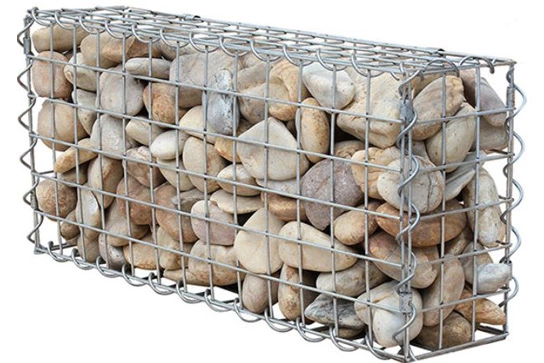
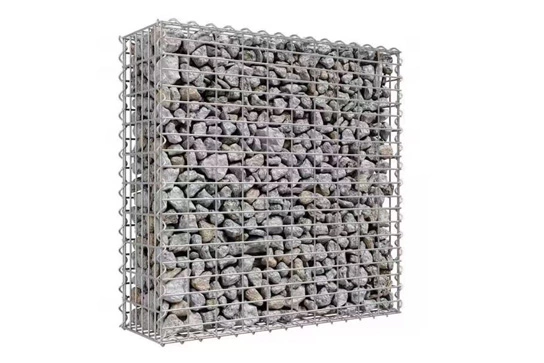
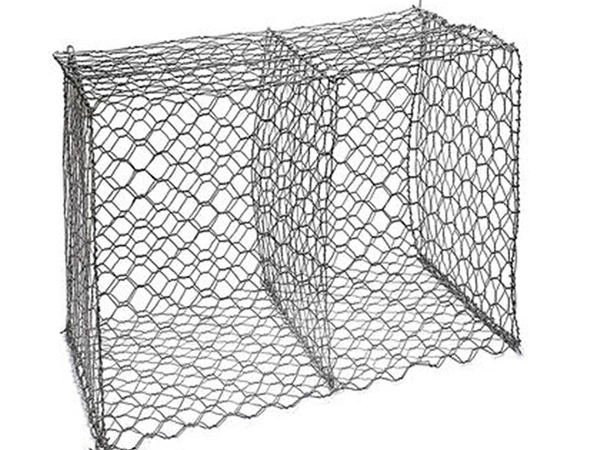
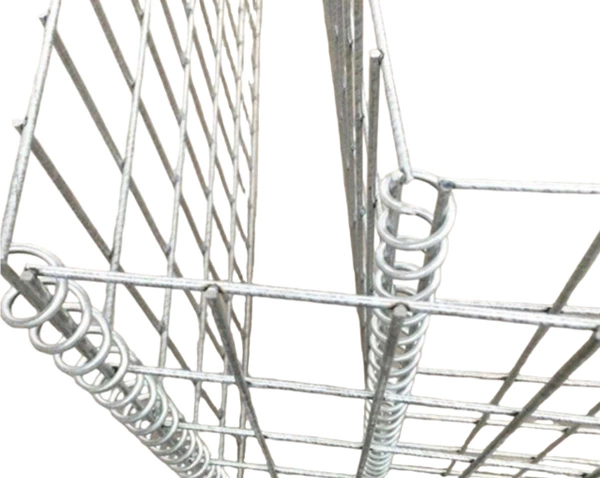
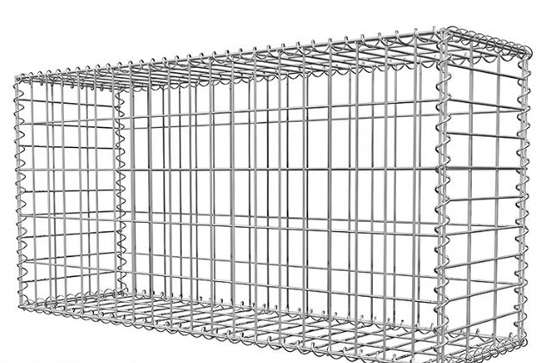
Gabions, traditionally used in civil engineering for their structural integrity and durability, have recently gained attention due to their potential environmental benefits. This report aims to explore how the use of gabions in civil engineering projects can contribute positively to the environment, focusing on several key aspects: reducing carbon footprint, enhancing biodiversity, and promoting sustainable water management.
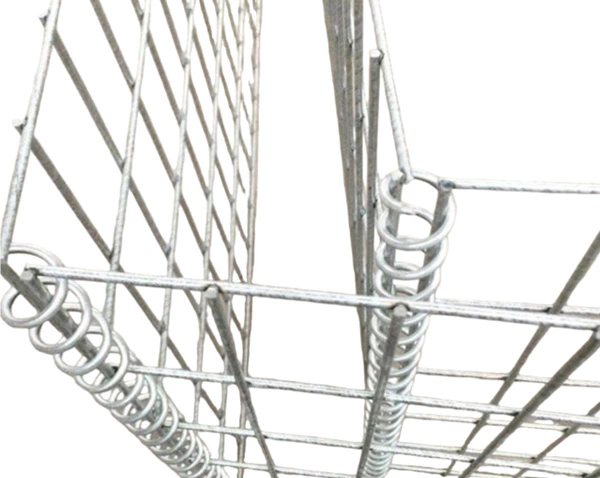
The construction industry is one of the largest contributors to global carbon emissions, with a significant portion of these emissions stemming from the production and transportation of materials. Gabions, typically made from wire mesh filled with stones or other natural materials, offer a more environmentally friendly alternative compared to traditional concrete or steel structures. The primary material used in gabion baskets - stone - is abundant and often sourced locally, thereby minimizing the carbon footprint associated with transportation. Additionally, the manufacturing process of wire mesh requires less energy than that of producing steel or concrete, further reducing the overall environmental impact. By choosing gabions over conventional materials, civil engineers can significantly lower the project's greenhouse gas emissions, contributing to a more sustainable future.
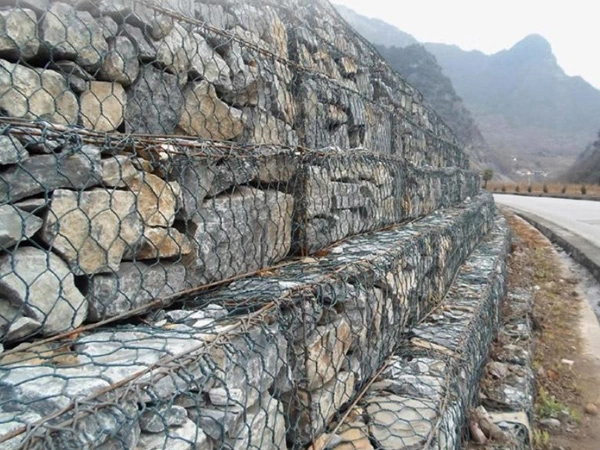
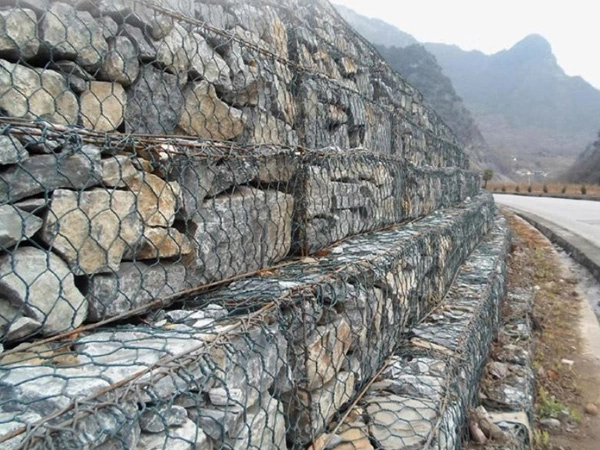
One of the most compelling environmental benefits of using gabions in civil engineering projects is their ability to create habitats that support local wildlife. Unlike solid concrete walls or barriers, which can disrupt ecosystems and limit the movement of animals, gabions provide a permeable structure that allows for the growth of vegetation. Plants can naturally grow through the gaps in the gabion baskets, creating green spaces that serve as food sources and shelter for various species. Moreover, the varied textures and microhabitats formed by the interlocking stones within the gabions can attract insects, birds, and small mammals, thereby enhancing local biodiversity. In urban areas, where green space is at a premium, incorporating gabions into infrastructure designs not only improves the aesthetic appeal but also plays a crucial role in maintaining ecological balance.
Effective water management is essential for sustainable development, especially in regions prone to flooding or drought. Gabions play a vital role in this context by providing a flexible yet robust solution for controlling water flow and erosion. When used in riverbank stabilization, coastal protection, or slope reinforcement, gabions allow water to pass through while retaining soil and preventing erosion. This characteristic makes them particularly useful in flood-prone areas, where they can help dissipate the force of flowing water, reducing the risk of damage to surrounding structures and communities. Furthermore, the porous nature of gabions enables them to filter out sediments and pollutants, improving water quality. In areas experiencing water scarcity, gabions can be designed to capture and store rainwater, supporting local agriculture and recharging groundwater supplies. By integrating gabions into water management strategies, civil engineers can enhance the resilience of both natural and built environments against the impacts of climate change.
In conclusion, the adoption of gabions in civil engineering projects offers numerous environmental benefits, including reduced carbon footprint, enhanced biodiversity, and improved water management. As the world continues to grapple with the challenges of climate change and environmental degradation, it is imperative that we embrace innovative and sustainable solutions like gabions. By doing so, we can not only build more resilient infrastructure but also foster a healthier and more balanced ecosystem. Civil engineers, policymakers, and developers should consider the integration of gabions into their projects as a step towards a greener and more sustainable future.

Leave a Reply