

 English
 China
China Thailand
 Malaysia
 Vietnam
 Laos
Laos Cambodia
 Pilipinas
 Indonesia
 Russian
 Portuguese
 Arabic
 Japanese
 Spanish
 Italian
 French
 German
News
- Home
- News
- Company News
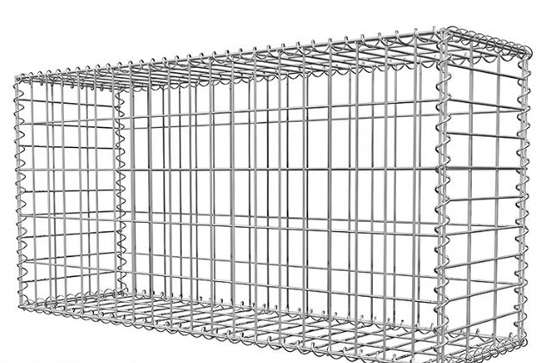
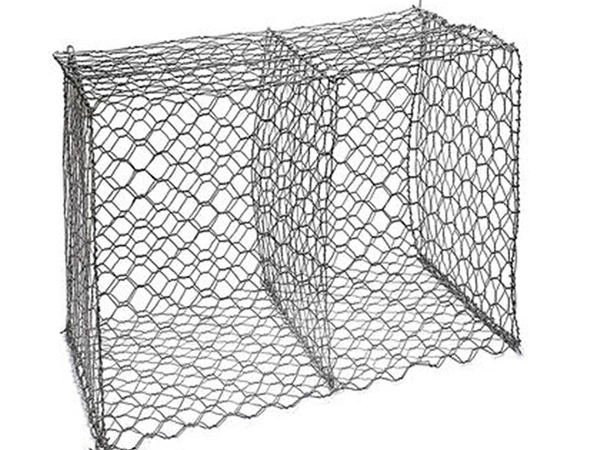
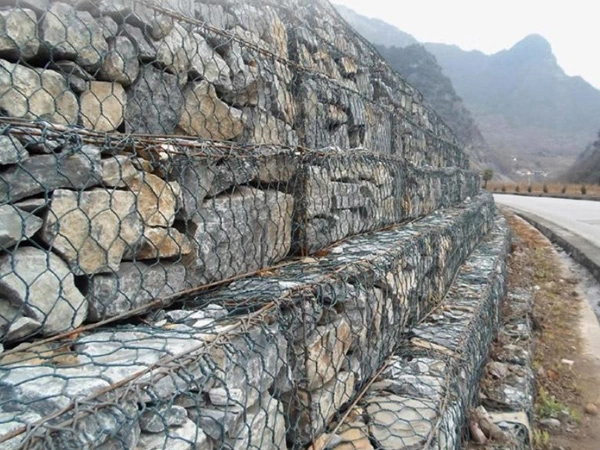
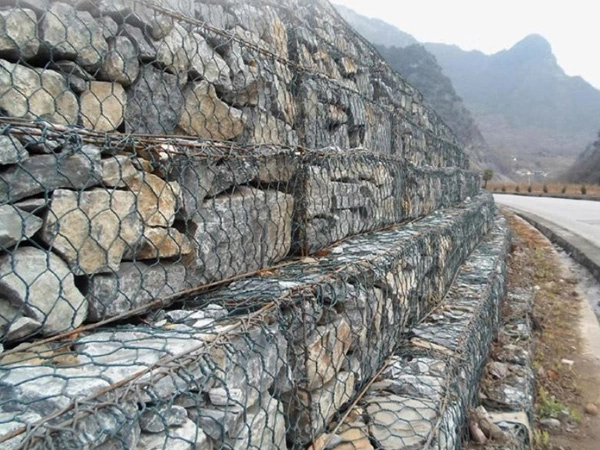
Gabions, a versatile and cost-effective solution for erosion control, retaining walls, and other civil engineering applications, have been gaining popularity due to their durability, environmental friendliness, and ease of installation. This report aims to explore various cost-effective methods for installing and maintaining gabion baskets, providing valuable insights for both new and experienced users. The discussion will cover three main areas: the selection of materials and site preparation, efficient installation techniques, and long-term maintenance strategies.
Choosing the right materials is crucial for ensuring the effectiveness and longevity of Gabion Structures. Gabions are typically made from galvanized or PVC-coated steel wire, which provides excellent resistance to corrosion and weathering. When selecting materials, it's important to consider the specific requirements of the project, such as the expected load, environmental conditions, and budget constraints. For instance, in highly corrosive environments, using PVC-coated wire can significantly extend the lifespan of the gabion baskets.
Site preparation is another critical step that should not be overlooked. Before installing gabions, the ground must be properly leveled and compacted to provide a stable foundation. Any vegetation, debris, or loose soil should be removed to ensure a solid base. Additionally, drainage systems, such as French drains or perforated pipes, may need to be installed to prevent water accumulation, which can undermine the stability of the gabion structure over time. Proper site preparation not only enhances the structural integrity of the gabion but also reduces the likelihood of future maintenance issues.
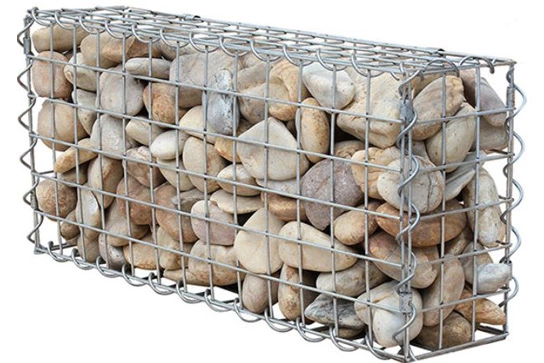
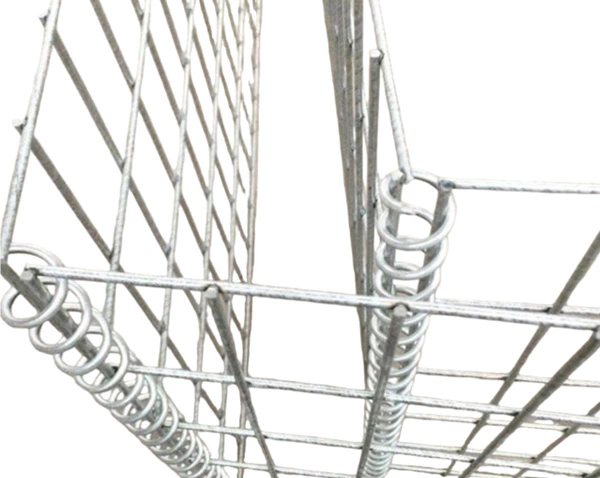
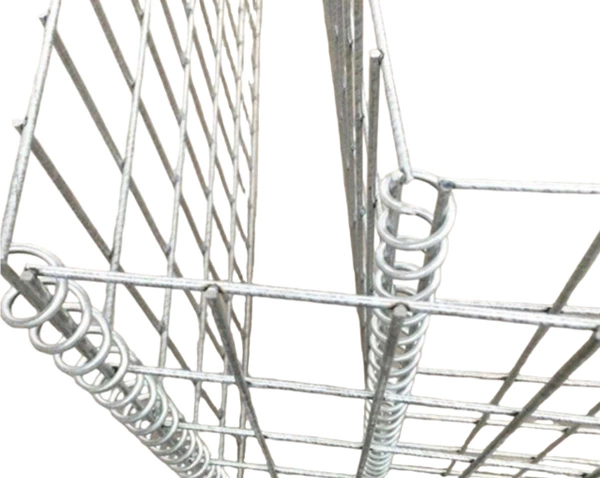
Once the materials have been selected and the site is prepared, the next step is to install the gabion baskets efficiently. One of the key advantages of gabions is their modular design, which allows for easy assembly and customization on-site. To begin, the gabion baskets should be laid out according to the predetermined design, with each basket securely connected to its neighbors using spiral binders or C-rings. This ensures that the structure remains cohesive and stable.
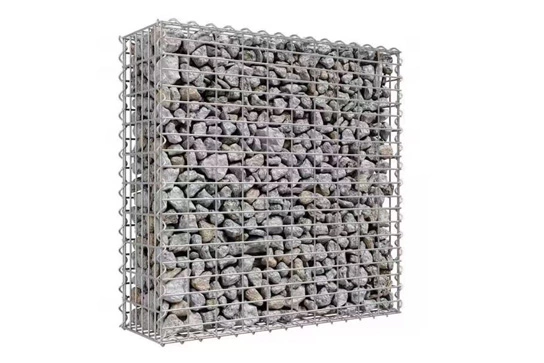
Next, the baskets are filled with suitable material, such as crushed stone, gravel, or river rock. The size and type of fill material should be carefully chosen based on the intended use of the gabion. For example, smaller stones are often used for aesthetic purposes, while larger, angular rocks are better suited for structural support. It's important to ensure that the fill material is evenly distributed within each basket to prevent voids or weak spots. Additionally, the top layer of fill material should be slightly higher than the edges of the basket to allow for settling.
To further enhance the stability of the gabion structure, geotextile fabric can be placed between the layers of fill material. This helps to prevent the migration of fine particles and improves the overall structural integrity. Another technique to consider is the use of anchor rods or stakes, which can be driven into the ground at strategic points to provide additional support. These measures, when combined with proper installation techniques, can significantly reduce the risk of failure and minimize the need for costly repairs in the future.
Maintaining gabion baskets is essential for ensuring their long-term performance and durability. Regular inspections should be conducted to identify any signs of wear, damage, or displacement. Common issues include corrosion of the wire, erosion of the fill material, and deformation of the baskets. If any problems are detected, they should be addressed promptly to prevent further deterioration.
One of the most effective ways to maintain gabion baskets is to keep them clean and free from debris. Over time, leaves, twigs, and other organic matter can accumulate within the baskets, leading to blockages and reduced structural integrity. Regular cleaning, either manually or with the help of a pressure washer, can help to remove these materials and restore the gabions to their original condition. Additionally, applying a protective coating, such as a rust inhibitor, to the wire can help to prevent corrosion and extend the lifespan of the gabion baskets.
In some cases, it may be necessary to perform more extensive maintenance, such as replacing damaged sections of the wire or refilling the baskets with fresh material. This can be done by carefully removing the affected area and replacing it with new, undamaged components. It's important to follow the manufacturer's guidelines and best practices when performing these tasks to ensure that the gabion structure remains safe and functional.
Finally, it's worth noting that the surrounding environment can also impact the longevity of gabion baskets. For example, in areas with high levels of salt or moisture, the risk of corrosion is increased. In such cases, it may be beneficial to implement additional protective measures, such as regular inspections and the use of more durable materials. By taking a proactive approach to maintenance, it is possible to maximize the lifespan of gabion baskets and ensure that they continue to provide reliable and cost-effective solutions for erosion control and other applications.
In conclusion, the cost-effective installation and maintenance of gabion baskets require careful planning, the selection of appropriate materials, and the implementation of efficient techniques. By following the guidelines outlined in this report, engineers and contractors can create robust and durable gabion structures that meet the needs of their projects while minimizing costs and maximizing performance. Whether used for erosion control, retaining walls, or other civil engineering applications, gabions offer a versatile and sustainable solution that can stand the test of time.
Leave a Reply